Columbia Station, OH · Lorain County
Contaminated Water Removal in Columbia Station, OHContaminated Carpet Removal & Sewage Water Cleanup
Contaminated Water Removal in Columbia Station runs from emergency water mitigation and sewage backup water removal to contaminated carpet removal.
Answered 24/7
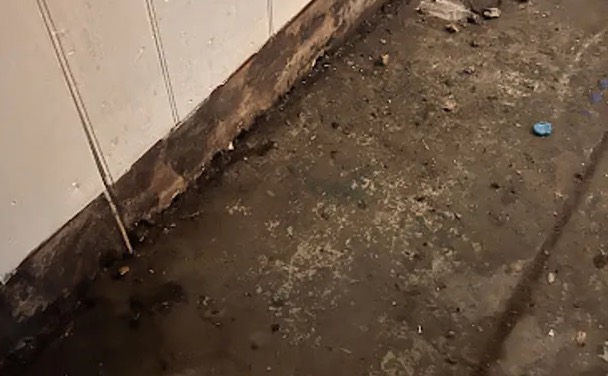
Contaminated Water Removal: Around-the-Clock Help for Columbia Station Properties
A sewer backup in a Columbia Station home usually shows up at the lowest drain first: a floor drain, shower or ground-floor toilet. Several drains backing up at once points to the main line.
Homes and businesses in Columbia Station and nearby Olmsted Falls, Strongsville and Grafton deal with sewer backups, appliance drain leaks and floodwater. Help with contaminated water removal covers containment, extraction, removal and disinfection.
Contaminated Water Removal Services in Columbia Station
Contaminated Carpet Removal
The subfloor under removed carpet is cleaned, disinfected and dried before new flooring goes down.
Sewage Water Cleanup
Contaminated materials are bagged and disposed of according to local rules, and the removed items are listed for insurance.
Toxic Spill Water Removal
Water mixed with household chemicals, fuel or oil is handled with protective gear and removed without spreading it further.
Flooded Basement Cleanup
Basement floods often reach furnaces, water heaters and stored belongings. Items are sorted, and contaminated porous items are discarded.
Emergency Water Mitigation
Help is available any hour, because contaminated water spreads bacteria and odor into more materials the longer it sits.
Warning Signs You Need Contaminated Water Removal in Columbia Station
Chemical Spill on Property
Water mixed with a spilled chemical, fuel or oil needs careful handling and possibly a hazardous materials contractor.
Water From an Unknown Source
Water you cannot trace to a clean supply line should be treated as contaminated until checked.
Chemical Smell Near Standing Water
A chemical or fuel smell near water means something hazardous may be mixed in. Keep clear.
Foul Odors From Standing Water
Standing water with a foul or sewage smell is contaminated and should not be touched without protection.
How Contaminated Water Removal Works in Columbia Station
Step 1: Initial Hazard Assessment
The type of contamination is identified and the right protective gear is chosen.
Step 2: Source Control and Water Extraction
The backup or leak is stopped, and contaminated water is extracted right away.
Step 3: Removal and Disposal
Contaminated materials are removed, bagged and disposed of according to local rules for that kind of waste.
Step 4: Drying and Dehumidification
Clean surfaces are dried with dehumidifiers and air movers until readings are normal.
Frequent Origins of Sewage Backup Water Removal in Columbia Station
Sump Pump Overwhelm or Failure
A sump pump that fails or is overwhelmed lets dirty groundwater rise into the basement.
Industrial or Chemical Spills
Spills of fuel, oil or chemicals can mix with water and spread across floors and soil.
Septic Tank Backups
A full or failing septic system sends wastewater back up through the lowest drains.
Heavy Rainfall and Flooding
Heavy rain and flooding carry soil, chemicals and sewage into buildings through doors and walls.
Property Contaminated Water Removal for All Columbia Station Buildings
Residential Contaminated Water Removal
In homes, contaminated water usually comes from a sewer backup, an overflowing toilet or a flooded basement. The area is contained, cleaned and dried while the family stays out of it.
Commercial Contaminated Water Removal
In businesses, a sewage backup can close restrooms, kitchens or whole floors. Cleanup is contained and planned to reopen safely and quickly.
Hiring Local Pros vs. DIY Contaminated Water Removal in Lorain County
If you smell fuel or chemicals near the water, leave the area and keep it ventilated. Call the fire department if needed, then call local water extraction experts for the water damage.
What Influences Contaminated Water Removal Pricing in Columbia Station
The pros identify the water source and map the affected area before pricing contaminated water removal in Columbia Station, then explain each step.
Contamination Category
Black water costs more to clean up than gray water, since more materials are removed and disinfected.
Required Drying Time
Drying after cleaning can take several days, and each day of equipment adds cost.
Emergency Service Timing
Night, weekend and holiday calls can cost more than a scheduled weekday visit.
Does Insurance Cover Contaminated Water Removal?
Photograph the water, the source and damaged belongings before cleanup starts, and keep receipts for emergency extraction, disposal and any hotel stay.
Advantages of Hiring Local Pros in Columbia Station for Contaminated Water Removal
Odor Control
Removing contaminated materials and disinfecting surfaces deals with odors at their source.
Containment and Sanitization
The area is sealed off and cleaned so contamination stays out of clean rooms.
Moisture Mapping
Meters show where contaminated water spread under flooring, into walls and toward other rooms.
Round-the-Clock Emergency Contaminated Water Removal in Lorain County
Contaminated water spreads bacteria into floors and walls the longer it sits. Call (216) 238-6265 for contaminated water removal in Columbia Station at any hour.
Call Now (216) 238-6265Contaminated Water Removal Near Columbia Station: Areas Served
Nearby areas served for contaminated water removal include Olmsted Falls, Strongsville and Grafton, with the same containment and cleanup steps used in Columbia Station.
- Contaminated Water Removal in Olmsted Falls
- Contaminated Water Removal in Strongsville
- Contaminated Water Removal in Grafton
- Contaminated Water Removal in North Ridgeville
- Contaminated Water Removal in North Olmsted
- Contaminated Water Removal in North Eaton
- Contaminated Water Removal in Brunswick
- Contaminated Water Removal in Brook Park
Contaminated Water Removal in Columbia Station: Your Questions
What are dehumidification services used for after contaminated water?
Drying walls, floors and framing after cleaning, so cleaned surfaces do not stay damp.
What is involved in sewage backup cleanup?
Containing the area, extracting the sewage, removing soaked carpet and drywall, disinfecting surfaces and drying.
How does emergency water mitigation help prevent mold?
Removing contaminated water and materials quickly and drying the structure keeps microbial growth from starting.
How quickly should black water removal begin?
Right away. Black water spreads bacteria and odor into materials the longer it sits, increasing what must be removed.
What happens during the drying phase after cleanup?
Air movers and dehumidifiers dry the cleaned structure, and readings are taken daily until it is normal.