Orange, OH · Cuyahoga County
AC Unit Water Removal in Orange, OHWet AC Unit Component Drying & AC Drain Pan Water Extraction
AC Unit Water Removal in Orange handles AC drain pan water extraction, AC leak water cleanup and AC leak mold prevention before the water spreads.
Answered 24/7
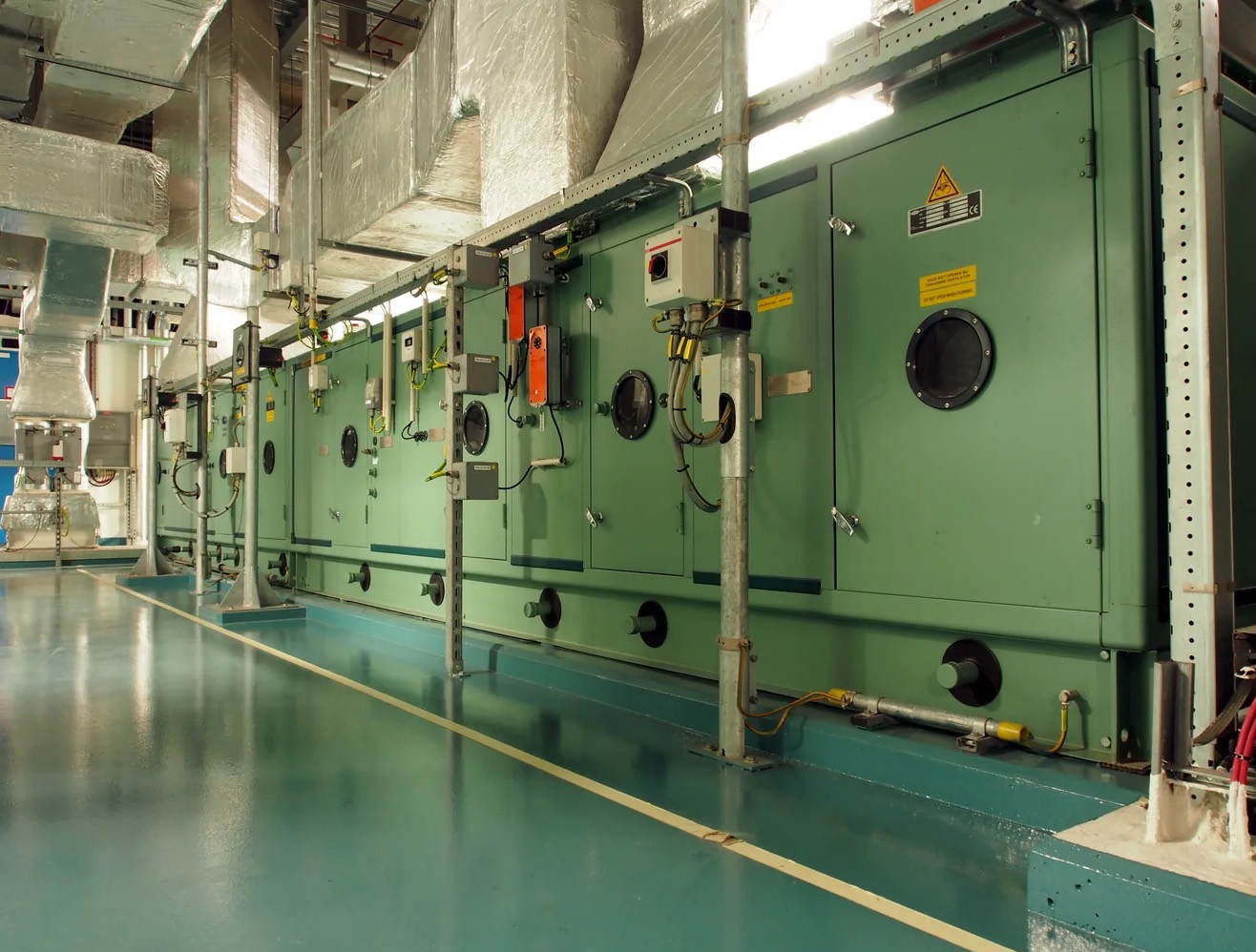
Professional AC Unit Water Removal in Orange, OH
Most AC leaks start small: a drip in the furnace closet or a faint stain under an attic unit. In Orange, the drain pan can fill and overflow for days before anyone notices the damage.
A leaking AC in Orange rarely fixes itself, and the water keeps soaking the same drywall and subfloor until the drain is cleared. Local air conditioner restoration pros serve Orange and nearby Woodmere, Beachwood and Warrensville Heights, with help available around the clock for leaks of any size.
Detailed AC Unit Water Removal Offerings for Orange
Wet AC Unit Component Drying
Air movers and a dehumidifier are set around the unit, and moisture readings are taken until the metal and insulation test dry.
AC Drain Pan Water Extraction
Both the primary pan and the secondary safety pan are emptied, and the pan is inspected for rust holes or cracks.
AC Leak Water Cleanup
Cleanup starts at the drain pan and works outward, removing pooled water and wet debris so drying can begin.
Air Conditioner Restoration Services
Restoration covers the repairs left after a leak: cut-out drywall, stained ceilings, swollen baseboards and soaked insulation.
AC Condensate Drain Clearing
The PVC drain line is cleared with suction or a flush, and the trap is checked so water stops backing up into the pan.
Warning Signs You Need AC Unit Water Removal
Musty Odors From Vents
A musty smell when the AC starts often means standing water in the pan or wet insulation in the ducts.
Visible Mold Near AC
Dark spots on drywall or framing near the unit mean the area has stayed wet for days.
Unusual AC System Noises
Gurgling or dripping sounds from the unit can mean water is backing up in the drain line.
AC Unit Circuit Breaker Trips
Water reaching electrical parts can trip the breaker. Shut the unit off and call before resetting it again.
How AC Unit Water Removal Works in Orange
Step 1: Emergency AC Water Removal
The unit is shut off and standing water is extracted from the drain pan, the floor and any carpet or pad it reached.
Step 2: AC Condensation Line Clearing
The drain line is flushed or vacuumed clear of algae and sludge, so condensate flows outside again.
Step 3: Wet AC Unit Component Drying
Air movers and a dehumidifier dry the cabinet interior and the walls, floor or ceiling around the unit.
Step 4: AC Leak Mold Prevention
Once readings show dry, wood and drywall that stayed wet can be treated with an antimicrobial.
Why AC Units Leak and Need Water Removal
Age and Component Wear
Older units have worn fittings, brittle seals and corroded pans that start leaking together.
Disconnected Drain Line
A drain line knocked loose in the attic or closet empties condensate onto the ceiling or floor.
High Static Pressure in Ducts
Restricted ducts can pull water off the coil and blow it into the cabinet or ductwork.
Clogged AC Condensation Line
Algae and sludge build up in the drain line over a cooling season until water backs up into the pan.
Residential and Commercial AC Unit Water Removal in Orange
Residential AC Unit Water Removal
In a home, an AC leak usually hits a hallway ceiling, a closet floor or the carpet near the air handler. Water removal and drying start there, followed by drywall repair if needed.
Commercial AC Unit Water Removal
In offices and stores, a leaking rooftop or ceiling unit drips onto desks, stock and floors and creates slip hazards. Work can be scheduled around business hours where possible.
The Risks of DIY AC Unit Water Removal in Orange
You can turn off the AC, empty the pan and towel up a puddle yourself. Moisture already inside drywall or subflooring is harder, because it takes meters to find and drying equipment to remove it.
Estimating Your AC Unit Water Removal Cost in Orange
An attic unit that leaked all night costs more to fix than a closet leak caught the same day. In Orange, calling early is the simplest way to keep the bill down.
Emergency Service Timing
After-hours and holiday response can cost more than a scheduled weekday visit.
Preventative Treatment Scope
Antimicrobial treatment is an optional step, priced by the size of the area treated.
Required Drying Time
Dense materials and enclosed spaces take longer to dry, which means more equipment days.
Does Insurance Cover AC Unit Water Removal?
Coverage for AC unit water removal varies from policy to policy. The pros document the damage and the drying, but your insurer decides what is covered and what is not, so ask early in the claim.
The Value of Local Pros for AC Unit Water Removal in Orange
Industry Drying Standards
Drying follows industry water damage standards, with moisture readings at each visit.
24/7 Emergency Response
Help is available any hour, which matters when an attic unit starts leaking into a ceiling at night.
Preventative Microbial Treatment
Optional antimicrobial treatment can be applied to wood and drywall that stayed wet for days.
24/7 Emergency AC Unit Water Removal in Orange
Every hour of standing water means more drying later and more materials to replace. Call (216) 238-6265 for AC unit water removal in Orange as soon as you see the leak.
Call Now (216) 238-6265AC Unit Water Removal Throughout Orange and Beyond
The places below are also served, and each one has its own page.
- AC Unit Water Removal in Woodmere
- AC Unit Water Removal in Beachwood
- AC Unit Water Removal in Warrensville Heights
- AC Unit Water Removal in Pepper Pike
- AC Unit Water Removal in Moreland Hills
- AC Unit Water Removal in Bay Village
- AC Unit Water Removal in Highland Heights
- AC Unit Water Removal in Mayfield Heights
Your AC Unit Water Removal Questions Addressed
How quickly should I deal with an AC leak?
Right away. Water that sits for more than a day or two soaks into drywall and insulation and raises the risk of microbial growth.
What does emergency AC water removal include?
Shutting off the unit, extracting standing water, clearing the drain and starting drying equipment, at any hour.
Why document AC water damage?
Photos and moisture readings show what got wet and how it was dried, which helps your insurance claim.
What equipment is used to dry AC leak damage?
Extractors, air movers, dehumidifiers and moisture meters, plus wet vacs or pumps for the drain line.
Can an AC condensation leak damage the ceiling?
Yes. Attic units leak straight into the drywall below, causing stains, sagging and eventually collapse if left alone.