Walton Hills, OH · Cuyahoga County
Antimicrobial Treatment Services in Walton Hills, OHPost Flood Disinfection Services & Emergency Sewage Sanitization
After a leak, Antimicrobial Treatment Services in Walton Hills cover bathroom mold treatment, kitchen surface disinfection and post flood disinfection services.
Answered 24/7
Local Antimicrobial Treatment Services for Walton Hills Properties
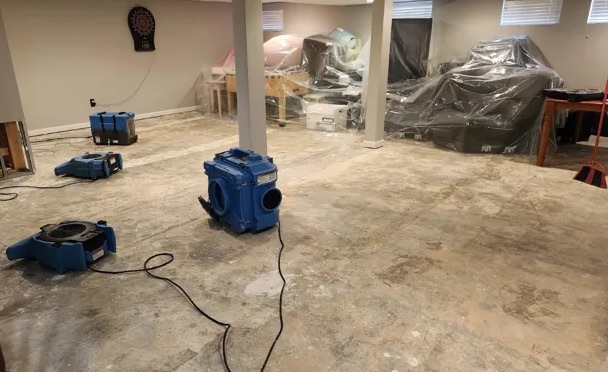
In Walton Hills, antimicrobial treatment is a finishing step after water damage, not a shortcut. It works on clean, dry surfaces and helps slow microbial growth on framing, subfloor and concrete that can be kept.
Property owners in Walton Hills can call (216) 238-6265 to schedule treatment after a leak or flood, or day or night after a sewage backup. Service also covers Northfield, Bedford and Valley View.
Antimicrobial Treatment Services Options for Walton Hills Properties
Post Flood Disinfection Services
Disinfection after a flood covers the lower walls, floors and anything kept from the affected rooms, once the standing water is gone.
Emergency Sewage Sanitization
Sewage and other contaminated water are cleaned up with protective gear, contaminated porous materials are removed, and hard surfaces are disinfected.
Basement Mold Prevention Treatment
Wet drywall and carpet are removed from the basement, the space is dried, and remaining wood and concrete are treated before rebuilding.
HVAC Duct Sanitization
Ducts that pulled in damp, musty air are cleaned before treatment. The source of the moisture, such as a full drain pan, is fixed first.
Crawl Space Antimicrobial Treatment
Wet insulation and debris are removed from the crawl space first, then wood framing is cleaned and coated where moisture sat.
Signs You Need Professional Antimicrobial Treatment
Condensation on Windows or Pipes
Constant condensation on windows or cold pipes means the air is damp, which keeps surfaces wet and slow to dry.
Poor Airflow From HVAC Vents
A musty smell from vents or weak airflow can mean moisture reached the ductwork or air handler.
Wet Materials Left for Days
Drywall, carpet or framing that stayed wet for more than a couple of days is a likely place for microbial growth.
Visible Mold on Surfaces
Dark spots on drywall, wood or grout after a leak mean the surface stayed wet long enough to need cleaning and treatment.
How Antimicrobial Treatment Services Work in Walton Hills
Step 1: Site Evaluation
The pros look at how long materials were wet, the type of water involved and where moisture remains.
Step 2: HEPA Vacuuming and Dry Cleaning
Loose debris and dust are removed with HEPA vacuums before any liquid product is applied.
Step 3: Wet Cleaning With Disinfectant Solutions
Surfaces are scrubbed or wiped with a disinfectant suited to the material and the contamination.
Step 4: Preventative Treatment and Documentation
A final antimicrobial coat is applied where needed, and photos and product details are recorded.
What Leads to Post Water Damage Cleaning in Walton Hills
Poorly Maintained HVAC Systems
A clogged condensate drain or dirty coil can keep the air handler and nearby ductwork wet.
Condensation on Cold Surfaces
Warm, humid air condensing on cold pipes, ducts and windows keeps nearby surfaces wet.
Sewage Backups and Toilet Overflows
Sewage carries bacteria and other contaminants that require disinfection of every surface it touches.
Inadequate Drying After Water Damage
Water damage that was mopped up but never fully dried leaves moisture inside walls and under floors.
Both Residential & Commercial Antimicrobial Treatment Services in Walton Hills
Residential Antimicrobial Treatment Services
In houses, the crawl space and the cabinets under sinks are common hidden spots. They are dried and treated even if the rooms above look fine after a leak.
Commercial Antimicrobial Treatment Services
In larger buildings, ductwork and ceiling cavities can spread odor from one wet area to many rooms. Those spaces are checked and treated as part of the job.
When DIY Fails: Antimicrobial Treatment Services in Walton Hills
You can dry a small leak and clean the surface yourself. Treating framing inside walls, crawl spaces or ductwork needs the source fixed, the material dried and the right product, which is harder to do at home.
Understanding Antimicrobial Treatment Services Expenses in Walton Hills
In Walton Hills, most of the cost comes from cleaning time, removal of soaked materials and the product used. A walk-through sets the scope before work begins.
Access and Containment
Crawl spaces, attics and ductwork take longer to reach and may need containment.
Emergency Service Timing
After-hours response to a sewage backup can cost more than a scheduled visit.
Service Type Complexity
Fogging a whole room costs more than spot treatment of framing after a small leak.
Does Insurance Cover Antimicrobial Treatment Services?
Many homeowner policies cover cleanup after sudden water damage, including disinfection, but limit or exclude problems caused by slow leaks or poor upkeep. Read your policy and ask your adjuster early.
Value of Local Pros for Antimicrobial Treatment Services in Walton Hills
Use of EPA-Registered Agents
Products are EPA-registered and applied according to their label directions, including re-entry times.
Focus on Mold Prevention
Treatment is paired with fixing the moisture source, so mold is less likely to return.
24/7 Emergency Response
Help is available day or night for sewage backups and other contaminated water.
24/7 Antimicrobial Treatment Services Response in Walton Hills, OH
Sewage backup in Walton Hills? Keep everyone out of the area, do not run water in the house and call (216) 238-6265. Help for contaminated water is available 24/7.
Call Now (216) 238-6265Antimicrobial Treatment Services in Walton Hills
The places below are also served, and each one has its own page.
- Antimicrobial Treatment Services in Northfield
- Antimicrobial Treatment Services in Bedford
- Antimicrobial Treatment Services in Valley View
- Antimicrobial Treatment Services in Oakwood
- Antimicrobial Treatment Services in Maple Heights
- Antimicrobial Treatment Services in Bay Village
- Antimicrobial Treatment Services in Highland Heights
- Antimicrobial Treatment Services in Mayfield Heights
Answers to Top Antimicrobial Treatment Services Questions
Can I stay home during antimicrobial treatment?
Usually yes, but keep out of treated rooms until the product dries and the label re-entry time has passed.
Where is crawl space antimicrobial treatment usually needed?
On joists, subfloor and sill plates that got wet from a plumbing leak or seepage, after the space is dried and debris removed.
Is kitchen surface disinfection different from regular cleaning?
Yes. Surfaces that touched dirty water are cleaned and then disinfected with a product suited to food-prep areas.
What is the difference between disinfecting and sanitizing surfaces?
Sanitizing lowers germs on a surface. Disinfecting kills a wider range of germs as listed on the product label. Sewage cleanup calls for disinfection.
Does antimicrobial treatment replace drying?
No. Treatment only works on clean, dry surfaces. Water must be removed and materials dried before any product is applied.