Valley View, OH · Cuyahoga County
Attic Water Damage Restoration in Valley View, OHWet Attic Insulation Removal & Ceiling Water Damage Cleanup
Attic Water Damage Restoration in Valley View runs from roof leak water removal and attic leak water cleanup to attic drying services.
Answered 24/7
Professional Attic Water Damage Restoration in Valley View, OH
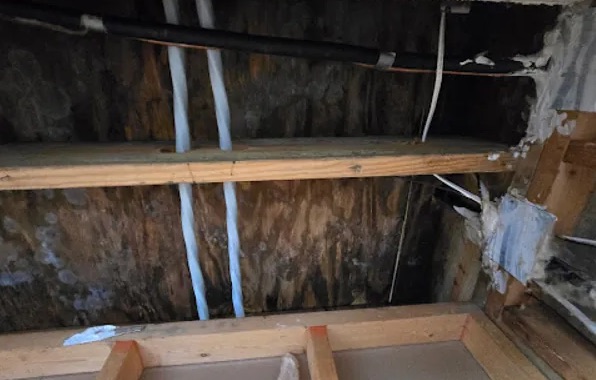
An attic leak that goes on for weeks in Valley View can rot roof decking, rust nails and stain rafters. Fixing the roof stops new water, but the wood already wet needs drying too.
In Valley View, Independence, Garfield Heights and Walton Hills, many attics hold air handlers and water heaters as well as insulation. The pros handle water from any of them, along with roof leaks.
Attic Water Damage Restoration Services in Valley View
Wet Attic Insulation Removal
Wet fiberglass batts lose their insulating value and hold water against the ceiling. Soaked sections are bagged and removed so the area underneath can dry.
Ceiling Water Damage Cleanup
Small ceiling stains can often be dried in place and sealed. Sagging, soft or crumbling drywall is replaced.
Roof Leak Water Removal
A tarp can be placed over the damaged roof section to stop more rain from getting in while drying begins below.
Attic Mold Prevention
Drying wet wood quickly is the main way to limit microbial growth in an attic. Decking and rafters that stayed damp can be treated once dry.
Attic Moisture Inspection
Moisture meters and thermal cameras check decking, rafters, insulation and the ceiling below to find every wet area.
Indicators for Emergency Attic Water Removal
Visible Mold in Attic
Dark spots on roof decking or rafters mean the wood has stayed damp for some time.
High Energy Bills
Wet insulation loses its insulating value, so heating and cooling bills can rise after a leak.
Active Leak During Rain
Water dripping into the attic during rain shows an active roof leak that needs fixing and drying.
Wet or Sagging Insulation
Insulation that looks matted, dark or compressed, or sags between joists, has absorbed water.
How Attic Water Damage Restoration Works in Valley View
Step 1: Initial Assessment and Water Removal
The pros find the source, check safety in the attic and remove standing water and wet debris.
Step 2: Wet Attic Insulation Removal
Soaked batts or blown-in insulation are bagged and removed so the wood and drywall can dry.
Step 3: Targeted Attic Drying Process
Drying equipment is aimed at the wet framing and ceiling, and moved as areas reach normal readings.
Step 4: Sanitization and Mold Prevention
Once dry, decking and rafters that stayed wet can be cleaned and treated with an antimicrobial.
What Causes Attic Water Damage in Valley View?
Attic Appliance Leaks
AC air handlers in the attic overflow when the condensate line clogs or the pan cracks.
Clogged or Damaged Gutters
Clogged gutters overflow at the roof edge, pushing water under shingles and into the soffits.
Overflow From Bathroom Exhaust Fans
Bathroom fans that vent into the attic, or have disconnected ducts, release moisture onto the decking.
Burst or Leaking Plumbing Pipes
Supply lines and water heaters in the attic can leak or burst directly onto the ceiling.
Attic Water Damage Restoration for All Property Types in Valley View
Residential Attic Water Damage Restoration
Homeowners often store boxes and holiday items in the attic. Wet belongings are moved out and dried or discarded before work on the insulation and framing starts.
Commercial Attic Water Damage Restoration
Offices and stores with roof leaks need the area below protected during work. Drying is planned around business hours where possible to keep the space open.
Professional Attic Water Damage Restoration or DIY Repair?
Fans in the room below will not dry an attic. The wood and insulation above need dehumidifiers and air movers placed in the attic, with readings to confirm they are dry.
Understanding Attic Water Damage Restoration Pricing
The cost of attic water damage restoration in Valley View depends on how much of the attic got wet, whether insulation and ceiling drywall must come out, and how long drying takes.
Duration Before Response
A leak found right away costs less to fix than one that soaked the attic for weeks.
Mold Prevention Measures
Antimicrobial treatment of decking and rafters that stayed wet is an added cost.
Ceiling Repair Needs
Replacing, taping and painting ceiling drywall after drying adds to the total.
Does Insurance Cover Attic Water Damage Restoration?
Many homeowner policies cover sudden roof leaks from storms and burst attic pipes, but not damage from worn-out roofing or slow leaks. Read your policy and call your insurer early.
Advantages of Hiring Local Pros for Attic Water Damage Restoration
Industry Drying Standards
Drying follows industry water damage standards, with readings taken at each visit.
Detailed Documentation
Photos, readings and drying logs are kept to support your insurance claim.
Full Attic Assessment
The whole attic is checked, from the roof deck to the ceiling below, not just the leak spot.
24/7 Attic Water Damage Restoration Response for Valley View
If water is coming through a light fixture, turn off that circuit at the panel and keep clear. Then call (216) 238-6265 for help in Valley View.
Call Now (216) 238-6265Attic Water Damage Restoration Throughout Cuyahoga County
The places below are also served, and each one has its own page.
- Attic Water Damage Restoration in Independence
- Attic Water Damage Restoration in Garfield Heights
- Attic Water Damage Restoration in Walton Hills
- Attic Water Damage Restoration in Maple Heights
- Attic Water Damage Restoration in Bedford
- Attic Water Damage Restoration in Brook Park
- Attic Water Damage Restoration in Fairview Park
- Attic Water Damage Restoration in South Euclid
Attic Water Damage Restoration FAQs
How is attic water damage documented?
With photos of the leak point and damage, moisture readings, a list of removed materials and daily drying logs.
What are common signs of poor attic ventilation?
Damp or dark roof decking, rusted nails, musty smells and condensation on the underside of the roof.
What is involved in emergency attic water extraction?
Catching active drips, removing pooled water from decking and drywall tops, and starting drying before the ceiling below is ruined.
Does a roof leak always cause attic mold growth?
No. Mold is more likely when wood and insulation stay wet for days, so drying is the main way to prevent it.
What equipment is used for attic water removal?
Wet vacs, air movers, dehumidifiers, moisture meters and thermal cameras, plus bags and HEPA vacuums for insulation removal.