Richmond Heights, OH · Cuyahoga County
Attic Water Removal in Richmond Heights, OHRoof Leak Water Removal & Attic Mold Prevention
Attic Water Removal in Richmond Heights runs from roof leak water removal and wet attic insulation removal to ceiling water damage cleanup.
Answered 24/7
Reliable Attic Water Removal Near Richmond Heights
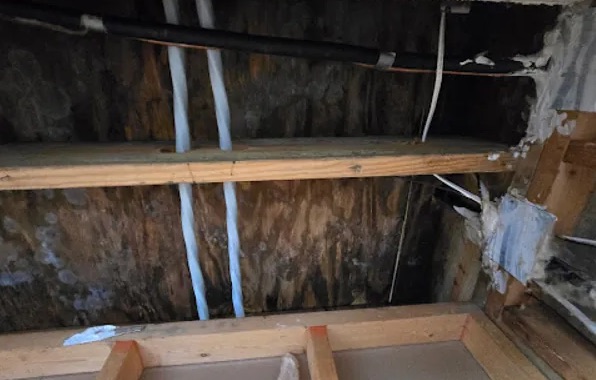
Attic leaks that run for a long time in Richmond Heights can rot roof decking and rust fasteners. Even after the roof is fixed, that wood stays wet unless it is dried.
In Richmond Heights, attic water calls often start with a ceiling stain after heavy rain or a dripping AC drain. Local attic water removal pros serve Richmond Heights, Highland Heights, South Euclid and Lyndhurst, removing water and wet insulation and drying the attic.
Attic Water Removal Services in Richmond Heights
Roof Leak Water Removal
A temporary tarp over the damaged section keeps more rain out until the roofer can make a permanent repair.
Attic Mold Prevention
After drying, wood that was wet for more than a day or two can be treated with an antimicrobial to slow microbial growth.
Attic Moisture Inspection
Moisture meters and thermal cameras check rafters, decking, insulation and the ceiling below, even in spots that look dry.
Attic Drying Services
Drying continues until rafters, decking and ceiling drywall reach normal moisture readings, which is often several days.
Ceiling Water Damage Cleanup
A water-stained ceiling below the attic is checked with a meter. Firm, lightly damp drywall can dry in place, while soft or sagging drywall comes down.
Warning Signs You Need Attic Water Removal
Puddles or Standing Water in Attic
Pooled water on the attic floor or on top of drywall needs removal right away.
Sagging or Bubbling Ceiling Drywall
Ceiling drywall that sags, bulges or bubbles at the seams is holding water and may fall.
Musty Odors in Your Home
A musty smell upstairs or at the attic hatch often points to wet insulation or damp wood above.
Wet or Damp Attic Insulation
Insulation that feels damp, looks dark or has packed down in one area has absorbed water.
How Attic Water Removal Works in Richmond Heights
Step 1: Initial Attic Water Damage Assessment
The pros check safety, find the source and map the wet area with moisture meters.
Step 2: Bulk Water and Material Removal
Pooled water, soaked insulation and any sagging drywall are removed from the attic and ceiling.
Step 3: Attic Drying and Evaporation
Warm, dry airflow is aimed at wet wood, with dehumidifiers removing the moisture it releases.
Step 4: Attic Mold Prevention
Once dry, decking and framing that stayed wet can be cleaned and treated with an antimicrobial.
Why Attics Develop Water Damage
Roof Leaks From Damaged Shingles
Cracked, missing or lifted shingles let rain reach the decking and drip into the attic.
HVAC System Leaks or Drain Pan Overflow
An attic air handler overflows when its condensate line clogs or the drain pan cracks.
Burst or Leaking Plumbing Pipes
Supply lines and drain pipes in the attic can crack or burst onto the ceiling.
Clogged or Disconnected Gutters
Clogged or loose gutters let water back up under the roof edge and into the soffits.
Residential and Commercial Attic Water Removal in Richmond Heights
Residential Attic Water Removal
In houses, attic water usually reaches a bedroom or hallway ceiling. Water and wet insulation are removed from above, and the ceiling below is dried or replaced.
Commercial Attic Water Removal
In commercial buildings, water above a drop ceiling soaks tiles and insulation over several rooms. Wet tiles are removed and the plenum space above is dried.
The Risks of DIY Attic Water Removal in Richmond Heights
If you can do it safely, look into the attic with a flashlight to find the wet area. Removing soaked insulation and drying the framing needs boards, protective gear and equipment.
What Affects Attic Water Removal Cost in Richmond Heights
An attic leak handled the same day in Richmond Heights usually costs less than one left until the ceiling sags and has to be torn out.
Access and Attic Complexity
Low headroom and small access hatches make attic work slower than open spaces.
Mold Prevention Measures
Antimicrobial treatment of wood that stayed wet is an added step, priced by area.
Secondary Damage Repairs
Ceiling drywall replacement and paint in the room below add to the total.
Does Insurance Cover Attic Water Removal?
Many homeowner policies cover sudden attic leaks from storms or burst pipes, but not damage from worn roofing or slow leaks. Read your policy and call your insurer early.
The Value of Local Attic Water Removal Experts
Industry Drying Standards
Drying follows industry water damage standards, with moisture readings taken at every visit.
Dehumidification Equipment
Dehumidifiers sized for the attic remove moisture much faster than roof vents and open hatches alone.
Source Identification
The pros trace the water to its source and note it for the roofer or plumber.
24/7 Attic Water Removal Response in Richmond Heights
Night, weekend or holiday, the pros handle attic water in Richmond Heights. Call (216) 238-6265 to get the water out and the ceiling protected.
Call Now (216) 238-6265Nearby Towns for Attic Water Removal from Richmond Heights
Besides Richmond Heights, the pros remove attic water, wet insulation and soaked ceiling drywall in nearby Highland Heights, South Euclid and Lyndhurst.
Common Attic Water Removal Queries Answered
Is attic flood cleanup different from a small leak?
The steps are the same, but a flooded attic needs more extraction, more insulation removal and usually ceiling replacement.
What causes attic water damage?
Roof leaks, plumbing failures, attic AC overflows, water heater leaks, loose bath fan ducts and poor ventilation.
What is involved in attic water removal?
Stopping the source, removing pooled water, bagging wet insulation, drying the framing and decking, and checking the ceiling below.
What equipment is used for attic water extraction?
Wet vacs, pumps, air movers, dehumidifiers, moisture meters and thermal cameras, plus vacuums for wet insulation.
Will attic water damage cause mold?
It can if wood and insulation stay wet for days. Fast removal and drying are the main ways to prevent mold.