Woodmere, OH · Cuyahoga County
Attic Water Removal in Woodmere, OHAttic Moisture Inspection & Attic Mold Prevention
Attic Water Removal in Woodmere runs from roof leak water removal and wet attic insulation removal to ceiling water damage cleanup.
Answered 24/7
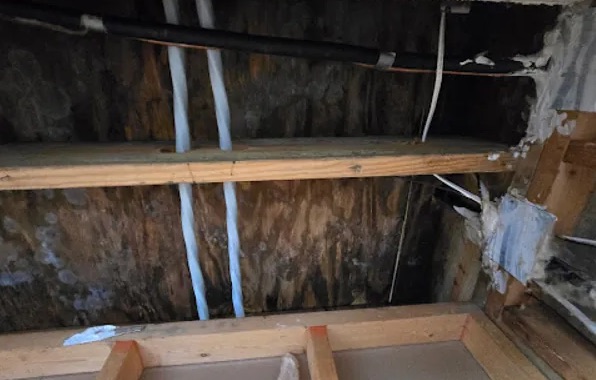
Expert Attic Water Removal for Woodmere
An attic leak is easy to miss and expensive to ignore. In Woodmere, water from a roof, pipe or AC pan can soak insulation and decking for weeks, then show up all at once as a stained or sagging ceiling.
A heavy storm in Woodmere can push water into an attic overnight. Local attic drying specialists serve Woodmere and nearby Orange, Pepper Pike and Beachwood, with help available around the clock.
Detailed Attic Water Removal Solutions
Attic Moisture Inspection
The inspection shows the full spread of the leak, so every wet area is either dried or removed.
Attic Mold Prevention
Fast drying is the main protection. Antimicrobial treatment is added only where framing and decking stayed wet long enough to need it.
Ceiling Water Damage Cleanup
A water-stained ceiling below the attic is checked with a meter. Firm, lightly damp drywall can dry in place, while soft or sagging drywall comes down.
Wet Attic Insulation Removal
Only the wet sections come out. The edges of the wet area are checked with a meter so dry insulation is not removed by mistake.
Roof Leak Water Removal
The entry point is photographed and marked, which helps both the roofer and your insurance adjuster.
When to Consider Attic Water Removal in Woodmere
High Utility Bills Unexpectedly
Wet insulation loses its insulating value, so energy bills can rise after an attic leak.
Peeling Paint on Ceilings or Walls
Paint that peels or blisters on upstairs ceilings and walls often has water behind it.
Puddles or Standing Water in Attic
Pooled water on the attic floor or on top of drywall needs removal right away.
Rotting Wood on Attic Beams
Soft, dark or crumbling wood on rafters and beams points to long-term moisture.
How Attic Water Removal Works in Woodmere
Step 1: Attic Flood Cleanup Response
Active drips are contained with buckets and plastic, and the room below is protected.
Step 2: Targeted Attic Moisture Removal
Water is vacuumed from between joists and on top of drywall, starting where it is deepest.
Step 3: Attic Dehumidification
Dehumidifiers pull moisture from the attic air while air movers dry the wet framing.
Step 4: Documentation for Restoration
Photos and moisture readings are compiled to show what was removed and when the attic dried.
Why Attics Develop Water Damage
Flashing Failures Around Roof Penetrations
Failed flashing around vents, chimneys and skylights lets rain run into the attic.
Clogged or Disconnected Gutters
Clogged or loose gutters let water back up under the roof edge and into the soffits.
Burst or Leaking Plumbing Pipes
Supply lines and drain pipes in the attic can crack or burst onto the ceiling.
HVAC System Leaks or Drain Pan Overflow
An attic air handler overflows when its condensate line clogs or the drain pan cracks.
Home and Business Attic Water Removal Solutions
Residential Attic Water Removal
In houses, attic water usually reaches a bedroom or hallway ceiling. Water and wet insulation are removed from above, and the ceiling below is dried or replaced.
Commercial Attic Water Removal
In commercial buildings, water above a drop ceiling soaks tiles and insulation over several rooms. Wet tiles are removed and the plenum space above is dried.
The Risks of DIY Attic Water Removal in Woodmere
Catching drips with a bucket and moving furniture out of the way is a smart first step. Call local attic drying specialists if water is pooling in the attic, the ceiling is stained or sagging, or insulation is wet.
What Affects Attic Water Removal Cost in Woodmere
Roof or plumbing repair is billed separately from water removal and drying. In Woodmere, both are needed after most attic leaks.
Secondary Damage Repairs
Ceiling drywall replacement and paint in the room below add to the total.
Mold Prevention Measures
Antimicrobial treatment of wood that stayed wet is an added step, priced by area.
Access and Attic Complexity
Low headroom and small access hatches make attic work slower than open spaces.
Does Insurance Cover Attic Water Removal?
Photograph the attic, the ceiling and any roof damage before cleanup, and keep receipts for tarping and emergency water removal.
Benefits of Local Pros for Attic Water Removal
Industry Drying Standards
Drying follows industry water damage standards, with moisture readings taken at every visit.
Post-Cleanup Verification
Final readings confirm the attic is dry before new insulation goes in.
Dehumidification Equipment
Dehumidifiers sized for the attic remove moisture much faster than roof vents and open hatches alone.
Round-the-Clock Attic Water Removal for Woodmere
Water in an attic reaches the ceiling below fast. Call (216) 238-6265 for attic water removal in Woodmere at any hour, including storms and holidays.
Call Now (216) 238-6265Attic Water Removal Near Woodmere: Areas Served
Help with attic water removal is also available in communities near Woodmere, including Orange, Pepper Pike and Beachwood, for roof leaks and attic plumbing failures.
- Attic Water Removal in Orange
- Attic Water Removal in Pepper Pike
- Attic Water Removal in Beachwood
- Attic Water Removal in Warrensville Heights
- Attic Water Removal in Moreland Hills
- Attic Water Removal in Shaker Heights
- Attic Water Removal in University Heights
- Attic Water Removal in Cleveland Heights
Common Attic Water Removal Queries Answered
Why is emergency attic drying important?
Wet wood and drywall break down quickly. Drying fast saves more of the ceiling and lowers the risk of microbial growth.
What is involved in attic water removal?
Stopping the source, removing pooled water, bagging wet insulation, drying the framing and decking, and checking the ceiling below.
What equipment is used for attic water extraction?
Wet vacs, pumps, air movers, dehumidifiers, moisture meters and thermal cameras, plus vacuums for wet insulation.
Do I need ceiling water damage cleanup too?
Usually. Water in the attic soaks the ceiling below, which needs to be checked and dried or replaced.
How do professionals dry an attic?
With air movers and dehumidifiers placed on boards across the joists, checking moisture readings daily until the wood is dry.