Columbia Station, OH · Lorain County
Emergency Water Extraction in Columbia Station, OHBurst Pipe Water Extraction & Flooded Basement Water Removal
Emergency Water Extraction in Columbia Station runs from standing water removal and emergency flood water extraction to wet drywall water removal.
Answered 24/7
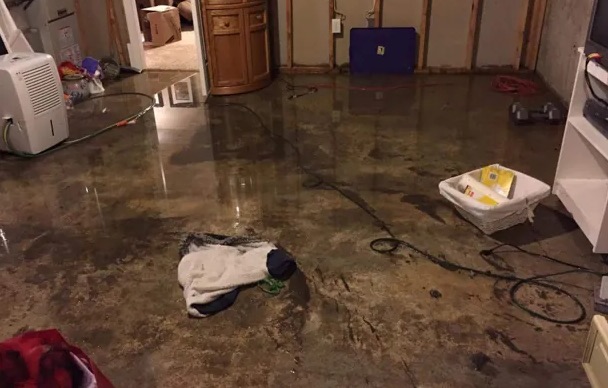
Emergency Water Extraction Response in Columbia Station, Ohio
Water damage grows by the hour. In Columbia Station, standing water that is pumped out right away usually means drying and keeping carpet and drywall. The same water left overnight often means tearing them out.
A burst pipe in Columbia Station can flood several rooms quickly. Local water damage pros serve Columbia Station and nearby Olmsted Falls, Strongsville and Grafton, with extraction available around the clock.
Emergency Water Extraction and Damage Mitigation in Columbia Station
Burst Pipe Water Extraction
Burst pipes release a lot of water fast. Extraction and drying start as soon as the pipe is shut off, before it soaks into more materials.
Flooded Basement Water Removal
Lower levels dry slowly, so drying continues until the slab and walls read normal before any repairs begin.
Emergency Water Damage Cleanup
Wet rugs, boxes and debris are cleared, and surfaces touched by dirty water are cleaned before drying starts.
Standing Water Removal
Standing water spreads under walls and into the next room. Extraction follows it until every wet floor is cleared.
Emergency Flood Water Extraction
Floodwater from outside is treated as contaminated, so extraction is followed by removal of soaked porous materials and cleaning.
Warning Signs You Need Emergency Water Extraction
Wet Insulation in Attics
Insulation in the attic that is wet or matted points to a roof leak or attic plumbing failure.
Soggy or Wet Carpeting
Carpet that squishes or feels cold and wet underfoot is holding water in the pad below.
Swollen Doors or Cabinets
Doors that stick or cabinets that swell near a leak have soaked up water.
High Indoor Humidity Levels
A room that feels humid and clammy after a leak still has wet materials releasing moisture.
How Emergency Water Extraction Works in Columbia Station
Step 1: On-Scene Water Damage Analysis
The pros identify whether the water is clean, gray or sewage, which decides how it is removed.
Step 2: High-Volume Flood Water Extraction
Large pumps and extractors move floodwater out quickly, and contaminated materials are removed.
Step 3: Focused Wet Carpet Drying
Carpet is extracted again or lifted, and the pad and subfloor are dried or replaced.
Step 4: Post-Extraction Documentation
Readings are logged daily until every area is dry, then a final record is provided.
Typical Reasons for Emergency Water Extraction in Columbia Station
Fire Suppression System Activation
Damaged or triggered fire sprinkler heads can soak a room or a whole floor quickly.
Burst or Leaking Pipes
Pipes can crack or burst from age, pressure or cold weather, releasing water fast.
Appliance Malfunctions and Overflows
Washers, dishwashers, water heaters and refrigerator lines fail and flood the floor around them.
HVAC System Condensation Issues
Clogged AC condensate lines overflow into closets, attics and the ceilings of rooms below.
Emergency Water Extraction for Homes and Businesses in Columbia Station
Residential Emergency Water Extraction
In two-story homes, water from an upstairs leak can reach the ceiling and rooms below. Both levels are extracted and dried.
Commercial Emergency Water Extraction
Commercial buildings with sprinkler discharges may have water on several floors. Each floor is extracted in order, starting with the wettest.
Emergency Water Extraction vs. DIY: When to Call the Pros
Do not walk into standing water if outlets, cords or appliances are submerged. Shut off power at the panel only if you can reach it from a dry spot, then call (216) 238-6265.
Cost Considerations for Emergency Water Extraction in Columbia Station
The pros check the source and the wet area before pricing emergency water extraction in Columbia Station, then explain what will be extracted, removed and dried.
Necessary Demolition Work
Carpet pad, drywall and flooring that must be removed add labor and disposal costs.
Time of Service Call
Night, weekend and holiday calls can cost more than a scheduled weekday visit.
Water Source and Type
Clean water costs less to extract and dry than sewage or floodwater, which needs disinfection.
Does Insurance Cover Emergency Water Extraction?
Many homeowner policies cover sudden water damage, like a burst pipe, but exclude outside flooding and sometimes sewer backups. Check your policy and call your insurer early.
The Value of Local Emergency Water Extraction Experts in Columbia Station
Clear Communication
You get plain updates on what was extracted, what was removed and how drying is going.
Industry Drying Standards
Extraction and drying follow industry water damage standards, with readings at every visit.
24/7 Emergency Response
Help is available day or night, because water emergencies get worse every hour.
Emergency Water Extraction Response for Columbia Station
Every hour water sits, more carpet, drywall and flooring are lost. Call (216) 238-6265 for emergency water extraction in Columbia Station at any hour, including holidays.
Call Now (216) 238-6265Emergency Water Extraction for Columbia Station and Surrounding Communities
Help with emergency water extraction is also available in communities near Columbia Station, including Olmsted Falls, Strongsville and Grafton, for floods, burst pipes and sewage backups.
- Emergency Water Extraction in Olmsted Falls
- Emergency Water Extraction in Strongsville
- Emergency Water Extraction in Grafton
- Emergency Water Extraction in North Ridgeville
- Emergency Water Extraction in North Olmsted
- Emergency Water Extraction in North Eaton
- Emergency Water Extraction in Brunswick
- Emergency Water Extraction in Brook Park
Your Emergency Water Extraction Questions for Columbia Station, OH
How do water damage pros document damage for insurance?
With photos of the water and damage, moisture readings, a list of removed materials and daily drying logs.
How should flood water extraction begin?
As soon as the source is stopped and power is safe. Water soaks deeper into materials every hour it sits.
What is moisture inspection and why is it needed?
Checking walls, floors and ceilings with meters and thermal cameras to find water that is not visible after extraction.
What happens after the water is extracted?
Moisture readings show what is still wet, materials that cannot be saved are removed and drying equipment runs for several days.
What follows the initial emergency water extraction?
Structural drying with air movers and dehumidifiers, daily readings and repairs once the building is dry.