Columbia Station, OH · Lorain County
Hydrostatic Pressure Water Removal in Columbia Station, OHStructural Drying After Intrusion & Slab Seepage Water Removal
Hydrostatic Pressure Water Removal in Columbia Station covers groundwater intrusion mitigation, wet subfloor removal and crawl space water extraction.
Answered 24/7
Local Pros for Hydrostatic Pressure Water Removal in Columbia Station
Water that keeps coming up through a slab damages flooring and keeps the lower level damp. Removing it is the water side of the job, and a structural check is a separate step for a contractor.
In Columbia Station and nearby Olmsted Falls, Strongsville and Grafton, soaked soil can push water into basements and crawl spaces. Local hydrostatic pressure experts extract the water and dry the structure.
Specialized Hydrostatic Pressure Water Removal for Columbia Station
Structural Drying After Intrusion
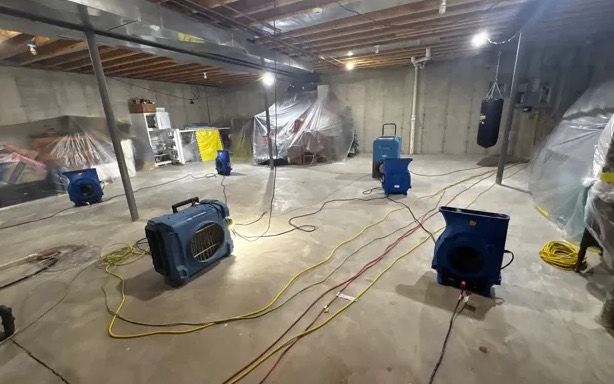
After water is pushed inside, air movers and dehumidifiers dry the wood, concrete and drywall it reached so rot and mold do not start.
Slab Seepage Water Removal
Groundwater pushed up through a concrete slab can leave damp spots or a thin sheet of water. It is extracted and the slab and flooring are dried.
Crawl Space Water Extraction
Pumps and extractors made for tight spaces remove water from the crawl space before any drying, encapsulation or other work can start.
Wet Subfloor Removal
Subfloor that stayed soaked after a groundwater flood may have to be removed. The water is extracted, the damaged sections cut out and the area dried for new material.
Basement Hydrostatic Pressure Flooding
The process involves extracting standing water, assessing the foundation for entry points, and beginning the structural drying process to stabilize the environment.
Symptoms That Require Hydrostatic Pressure Water Removal
Warped or Buckling Flooring
Flooring that warps or buckles near walls can mean water is coming up from below and the subfloor is wet.
Efflorescence on Concrete Surfaces
White, chalky deposits on foundation walls or the slab show water has been pushing through the concrete.
Sump Pump Running Constantly
A sump pump that runs nonstop means a lot of groundwater is coming in around the foundation.
High Indoor Humidity Levels
High humidity in lower levels that does not go away can mean water is seeping through the foundation.
How Hydrostatic Pressure Water Removal Works in Columbia Station
Step 1: Initial Pressure Evaluation
The pros look at where the water came in and how wet the soil-side walls and floor are.
Step 2: Sub-Slab Water Removal
Using specialized extraction tools, pros remove water trapped beneath concrete slabs and flooring.
Step 3: Targeted Structural Drying
Drying equipment is aimed at framing, joists and sill plates so the structure dries all the way through.
Step 4: Documentation for Insurance
Moisture readings, photos and notes on the work are put together for your insurance claim.
What Causes Hydrostatic Pressure Water Damage
Failed or Missing Waterproofing
Worn exterior coatings or membranes let groundwater reach the foundation wall directly.
Foundation Settlement and Cracks
As a foundation settles, cracks form and give groundwater a direct path inside.
Poor Exterior Drainage Systems
Clogged gutters, downspouts and poor grading send water toward the foundation, where it builds pressure in the soil.
Sump Pump Malfunction or Failure
A sump pump that fails cannot remove groundwater, so it builds up and floods the lower level.
Hydrostatic Pressure Water Removal for All Property Types
Residential Hydrostatic Pressure Water Removal
Persistent basement flooding from hydrostatic pressure can ruin furnaces, water heaters and stored items. Local structural drying professionals dry the structure fully to prevent further damage.
Commercial Hydrostatic Pressure Water Removal
In multi-tenant buildings, groundwater cleanup has to be planned around other businesses. The pros coordinate access and drying to limit disruption.
Why Hydrostatic Pressure Water Removal Requires Local Pros in Columbia Station
If a plumbing leak may be adding to the water, shut off the main valve. Finding where groundwater enters and drying the structure takes meters and drying equipment.
Factors Affecting Hydrostatic Pressure Water Removal Pricing in Columbia Station
The cost of hydrostatic pressure water removal in Columbia Station depends on how much of the lower level flooded and how much water came in.
Structural Complexity
Tight crawl spaces and complex foundations make water removal and drying slower.
Material Saturation Level
Deeply soaked subflooring or wet foundation walls need more extraction and dehumidification.
Intrusion Severity
How deep the water is and how much keeps coming in decide how long extraction takes.
Does Insurance Cover Hydrostatic Pressure Water Removal?
Groundwater cleanup may be covered if the event was sudden and accidental under your policy. The pros gather photos and readings for your insurer, who decides coverage.
The Value of Local Pros for Hydrostatic Pressure Water Removal
Methodical Cleanup Process
Each step, from extraction to final readings, is done in order so nothing is left wet.
Focused Mitigation Planning
You get notes on where water came in, so you can plan drainage work with a contractor.
Detailed Documentation
Photos and moisture logs of the work are kept to support your insurance claim.
Urgent Hydrostatic Pressure Water Removal for Columbia Station Homes
If water is coming into your basement now, call (216) 238-6265 day or night. The experts in Columbia Station can start extraction to limit the damage.
Call Now (216) 238-6265Hydrostatic Pressure Water Removal for Columbia Station and Nearby Communities
Foundation water removal and structural drying are available in Columbia Station and nearby Olmsted Falls, Strongsville and Grafton.
- Hydrostatic Pressure Water Removal in Olmsted Falls
- Hydrostatic Pressure Water Removal in Strongsville
- Hydrostatic Pressure Water Removal in Grafton
- Hydrostatic Pressure Water Removal in North Ridgeville
- Hydrostatic Pressure Water Removal in North Olmsted
- Hydrostatic Pressure Water Removal in North Eaton
- Hydrostatic Pressure Water Removal in Brunswick
- Hydrostatic Pressure Water Removal in Brook Park
Hydrostatic Pressure Water Removal FAQs
What causes foundation crack water infiltration?
Usually water pressure from soaked soil, or settlement cracks that give groundwater a path into the building.
Can crawl space water extraction prevent mold?
Removing the water quickly and drying the crawl space fully takes away the moisture mold needs, which keeps it from starting.
What are signs of soil pressure water intrusion?
Water seeping where the floor meets the wall, damp foundation walls and ongoing moisture in a crawl space.
What does groundwater intrusion mitigation involve?
Removing the water, drying the structure and then, often, drainage or waterproofing work outside by a contractor.
How is hydrostatic pressure measured during flooding?
It is not measured directly. The depth of water and how fast it comes in show how much pressure the soil is putting on the foundation.