Richmond Heights, OH · Cuyahoga County
Industrial Dehumidification in Richmond Heights, OHStructural Drying Services & Mold Remediation Services
Industrial Dehumidification in Richmond Heights handles disaster recovery drying, industrial humidity reduction systems and emergency water removal.
Answered 24/7
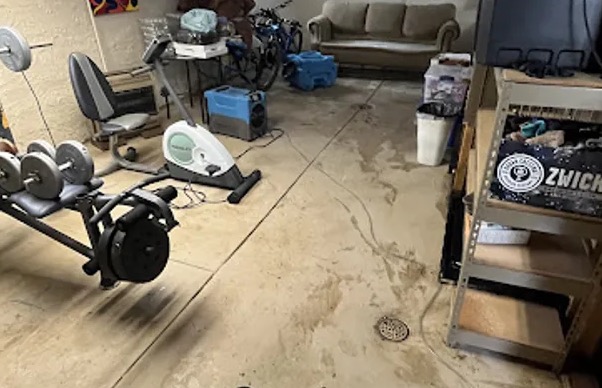
Expert Industrial Dehumidification in Richmond Heights, OH
Mold is a frequent consequence of untreated moisture in warehouses, manufacturing facilities, and other large commercial spaces. It poses health risks to occupants and can damage stored products, inventory, and essential building systems over time.
Industrial dehumidification is a priority for large facilities in Richmond Heights and nearby areas like Highland Heights, South Euclid and Lyndhurst. Whether dealing with a burst pipe or ongoing humidity issues, local water damage pros apply commercial dehumidification techniques.
Industrial Flood Damage Restoration in Richmond Heights
Structural Drying Services
Water damage restoration pros in Richmond Heights dry the framing, walls and slabs of a wet building, including the hidden moisture that causes slow decay.
Mold Remediation Services
Mold remediation begins with controlling the humidity that fuels it. Local pros in Richmond Heights utilize industrial dehumidification to dry wall cavities and flooring.
Emergency Water Removal
After a flood, standing water has to come out first. Pumps and extractors remove it so drying can begin.
Disaster Recovery Drying
Recovering from a widespread water event requires professional drying resources. Industrial dehumidification units run continuously to remove the immense volume of moisture introduced.
Industrial Humidity Reduction Systems
Some buildings stay humid long after a leak. Dehumidifiers can be left running to hold humidity at a set level until the building is stable.
When to Call for Industrial Dehumidification in Richmond Heights
Condensation on Pipes
Sweating pipes and ducts drip water and raise the humidity in the space even further.
Visible Mold
Black, green or white spots on walls or contents mean humidity has been high for too long.
Recent Flood or Spill
A burst pipe or overflow that soaks a commercial space needs cleanup and drying right away.
Equipment Rust or Corrosion
New rust on machinery or metal stock can come from damp air in the building.
How Industrial Dehumidification Works in Richmond Heights
Step 1: Site Assessment and Inspection
An inspection finds the water sources, the wet materials and how much cleanup is needed.
Step 2: Containment and Water Removal
Containment is set up if needed, then industrial extractors remove the bulk water.
Step 3: Deploy Drying Equipment
Desiccant and refrigerant dehumidifiers and air movers are placed to dry the building.
Step 4: Continuous Monitoring and Adjustment
Equipment runs around the clock, and humidity is checked so the setup can be adjusted as areas dry.
Sources of Moisture in Industrial and Commercial Buildings
Process Water or Chemical Spills
Industrial processes that use liquids carry a constant risk of accidental spills and releases.
Foundation Cracks and Seepage
Groundwater pushed up through cracks in slabs and walls keeps lower areas damp.
Natural Disasters and Severe Weather
Flash floods, torrential rain and other extreme events can soak large buildings and need large-scale drying.
HVAC System Condensation Issues
Cooling systems that are poorly maintained or oversized can produce a lot of condensation and raise humidity.
Industrial Dehumidification for Homes and Businesses in Richmond Heights
Residential Industrial Dehumidification
In homes, a slow roof leak can soak attic insulation and lead to mold. The pros in Richmond Heights dry the attic once the roof is repaired and clean up the wet areas.
Commercial Industrial Dehumidification
Data centers, labs and archives need steady humidity. After water damage, temporary dehumidification protects equipment and records until conditions are stable.
Industrial Dehumidification vs. DIY: When to Call the Pros
For a small spill of clean water, a mop or wet vacuum is fine. If water has soaked into drywall, flooring or subfloor, call (216) 238-6265 so it can be dried before it rots or grows mold.
Understanding Industrial Dehumidification Costs in Richmond Heights
The cost of temporary dehumidification depends on the size of the building, the humidity target and whether concrete needs special drying.
Mold Remediation Needs
If mold is found, containment, removal and air scrubbing are added to the job.
Access Complexity
Hard-to-reach areas in a warehouse or plant take longer to set up equipment in.
Affected Square Footage
The size of the area to be dehumidified sets how much equipment and labor are needed.
Does Insurance Cover Industrial Dehumidification?
Structural drying services after a leak are often covered if the cause is a sudden, accidental peril named in the policy, such as a burst pipe. Homeowners should always verify deductibles, limits, and specific requirements directly with their insurance company before work proceeds.
Why Richmond Heights Properties Need Local Pros for Industrial Dehumidification
Structural Material Knowledge
Concrete, wood and drywall dry at different rates, and the plan accounts for each.
Containment Protocols
Where mold is found, barriers keep it from spreading to other parts of the building.
Comprehensive Water Removal
The work starts with removing standing water and water soaked into materials.
Emergency Water Damage Services in Richmond Heights
Standing water left in a building can lead to mold within a day or two. Call (216) 238-6265 to reach the pros for commercial water cleanup and humidity control, any hour.
Call Now (216) 238-6265Industrial Dehumidification Near Richmond Heights: Areas Served
Industrial drying for plants and warehouses is available in Richmond Heights and in nearby Highland Heights, South Euclid and Lyndhurst.
- Industrial Dehumidification in Highland Heights
- Industrial Dehumidification in South Euclid
- Industrial Dehumidification in Lyndhurst
- Industrial Dehumidification in Euclid
- Industrial Dehumidification in Cleveland Heights
- Industrial Dehumidification in Wickliffe
- Industrial Dehumidification in East Cleveland
- Industrial Dehumidification in Mayfield Heights
Industrial Drying FAQ for Richmond Heights Clients
Can humidity control prevent future mold problems?
Keeping warehouse humidity low with dehumidifiers protects stored goods and the building from moisture damage.
What is structural drying?
It removes moisture soaked into building materials like concrete slabs and walls so they do not decay or grow mold.
What is industrial dehumidification?
It is removing excess moisture from the air and materials in commercial or industrial buildings after water damage, using large dehumidifiers.
What does water damage cleanup involve?
Water extraction, moisture mapping of the building, placement of industrial dehumidifiers and air movers, daily monitoring and a final dryness check.
What areas need drying after a warehouse flood?
All wet areas: floors, walls, stored contents and often the subfloor and insulation as well.