Woodmere, OH · Cuyahoga County
Rapid Structural Drying in Woodmere, OHMoisture Mapping Services & Emergency Structural Drying
Rapid Structural Drying in Woodmere involves emergency structural drying, wall cavity drying, and flood drying services from restoration pros.
Answered 24/7
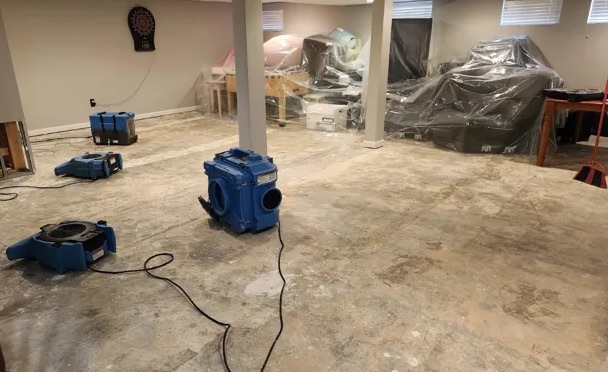
Rapid Structural Drying Solutions in Woodmere, Ohio
Flooding events introduce large volumes of water that soak deep into structural components. Residential structural drying after a flood requires powerful equipment to dry materials from the inside out.
Structural moisture removal in Woodmere addresses both visible and hidden water damage in homes and businesses. Service areas include nearby locations like Orange, Pepper Pike and Beachwood for added convenience.
Comprehensive Rapid Structural Drying Solutions
Moisture Mapping Services
Effective drying starts with accurate assessment. Moisture mapping services use penetrating and non-penetrating moisture meters to create a detailed picture of affected areas.
Emergency Structural Drying
Drying starts with a quick assessment and equipment placement, so moisture is pulled from walls, floors and framing before the damage spreads.
Wall Cavity Drying
Addressing moisture within walls involves specific drying methods for studs and insulation. Moisture meters track progress, verifying that wall cavities are dry before any restoration work in the village of Woodmere.
Crawl Space Drying
Crawl spaces are vulnerable to groundwater and plumbing leaks. Effective drying here combines pumping, debris removal, and the strategic placement of air movers and dehumidifiers.
Subfloor Drying
Water seeping under flooring requires immediate attention. High-capacity dehumidifiers then capture the water vapor to protect the subfloor's strength.
When Rapid Structural Drying Is Needed
Recent Plumbing Leak or Flood
Any recent leak or flood can leave water inside walls and floors even after surfaces look dry.
High Indoor Humidity Levels
A clammy feeling in the air suggests elevated moisture that structural dehumidification equipment is designed to correct.
Warped or Bubbling Floorboards
Hardwood floors that buckle or cup have taken on moisture from below, usually from a wet subfloor.
Visible Water Stains on Walls
Yellow or brown stains on drywall or ceilings mean water got into the material and may still be inside.
How Rapid Structural Drying Works in Woodmere
Step 1: Emergency Response and Moisture Detection
The pros use meters and thermal cameras to find all wet areas and decide which to dry first.
Step 2: Setup of Airflow and Dehumidification
A balanced system of airflow and structural dehumidification is established to pull moisture from materials and condense it out of the air.
Step 3: Specialized Drying for Concrete and Cavities
Specialized techniques like concrete slab drying and forced cavity drying are applied to address moisture trapped in the most challenging structural components.
Step 4: Final Structural Integrity Confirmation
Final moisture readings are recorded for each area to confirm the structure is dry before repairs begin.
How Water Damage Leads to Rapid Structural Drying in Woodmere
Overflowing Sinks or Bathtubs
A bathroom overflow can send water under flooring and into wall cavities, where it stays hidden.
Burst Pipes or Plumbing Failures
A burst pipe can release hundreds of gallons, soaking drywall, subfloors and framing well beyond the room where it broke.
Foundation Cracks and Water Seepage
Cracks in a foundation or basement wall permit groundwater intrusion, which can saturate concrete slabs and framing.
Roof Leaks From Storm Damage
Wind-driven rain or damaged shingles allow water to infiltrate attics and wall cavities, leading to widespread structural moisture.
Rapid Structural Drying for Homes and Businesses
Residential Rapid Structural Drying
Homeowners face risks from hidden moisture in attics and crawl spaces. Emergency structural drying services use air scrubbers and focused drying to safeguard indoor air quality and the home's structural integrity from slow leaks.
Commercial Rapid Structural Drying
Warehouses and industrial facilities need large-scale drying for wide concrete floors. Professionals employ drying strategies and moisture mapping to prevent corrosion of inventory and structural components.
Rapid Structural Drying vs. DIY: When to Call Water Damage Pros
You can pull up soaked rugs and padding so the subfloor can start drying. Check other rooms for signs of spreading moisture, such as damp baseboards or swelling trim.
Factors Influencing Rapid Structural Drying Costs
In Woodmere, the cost of structural drying depends on the water source, the size of the wet area and how much equipment is needed.
Secondary Damage Prevention
Efforts to prevent mold growth during the drying process, such as applying antimicrobials, can be a factor in the service cost.
Water Contamination Category
Clean water from a broken pipe is simpler to address than contaminated flood water, which requires more extensive safety and drying protocols.
Access and Complexity
Difficult-to-reach areas like tight crawl spaces or behind finished walls add labor time to the emergency structural drying process.
Does Insurance Cover Rapid Structural Drying?
Whether residential structural drying is covered depends on your insurer's interpretation of the cause. You are responsible for filing the claim and discussing coverage specifics with your insurance agent.
The Importance of Expert Rapid Structural Drying
Detailed Documentation for Claims
Comprehensive logs of moisture readings and photos are taken to document the damage for insurance purposes.
Industrial-Grade Drying Equipment
High-capacity air movers and dehumidifiers dry crawl spaces and concrete slabs, which hold water longest.
Advanced Moisture Detection
Tools like thermal imagers and moisture meters are used for accurate moisture mapping to find hidden water.
Round-the-Clock Rapid Structural Drying Availability
Don't wait for hidden moisture in crawl spaces or concrete slabs to cause more damage. For emergency structural drying and dehumidification, call (216) 238-6265 at any hour to get started.
Call Now (216) 238-6265Rapid Structural Drying for Woodmere, Orange, Pepper Pike and Beachwood
Wall cavity and subfloor drying is available in Woodmere and nearby areas such as Orange, Pepper Pike and Beachwood.
- Rapid Structural Drying in Orange
- Rapid Structural Drying in Pepper Pike
- Rapid Structural Drying in Beachwood
- Rapid Structural Drying in Warrensville Heights
- Rapid Structural Drying in Moreland Hills
- Rapid Structural Drying in Shaker Heights
- Rapid Structural Drying in University Heights
- Rapid Structural Drying in Cleveland Heights
Rapid Structural Drying FAQs
Is rapid structural drying needed for clean water leaks?
Yes, even clean water from a broken pipe requires rapid structural drying to prevent absorption into porous materials, which can lead to swelling, warping, and potential mold.
What equipment is used for water mitigation drying?
Water mitigation drying utilizes industrial air movers for evaporation, high-capacity dehumidifiers to remove vapor, and moisture meters to monitor progress throughout the structural drying process.
Why document the process for insurance?
Detailed documentation of moisture readings, photos, and equipment used provides a clear record for your insurance claim, showing the necessity and scope of the rapid structural drying services performed.
What is structural dehumidification?
Structural dehumidification uses large-capacity dehumidifiers to lower the overall humidity within a building's structure, aiding the drying of materials and helping to prevent secondary water damage like mold.
Can flood drying services prevent mold?
Prompt flood drying services that quickly remove water and lower humidity can significantly reduce the risk of mold growth, which often begins within 24-48 hours in damp conditions.