Bath, OH · Summit County
Residential Water Removal in Bath, OHMold Prevention After Water Damage & Water Damage Restoration
Thorough Residential Water Removal in Bath, covering broken pipe water cleanup, moisture inspection and mapping, and wet carpet drying and removal.
Answered 24/7
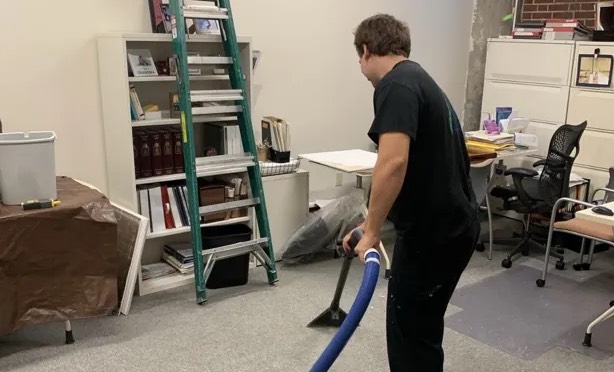
Residential Water Removal for Homes in Bath
In the Bath area, removing water quickly keeps framing from weakening and mold from starting. Restoration pros map moisture to track drying progress.
In Bath and neighboring locales like Montrose-Ghent, Richfield and Fairlawn, residential water removal covers both visible flooding and hidden moisture. The pros extract water and dry what it reached.
Residential Water Removal and Mitigation in Bath
Mold Prevention After Water Damage
Leftover dampness fuels mold growth after a leak. The prevention strategy involves aggressive drying to eliminate excess moisture from the air and materials, safeguarding a home's air quality.
Water Damage Restoration
After extraction, restoration covers drying, sanitizing and repairs. Pros check moisture in wood and drywall until it returns to normal.
Structural Drying Services
Structural drying targets wood framing, concrete and drywall. Air movers and dehumidifiers pull the moisture out until readings are normal.
Flooded Basement Water Removal
The water removal process involves powerful extraction and strategic placement of drying equipment to address the unique challenges below grade.
Wet Carpet Drying
Saturated carpet and padding can trap moisture, risking mold and rot. The process uses extraction wands to pull water from fibers, followed by air movers and dehumidifiers for thorough drying.
Indications of Water Damage Needing Residential Water Removal
Water Stains on Walls or Ceilings
Discolored patches or rings on drywall or ceilings can point to an ongoing leak behind them.
Mold or Mildew Growth
Visible fuzzy or slimy patches, often black or green, mean moisture has been present, requiring mold prevention steps.
Bubbling or Peeling Paint
Paint that blisters or wallpaper that peels away is a common symptom of excess moisture trapped within walls.
Unexplained Spike in Water Bill
A sudden increase in your water usage bill can indicate a concealed leak, like from a broken pipe.
How Residential Water Removal Works in Bath
Step 1: Source Containment and Water Extraction
The first priority is stopping the water source if possible, then deploying extraction equipment to remove the bulk of the water from the property.
Step 2: Moisture Mapping for Hidden Damage
Meters and thermal cameras map moisture inside wall cavities and under flooring before drying starts.
Step 3: Industrial Drying and Dehumidification
High-volume air movers and commercial dehumidifiers work in tandem to evaporate and collect moisture from the air and building materials.
Step 4: Cleaning and Post-Restoration Evaluation
Once dry, surfaces are cleaned, and a final evaluation confirms the success of the water damage restoration, addressing any lingering concerns.
What Leads to Needing Residential Water Removal in Bath
Roof Leaks From Storm Damage
Missing shingles, compromised flashing or ice dam damage can allow water to seep into attics and ceilings.
Foundation Cracks and Seepage
Hydrostatic pressure from saturated soil can force groundwater through cracks in your home's concrete foundation.
Burst or Leaking Supply Lines
Corroded, frozen or damaged pipes behind walls or under slabs can release large volumes of water rapidly.
Sprinkler System or Irrigation Leaks
Damaged underground sprinkler lines or malfunctioning irrigation controllers can saturate the soil and foundation.
Residential Water Removal Services for All Properties in Bath
Residential Water Removal
Homes can have wet carpet, damp basements and soaked belongings. The experts remove the water, handle family items with care and record the damage for your claim.
Commercial Water Removal
In stores and offices, the pros deal with slip hazards, wet wiring and equipment near the water, so the business can reopen sooner.
The Risks of DIY Residential Water Removal in Bath
You can remove excess water from hard floors with a mop and bucket, focusing on surface removal. Move lightweight, dry items to a safe, dry location to clear the work area.
Cost Considerations for Residential Water Removal in Bath
Costs in Bath for a flooded basement depend on how deep the water is and how long structural drying runs.
Required Drying Time
The duration needed for complete structural drying with professional equipment is a primary component of the overall service cost.
Inspection Complexity
A detailed moisture inspection and mapping process to find hidden dampness affects the project's initial assessment and planning costs.
Affected Square Footage
Larger wet areas take more time, equipment and labor to extract and dry.
Does Insurance Cover Residential Water Removal?
Insurance often covers drying or removing wet carpet in Bath when the water source is sudden and accidental, like a broken pipe. The insurer decides what is covered.
The Value of Local Residential Water Removal Experts
Comprehensive Water Extraction
Strong extractors remove standing water quickly, which shortens drying and limits damage to floors.
Methodical Drying Process
Each room is checked with meters so no wet area is missed.
Focused Flood Cleanup
Basement flooding is handled with dedicated pumps sized for high water volumes.
Emergency Residential Water Removal Response for Bath
Found a water leak spreading across your floors? Call (216) 238-6265 for 24/7 help in Bath to start extraction and protect the home.
Call Now (216) 238-6265Residential Water Removal Near Bath: Areas Served
For water damage in Bath and surrounding areas such as Montrose-Ghent, Richfield and Fairlawn, the work focuses on water extraction and full structural drying.
- Residential Water Removal in Montrose-Ghent
- Residential Water Removal in Richfield
- Residential Water Removal in Fairlawn
- Residential Water Removal in Hudson
- Residential Water Removal in Sharon Center
- Residential Water Removal in Copley
- Residential Water Removal in Hinckley
- Residential Water Removal in Cuyahoga Falls
Residential Water Removal FAQs
Is water mitigation different from water damage restoration?
Water mitigation means the first steps that stop further damage, such as extraction and drying.
What causes the need for flooded basement water removal?
Common causes include sump pump failure, sewer backups and heavy rain seeping through the foundation.
What is structural drying services?
This is the controlled drying of building materials like drywall, framing, and subflooring using air movers and dehumidifiers to restore them to a dry state.
When is mold remediation needed after water damage?
If mold growth is already visible or detected during inspection after a delayed response, a separate mold remediation protocol by specialized pros may be necessary.
How is basement water removal handled differently?
It often involves pumping out deeper water, addressing potential contamination concerns, and drying foundational elements like concrete walls and floors over an extended period.