Orange, OH · Cuyahoga County
Basement Water Damage Restoration in Orange, OHBasement Water Extraction & Basement Mold Prevention
Basement Water Damage Restoration in Orange runs from basement water extraction and basement floor water removal to basement dehumidification.
Answered 24/7
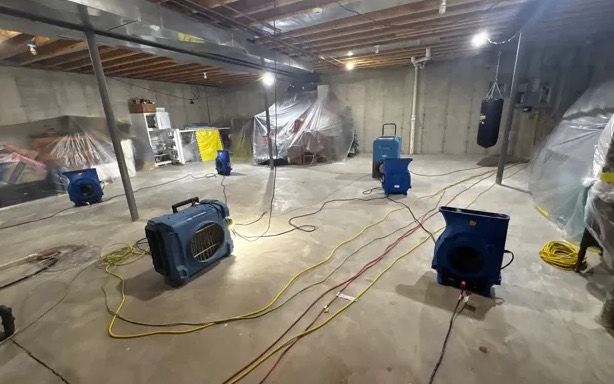
Basement Water Damage Restoration for Orange Homes
A basement dries slower than any other part of a house. The air is cool, there is little sunlight and the concrete holds moisture for a long time. In Orange, that makes extraction and steady dehumidification important.
A finished basement or lower level in Orange or Woodmere, Beachwood and Warrensville Heights can hide old moisture behind drywall and flooring. The pros find the water and dry the space before more damage sets in.
Basement Water Damage Restoration Solutions Available in Orange
Basement Water Extraction
Extraction starts at the lowest point, often near the floor drain or sump, and works outward until no pooled water remains.
Basement Mold Prevention
Keeping basement humidity low after drying helps prevent mold from returning, especially in finished spaces.
Basement Floor Water Removal
A slab can look dry on top while still holding water. Moisture readings show when it is ready for new flooring.
Basement Sewer Backup Cleanup
Sewage that backs up through a floor drain or toilet is extracted with protective gear, and the area is contained from the rest of the house.
Emergency Basement Flood Cleanup
Emergency cleanup starts with stopping the source where possible, checking for electrical hazards and pumping out the water.
Signs of Basement Water Damage in Orange
Warped or Buckling Basement Floors
Laminate, wood or vinyl flooring that buckles or lifts in the basement has water underneath.
Peeling Paint or Wallpaper
Paint that peels or blisters on basement walls often has moisture behind it.
Mold on Surfaces
Dark spots on drywall, framing or stored boxes mean the area has stayed wet for days.
Wet or Stained Basement Walls
Dark, wet patches or tide lines on basement walls show where water seeped in or wicked up.
How Basement Water Damage Restoration Works in Orange
Step 1: Initial Assessment and Water Removal
The source and type of water are identified, and standing water is removed right away.
Step 2: Focused Drying of Materials
Walls, framing and the slab are dried with directed airflow, with wet insulation removed.
Step 3: Air Quality Management
Air scrubbers filter dust and odors from removal work while drying continues.
Step 4: Documentation for Restoration
Photos, readings and a list of removed materials are prepared for insurance and rebuilding.
Why Basement Water Damage Occurs in Orange
Clogged Floor Drains
A floor drain blocked by debris cannot carry off water from a leak or overflow, so it spreads across the basement floor.
Failed or Clogged Drain Tile
Clogged or collapsed drain tile around the foundation lets water build up against the walls.
Sewer Line Backups
A blocked or overloaded sewer line pushes wastewater up through basement drains and toilets.
Stormwater Runoff Into Lower Levels
Heavy rain running off hard ground or a sloped yard can pour down stairwells and under doors into below-grade rooms.
Basement Water Damage Restoration for Homes and Businesses in Orange
Residential Basement Water Damage Restoration
A sewer backup in a home basement needs contaminated carpet, pad and drywall removed and every hard surface disinfected before drying.
Commercial Basement Water Damage Restoration
In restaurants and stores with basements, sewage backups need fast containment so contamination does not reach food or customer areas.
When to DIY and When to Call the Pros for Basement Water Damage Restoration
If a small leak left a puddle on bare concrete, a wet vac and a dehumidifier may be enough. Call local water damage pros if water reached drywall, carpet or framing, or if it came from a sewer drain.
What Influences Basement Water Damage Restoration Cost in Orange
Before pricing basement water damage restoration in Orange, the pros check the water depth, the type of water and what the basement is finished with.
Access Complexity
Narrow stairs, low ceilings and stored contents can make the work slower.
Material Saturation
Finished basements with carpet, drywall and insulation take more removal work than bare concrete.
Affected Square Footage
Larger basements need more extraction, more drying equipment and more days of drying time.
Does Insurance Cover Basement Water Damage Restoration?
Photograph the water level, damaged belongings and appliances before cleanup starts, and keep receipts for emergency pumping and drying to send to your insurer.
Why Choose Local Pros for Basement Water Damage Restoration in Orange
Industrial-Grade Equipment
Pumps, extractors and large dehumidifiers remove water much faster than household wet vacs and fans.
Water Type Handling
Clean water, gray water and sewage are each handled with the right protection and removal steps.
Containment Strategies
Plastic sheeting keeps contaminated areas separate from clean parts of the house.
Round-the-Clock Emergency Basement Water Damage Restoration in Orange
If water is near outlets or the electrical panel, do not walk into it. Call (216) 238-6265 for help in Orange and wait for the power to be made safe.
Call Now (216) 238-6265Local Basement Water Damage Restoration Coverage: Orange and Beyond
The places below are also served, and each one has its own page.
- Basement Water Damage Restoration in Woodmere
- Basement Water Damage Restoration in Beachwood
- Basement Water Damage Restoration in Warrensville Heights
- Basement Water Damage Restoration in Pepper Pike
- Basement Water Damage Restoration in Moreland Hills
- Basement Water Damage Restoration in Bay Village
- Basement Water Damage Restoration in Highland Heights
- Basement Water Damage Restoration in Mayfield Heights
Basement Water Damage Restoration FAQs
Is basement floor water removal different from carpet extraction?
Yes. Bare concrete is squeegeed and dried, while carpet and pad need extraction, and the pad is usually replaced.
How soon should I call for basement water extraction after a leak?
Right away. Water wicks up drywall and soaks framing within hours, and below-grade spaces are slow to dry.
What is involved in basement water damage restoration?
Pumping out water, removing soaked materials, cleaning contaminated areas, drying walls, framing and concrete, and dehumidifying until readings are normal.
What causes the most common below-grade leaks in homes?
Sump pump failures, foundation cracks, clogged drain tile, sewer backups and burst pipes in the basement ceiling.
What is the priority during emergency basement flood cleanup?
Safety first, especially electrical hazards, then stopping the source and pumping out the water as quickly as possible.