Warrensville Heights, OH · Cuyahoga County
Basement Water Damage Restoration in Warrensville Heights, OHBasement Water Extraction & Basement Drying Services
Get basement water damage restoration in Warrensville Heights for basement floor water removal, basement mold prevention and basement drying services.
Answered 24/7
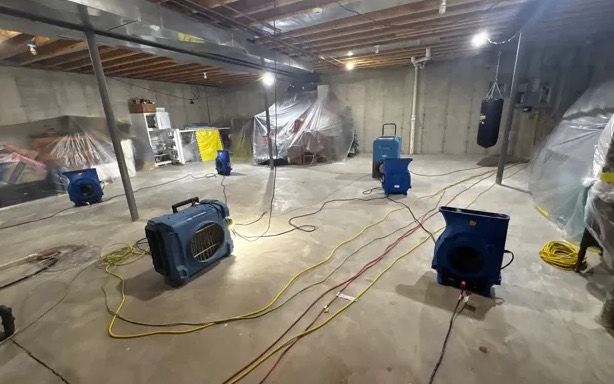
Basement Water Damage Restoration for Warrensville Heights Homes
Basement Water Damage Restoration in Warrensville Heights usually involves two parts: the emergency work of removing water and the slower work of drying a below-grade space. Both matter for keeping repairs small.
One burst pipe or heavy storm in Warrensville Heights can flood a basement. Local water removal pros serve Warrensville Heights and nearby Bedford Heights, Orange and Beachwood, with help available around the clock.
Complete Basement Water Damage Restoration for Warrensville Heights
Basement Water Extraction
Basement water is removed before drying starts, because every gallon left behind keeps the walls and air damp.
Basement Drying Services
Air movers and dehumidifiers are placed to dry walls, framing and the slab. Below-grade rooms dry slowly, so readings are taken daily.
Basement Wall Drying
Concrete and block walls are dried with directed airflow and dehumidifiers, and checked with meters until readings drop.
Emergency Basement Flood Cleanup
A flooded basement can damage furnaces, water heaters and stored items quickly. Fast pumping limits how much is lost.
Basement Floor Water Removal
Wet carpet pad is removed from basement floors, since it holds water against the concrete and dries poorly.
Warning Signs You Need Basement Water Damage Restoration
Sump Pump Failure or Overflow
A sump pump that runs constantly, fails to start or lets the pit overflow puts the basement at risk.
Standing Water in the Basement
Any standing water on the basement floor needs pumping right away, before it soaks walls and framing.
Mold on Surfaces
Dark spots on drywall, framing or stored boxes mean the area has stayed wet for days.
Efflorescence on Concrete Walls
White, chalky deposits on concrete walls mean water is moving through the concrete and leaving minerals behind.
How Basement Water Damage Restoration Works in Warrensville Heights
Step 1: Source Control and Extraction
The pipe is shut off, the sump restarted or the backup stopped, then the water is pumped out.
Step 2: Structural Drying Setup
Lower drywall is removed where soaked, and equipment is placed to dry wall cavities and the slab.
Step 3: Contaminant Removal
Materials touched by sewage or dirty water are removed and hard surfaces are cleaned and disinfected.
Step 4: Monitoring and Completion
Daily readings track drying until every material is normal, then equipment is removed.
Typical Sources of Basement Water Damage in Warrensville Heights
Water Heater or Appliance Leaks
Water heaters, washers and utility sinks in the basement can leak or fail without warning.
HVAC Condensate Line Overflow
A clogged furnace or air conditioner condensate line can overflow onto the floor of a basement or lower-level utility room.
Sewer Line Backups
A blocked or overloaded sewer line pushes wastewater up through basement drains and toilets.
High Water Table and Hydrostatic Pressure
A high water table pushes groundwater up through the slab and into the joints between wall and floor.
Home and Business Basement Water Damage Restoration in Warrensville Heights
Residential Basement Water Damage Restoration
Finished basements used as living space need carpet, pad and lower drywall checked carefully. Soaked materials are removed so the walls and slab can dry.
Commercial Basement Water Damage Restoration
Businesses with below-grade storage need inventory moved out of the water quickly. Wet stock is separated and documented for insurance.
Basement Water Damage Restoration vs. DIY: When to Call the Pros
You can move belongings off the floor and run a household dehumidifier. Drying soaked walls and slabs needs larger equipment and moisture readings to confirm the space is truly dry.
Cost Considerations for Basement Water Damage Restoration in Warrensville Heights
Waterproofing or sump pump replacement is a separate cost from water removal and drying. In Warrensville Heights, both may be needed to prevent a repeat.
Material Saturation
Finished basements with carpet, drywall and insulation take more removal work than bare concrete.
Drying Time Required
Basements dry slowly, and longer drying means more equipment days and monitoring visits.
Dehumidification Needs
Large dehumidifiers may need to run longer in below-grade spaces than in upper floors.
Does Insurance Cover Basement Water Damage Restoration?
Photograph the water level, damaged belongings and appliances before cleanup starts, and keep receipts for emergency pumping and drying to send to your insurer.
Why Choose Local Pros for Basement Water Damage Restoration in Warrensville Heights
Advanced Moisture Detection
Moisture meters and thermal cameras find water in walls and slabs that looks dry.
Containment Strategies
Plastic sheeting keeps contaminated areas separate from clean parts of the house.
Water Type Handling
Clean water, gray water and sewage are each handled with the right protection and removal steps.
Emergency Basement Water Damage Restoration Available in Warrensville Heights
Sewage coming up through a floor drain? Stop using water in the house and call (216) 238-6265 now for basement water damage restoration in Warrensville Heights.
Call Now (216) 238-6265Basement Water Damage Restoration Near Warrensville Heights: Areas Served
Need basement water damage restoration outside Warrensville Heights? Service also covers Bedford Heights, Orange and Beachwood, including emergency help during storms.
- Basement Water Damage Restoration in Bedford Heights
- Basement Water Damage Restoration in Orange
- Basement Water Damage Restoration in Beachwood
- Basement Water Damage Restoration in Woodmere
- Basement Water Damage Restoration in Shaker Heights
- Basement Water Damage Restoration in University Heights
- Basement Water Damage Restoration in Maple Heights
- Basement Water Damage Restoration in Garfield Heights
- Emergency Damage Restoration in 44128
- Storm Damage Restoration in 44128
- Water Damage Restoration in 44128
- Water Extraction Service in 44128
- Water Leak Detection in 44128
- Water Removal Service in 44128
Your Basement Water Damage Restoration Questions Addressed
Why is quick action important for below-grade flood restoration?
Basements dry slowly, so every hour of standing water adds days of drying and more material to replace.
What causes the most common below-grade leaks in homes?
Sump pump failures, foundation cracks, clogged drain tile, sewer backups and burst pipes in the basement ceiling.
Is basement floor water removal different from carpet extraction?
Yes. Bare concrete is squeegeed and dried, while carpet and pad need extraction, and the pad is usually replaced.
What are signs of hidden moisture after below-grade water extraction?
Musty smells, tide lines on walls, damp carpet edges and moisture readings that stay high in walls or the slab.
How is basement restoration documented for insurance?
With photos of the water level and damage, moisture readings, a list of removed materials and daily drying logs.