Floodwater Removal in Painesville, OH
Trusted by 10,000+ Homeowners Across the USA
Floodwater Removal in Painesville, OH: What You Need to Know
Painesville, OH, is known for its heavy spring rainfall, and with it comes the risk of floodwater damage. You're not alone if you've experienced the aftermath of a flooded basement or crawlspace. Our team has seen it time and time again: water seeps in, causing musty odors, warping wood, and damaging insulation. That's why our floodwater removal service is designed to get your property back to normal quickly and efficiently. You can trust our technicians to assess the situation, extract the water, and restore your space.
With over 165 five-star reviews, you know you're in good hands. Homeowners in the area trust us to handle their floodwater removal needs because of our attention to detail, our commitment to customer satisfaction, and our ability to work efficiently. You can count on us to get the job done right the first time.
- Quick Response Times: We'll be at your doorstep within 60 minutes to assess the situation and start the removal process.
- Advanced Equipment: Our technicians use the latest water extraction equipment to remove standing water and dry out your space.
- Personalized Service: We'll work with you to create a customized plan to fit your specific needs and budget.
How Our Floodwater Removal Process Works
Our floodwater removal process is designed to be efficient, effective, and minimally invasive. We understand that every situation is unique, and we'll work with you to create a plan that meets your specific needs. Here's an overview of what you can expect:
Step 1: Assessment and Planning
We'll send a technician to your property to assess the situation and develop a customized plan. This includes identifying the source of the floodwater, determining the extent of the damage, and identifying any potential safety hazards. Our technician will work with you to create a plan that meets your needs and budget.
Step 2: Water Extraction
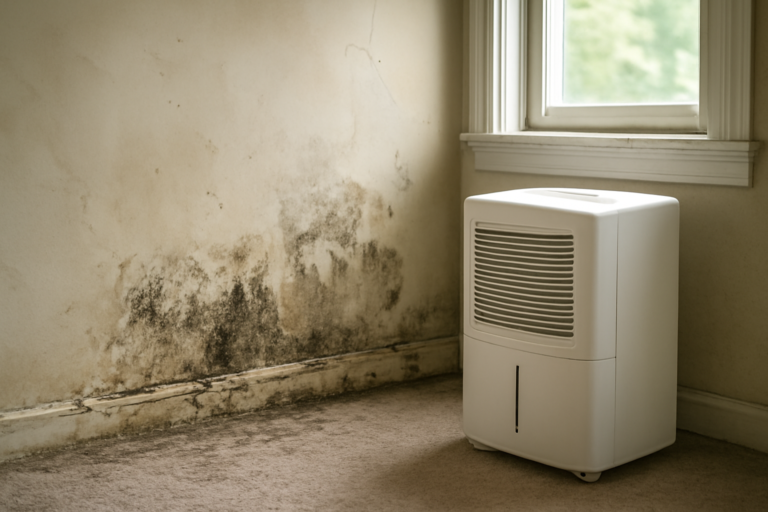
Our technician will use advanced equipment to remove standing water from your property. This includes water extraction pumps, wet/dry vacuums, and dehumidifiers. We'll work to remove as much water as possible to prevent further damage and reduce the risk of mold growth.
Step 3: Drying and Dehumidification
Once the water has been removed, our technician will use dehumidifiers and fans to dry out your space. This includes drying walls, floors, and ceilings to prevent warping and damage.
Step 4: Sanitizing and Disinfecting
We'll use specialized equipment to sanitize and disinfect your space to prevent the growth of mold and bacteria. This includes using antimicrobial agents and ozone generators to remove any remaining moisture and contaminants.
Step 5: Restoration and Reconstruction
Once your space has been dried and sanitized, our technician will work with you to restore and reconstruct any damaged areas. This includes repairing or replacing drywall, flooring, and other materials that were damaged by the floodwater.
Don't wait until it's too late. Call us today to schedule your floodwater removal service and get your property back to normal quickly and efficiently. Our team is here to help you every step of the way.

Warning Signs You Need Floodwater Removal
Catching floodwater damage early can save you time, money, and stress in the long run. Here are some warning signs to look out for:
Musty Odors That Won't Go Away
If you notice a persistent musty smell in your home, it could be a sign of floodwater damage. This is especially true if the smell is accompanied by visible signs of water damage, such as warping wood or discoloration.
Water Stains on Walls or Ceilings
Water stains on walls or ceilings can be a sign of floodwater damage. These stains can be caused by water seeping through the roof or walls, and can lead to further damage if left unchecked.
Warped or Discolored Flooring
Warped or discolored flooring can be a sign of floodwater damage. This is especially true if the flooring is made of wood or other materials that are prone to warping or discoloration.
Visible Signs of Water Damage
Visible signs of water damage, such as buckled flooring or warping walls, can be a sign of floodwater damage. If you notice any of these signs, it's essential to act quickly to prevent further damage.
Unpleasant Odors or Foul Smells
Unpleasant odors or foul smells can be a sign of floodwater damage. This is especially true if the smell is accompanied by visible signs of water damage or other warning signs.
Visible Signs of Mold or Mildew
Visible signs of mold or mildew can be a sign of floodwater damage. If you notice any of these signs, it's essential to act quickly to prevent further damage and health risks.
Floodwater Removal vs. DIY: When to Call a Professional
| Situation | DIY? | Call a Pro? | Why |
|---|---|---|---|
| Small flood in a single room | Yes | No | You can likely handle a small flood on your own with a wet/dry vacuum and some elbow grease. |
| Large flood in multiple rooms | No | Yes | A large flood needs specialized equipment and expertise to handle safely and efficiently. |
| Hidden water damage | No | Yes | Hidden water damage can be difficult to detect and needs specialized equipment to locate and fix. |
| Mold or mildew growth | No | Yes | Mold and mildew growth can be hazardous to your health and needs specialized equipment and expertise to handle safely and effectively. |
| High-pressure water extraction | No | Yes | High-pressure water extraction needs specialized equipment and expertise to handle safely and efficiently. |
| Water damage to electrical systems | No | Yes | Water damage to electrical systems can be hazardous and needs specialized equipment and expertise to handle safely and effectively. |
Don't risk your health and safety by trying to handle a flood on your own. Call us today to schedule your floodwater removal service and get your property back to normal quickly and efficiently.
Floodwater Removal Cost in Painesville, OH
The cost of floodwater removal can vary depending on the severity of the damage, the size of the affected area, and local conditions in Painesville, OH. Here are some estimated price ranges for different aspects of the service:
| Service | Typical Price Range | What Affects Cost |
|---|---|---|
| Water Extraction | $500 - $2,500 | Size of affected area, severity of damage, and local conditions |
| Drying and Dehumidification | $200 - $1,000 | Size of affected area, severity of damage, and local conditions |
| Sanitizing and Disinfecting | $100 - $500 | Size of affected area, severity of damage, and local conditions |
| Restoration and Reconstruction | $1,000 - $5,000 | Size of affected area, severity of damage, and local conditions |
| Equipment Rental | $50 - $200 | Size of affected area, severity of damage, and local conditions |
| Travel and Labor Fees | $100 - $500 | Distance to job site, severity of damage, and local conditions |
Exact pricing will depend on an on-site assessment, and we offer free estimates to ensure you know exactly what to expect. Call us today to schedule your floodwater removal service and get your property back to normal quickly and efficiently.
Service Areas Near Painesville, OH
We serve the following communities in the Painesville, OH area:
Willoughby, OH, Mentor, OH, Madison, OH, Eastlake, OH, Wickliffe, OH, Willowick, OH, Fairport Harbor, OH, Grand River, OH, Leroy, OH, Perry, OH, Kirtland, OH, Kirtland Hills, OH, Timberlake, OH
Common Questions About Floodwater Removal
How long does floodwater removal take?
The length of time it takes to complete a floodwater removal job depends on the severity of the damage and the size of the affected area. On average, it can take anywhere from a few hours to several days to complete the process.
Is floodwater removal covered by insurance?
Yes, floodwater removal is typically covered by insurance. But, the specifics of your policy will depend on your insurance provider and the type of coverage you have. It's essential to review your policy and contact your insurance provider to find out what is covered and what is not.
Can I do floodwater removal myself?
It's not recommended to try to handle a flood on your own. Floodwater removal needs specialized equipment and expertise to handle safely and efficiently. Also, trying to handle a flood on your own can lead to further damage and health risks.
How do I prevent floodwater damage?
Preventing floodwater damage needs regular maintenance and inspections of your property. This includes checking for signs of water damage, ensuring proper drainage, and maintaining your sump pump and backup system. Also, consider installing a flood alarm and keeping a backup power source on hand in case of an emergency.
What equipment do you use for floodwater removal?
We use a variety of equipment, including water extraction pumps, wet/dry vacuums, and dehumidifiers, to remove standing water and dry out your space. We also use specialized equipment to sanitize and disinfect your space to prevent the growth of mold and bacteria.
Check Our Other Relevant Services
Serving Painesville, OH And Nearby Areas