Bath, OH · Summit County
AC Unit Water Removal in Bath, OHAC Condensate Drain Clearing & AC Leak Water Cleanup
AC Unit Water Removal in Bath runs from emergency AC water removal and AC leak water cleanup to air conditioner restoration services.
Answered 24/7
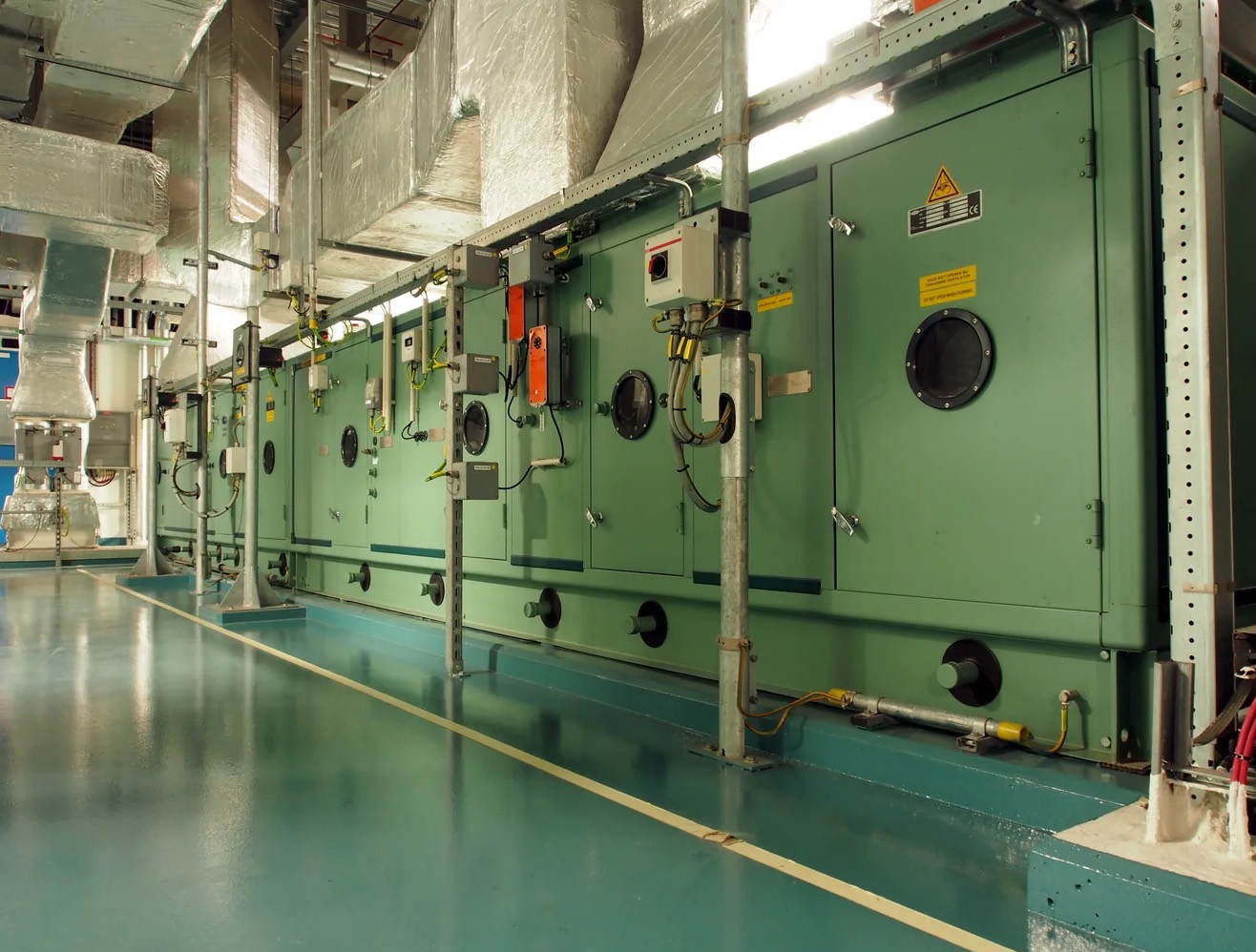
Professional AC Unit Water Removal in Bath, OH
Attic air handlers in Bath leak straight into the ceiling below. A sagging or stained ceiling under the unit means water is already in the drywall and possibly the insulation above it.
Property owners in Bath can call (216) 238-6265 day or night when an air handler starts leaking. Service also covers Montrose-Ghent, Richfield and Fairlawn, with the same extraction, drain clearing and drying process for attic, closet and garage units in houses, condos and apartments.
The AC Unit Water Removal Process in Bath, OH
AC Condensate Drain Clearing
A clogged condensate line is the most common reason an AC unit leaks. The pros flush out algae and sludge so condensate drains away again.
AC Leak Water Cleanup
Cleanup starts at the drain pan and works outward, removing pooled water and wet debris so drying can begin.
Wet AC Unit Component Drying
Air movers and a dehumidifier are set around the unit, and moisture readings are taken until the metal and insulation test dry.
Emergency AC Water Removal
A sudden AC flood can soak a ceiling or floor in hours. Emergency removal gets the water out before it spreads into framing and insulation.
Air Conditioner Restoration Services
After drying, damaged drywall, trim or ceiling panels near the unit can be replaced and repainted.
Warning Signs You Need AC Unit Water Removal
Condensation Line Dripping
A condensate line that drips inside instead of outside has a crack, loose fitting or clog.
Wet AC Unit Components
Damp coils, a wet blower compartment or moisture around wiring inside the cabinet mean water is collecting where it should not.
Visible Mold Near AC
Dark spots on drywall or framing near the unit mean the area has stayed wet for days.
Water on the Floor
A puddle around the air handler or furnace closet is the most direct sign of a leak.
How AC Unit Water Removal Works in Bath
Step 1: Leak Assessment
The pros find the source of the leak, check how far the water spread and take moisture readings.
Step 2: Source Stop and Water Removal
The drain is cleared or the leaking part isolated, then standing water is extracted from every wet area.
Step 3: System Drying and Dehumidification
Drying equipment runs until walls, floors and insulation test dry, with readings taken at each visit.
Step 4: Verification and Restoration
Final readings confirm the materials are dry, then damaged drywall, trim or ceiling panels can be replaced.
Common Causes of AC Unit Water Damage in Bath
Excess Outdoor Humidity
Very humid air makes the coil produce more water than a partly clogged drain can carry.
Age and Component Wear
Older units have worn fittings, brittle seals and corroded pans that start leaking together.
Dirty Air Filters
A clogged filter cuts airflow, which can freeze the coil and cause overflow when it melts.
Improper AC Unit Installation
A unit that is not level, or a drain line without enough slope, lets water pool instead of draining.
Residential and Commercial AC Unit Water Removal in Bath
Residential AC Unit Water Removal
In a home, an AC leak usually hits a hallway ceiling, a closet floor or the carpet near the air handler. Water removal and drying start there, followed by drywall repair if needed.
Commercial AC Unit Water Removal
In offices and stores, a leaking rooftop or ceiling unit drips onto desks, stock and floors and creates slip hazards. Work can be scheduled around business hours where possible.
Why DIY AC Water Removal Often Fails in Bath
Mopping up a small drip and clearing the drain line with a wet vac is a reasonable DIY step. Call local water damage pros if water reached the ceiling, walls or insulation, or if the leak keeps coming back after you clear the line.
What Affects AC Unit Water Removal Expense in Bath
After-hours calls, the number of rooms affected, the drying time and any drywall or ceiling repairs all change the total for AC unit water removal in Bath.
Affected Component Count
The more of the system that got wet, such as the blower, panels and insulation, the more drying time is needed.
Emergency Service Timing
After-hours and holiday response can cost more than a scheduled weekday visit.
Documentation Needs
Detailed photos and moisture logs for an insurance claim add some time to the job.
Does Insurance Cover AC Unit Water Removal?
Take photos before cleanup starts and keep receipts for any emergency work, such as extraction done at night. Both help when you file a claim for AC water damage with your insurer.
Advantages of Hiring Local Pros in Bath for AC Unit Water Removal
Clear Process Communication
Each step is explained before work starts, so you know what is being removed and why.
Drain Pan Extraction
Both the main pan and the safety pan are emptied and checked for damage.
Leak Source Identification
The pros trace the leak to its source, whether that is a clog, a cracked pan or a failed pump.
24/7 AC Unit Water Removal for Emergencies in Bath
If water is near wiring or the breaker keeps tripping, turn off power to the unit and stay clear of the wet area. Then call (216) 238-6265 for help in Bath.
Call Now (216) 238-6265AC Unit Water Removal Service Area Including Bath
Besides Bath, local water damage pros handle AC leaks, wet ceilings and clogged condensate lines in nearby Montrose-Ghent, Richfield and Fairlawn, day or night.
AC Unit Water Removal FAQ for Bath Homeowners
Does homeowners insurance cover water damage from an HVAC unit?
Sudden leaks are often covered, but slow leaks and the unit itself usually are not. Check your policy.
What is involved in AC unit water removal?
Standing water is extracted, the condensate line is cleared, and wet materials are dried with air movers and dehumidifiers until moisture readings are normal.
What happens during AC water extraction?
Pumps and extractors remove water from the pan, floor and carpet, then moisture meters check walls and subfloor for hidden water.
Why document AC water damage?
Photos and moisture readings show what got wet and how it was dried, which helps your insurance claim.
Why does the drain pan need to be emptied?
A full pan overflows into ceilings and floors. Emptying and inspecting it stops the spill and shows whether the pan is cracked.