Cleveland Heights, OH · Cuyahoga County
Attic Water Damage Restoration in Cleveland Heights, OHAttic Mold Prevention & Attic Moisture Inspection
Attic Water Damage Restoration in Cleveland Heights includes roof leak water removal, ceiling water damage cleanup and attic moisture inspection.
Answered 24/7
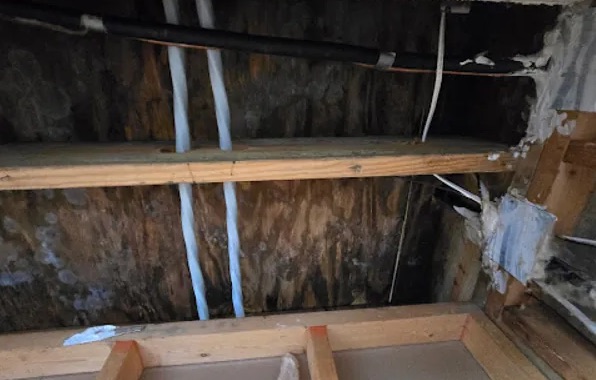
Expert Attic Water Damage Restoration Serving Cleveland Heights, OH
Attic Water Damage Restoration in Cleveland Heights deals with leaks from roofs, attic plumbing, AC drain pans and bathroom exhaust ducts. Each one leaves water on the attic floor and in the insulation, and each one needs a different fix at the source.
A storm leak in Cleveland Heights can soak attic insulation in one night. Local attic water damage pros serve Cleveland Heights and nearby East Cleveland, University Heights and South Euclid, with help available around the clock.
Detailed Attic Water Damage Restoration Solutions
Attic Mold Prevention
Drying wet wood quickly is the main way to limit microbial growth in an attic. Decking and rafters that stayed damp can be treated once dry.
Attic Moisture Inspection
Moisture meters and thermal cameras check decking, rafters, insulation and the ceiling below to find every wet area.
Emergency Attic Water Extraction
Emergency extraction in an attic removes standing water from decking and drywall tops, and buckets or containment catch active drips.
Roof Leak Water Removal
A tarp can be placed over the damaged roof section to stop more rain from getting in while drying begins below.
Wet Attic Insulation Removal
Wet fiberglass batts lose their insulating value and hold water against the ceiling. Soaked sections are bagged and removed so the area underneath can dry.
Signs of Attic Water Damage in Cleveland Heights Homes
Active Leak During Rain
Water dripping into the attic during rain shows an active roof leak that needs fixing and drying.
Water Stains on Ceiling
Brown rings or yellow spots on an upstairs ceiling usually mean water is sitting on the drywall from above.
Rust on Nails or Vents
Rusted nail tips, vent flanges or metal straps in the attic point to repeated moisture.
Peeling Paint or Wallpaper
Paint that bubbles or peels on upstairs ceilings and walls often has water behind it.
How Attic Water Damage Restoration Works in Cleveland Heights
Step 1: Source Stop and Water Extraction
A tarp is placed over roof damage or the pipe is shut off, and water in the attic is removed.
Step 2: Removal of Damaged Materials
Ruined insulation and sagging ceiling drywall are removed to stop further damage and open the area to air.
Step 3: Attic Drying
Dehumidifiers and air movers run until wood framing and decking return to normal moisture levels.
Step 4: Cleaning and Odor Removal
Debris is cleared, dust is cleaned from the room below, and musty odors are addressed.
Frequent Origins of Attic Flooding
Failing Roof Valley or Flashing
Worn flashing around valleys, chimneys and skylights lets water run into the attic.
Ice Dam Formation on Roof
Ice dams at the roof edge force melting snow back under the shingles and into the attic.
Improperly Sealed Roof Penetrations
Gaps around vents, pipes and antennas that pass through the roof let water in when seals fail.
Burst or Leaking Plumbing Pipes
Supply lines and water heaters in the attic can leak or burst directly onto the ceiling.
Home and Business Attic Water Damage Restoration Services
Residential Attic Water Damage Restoration
Homeowners often store boxes and holiday items in the attic. Wet belongings are moved out and dried or discarded before work on the insulation and framing starts.
Commercial Attic Water Damage Restoration
Offices and stores with roof leaks need the area below protected during work. Drying is planned around business hours where possible to keep the space open.
When Attic Water Removal Requires Local Pros
You can check the attic with a flashlight for wet insulation and dripping water if it is safe to do so. Removing soaked insulation and drying the framing takes equipment, protection and safe footing.
What Influences Attic Water Damage Restoration Expenses?
An attic leak caught after the first storm costs less to fix in Cleveland Heights than one that soaked insulation and decking for a whole season.
Type of Water Involved
Clean rainwater is simpler to handle than water from a drain or a contaminated source.
Affected Attic Materials
Wet insulation, decking and ceiling drywall that must be removed add labor and disposal costs.
Required Drying Time
Dense wood framing can take several days to dry, adding equipment time.
Does Insurance Cover Attic Water Damage Restoration?
Photos, moisture readings and drying logs from local attic water damage pros help support an insurance claim for attic water damage in Cleveland Heights. Keep copies of everything.
Why Choose Local Pros for Attic Water Damage Restoration in Cleveland Heights
Wet Insulation Handling
Wet insulation is bagged and removed carefully, keeping debris out of the living space.
Advanced Moisture Detection
Moisture meters and thermal cameras find wet insulation, wood and drywall that look dry.
Mold Prevention Focus
Fast drying of wood framing is the main way to limit microbial growth after a leak.
Emergency Attic Water Removal Available Now
Water dripping from your ceiling in Cleveland Heights? Put a bucket under it, move belongings and call (216) 238-6265. Help for attic leaks is available 24/7.
Call Now (216) 238-6265Attic Water Damage Restoration Near Cleveland Heights: Areas Served
Nearby areas served for attic water damage restoration include East Cleveland, University Heights and South Euclid, with the same attic inspection and drying process used in Cleveland Heights.
- Attic Water Damage Restoration in East Cleveland
- Attic Water Damage Restoration in University Heights
- Attic Water Damage Restoration in South Euclid
- Attic Water Damage Restoration in Richmond Heights
- Attic Water Damage Restoration in Shaker Heights
- Attic Water Damage Restoration in Lyndhurst
- Attic Water Damage Restoration in Beachwood
- Attic Water Damage Restoration in Woodmere
Attic Water Damage Restoration FAQs
How do I know the attic is completely dry?
Moisture readings on decking, rafters and the ceiling are compared to unaffected dry areas until they match.
What is involved in emergency attic water extraction?
Catching active drips, removing pooled water from decking and drywall tops, and starting drying before the ceiling below is ruined.
What equipment is used for attic water removal?
Wet vacs, air movers, dehumidifiers, moisture meters and thermal cameras, plus bags and HEPA vacuums for insulation removal.
How quickly should I respond to an attic leak?
Right away. Water on the attic floor soaks into the ceiling drywall within hours and can make it sag or fall.
How is attic water damage documented?
With photos of the leak point and damage, moisture readings, a list of removed materials and daily drying logs.