Ashland, OH · Ashland County
Basement Water Damage Restoration in Ashland, OHBasement Mold Prevention & Basement Floor Water Removal
Homeowners in Ashland get Basement Water Damage Restoration for emergency basement flood cleanup, basement wall drying and basement mold prevention.
Answered 24/7
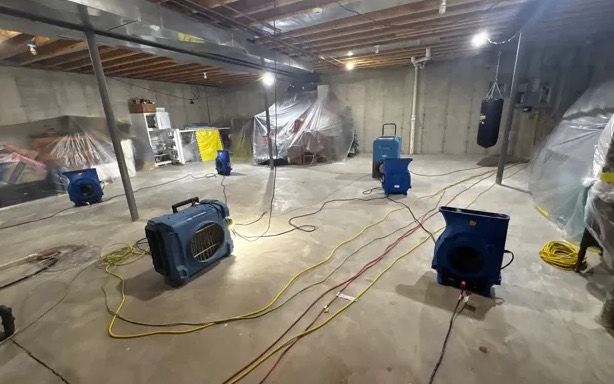
Expert Basement Water Damage Restoration Serving Ashland
Basements collect water from every direction: rain seeping through walls, groundwater pushing up through the slab, sewage backing up through floor drains and pipes bursting overhead. In an Ashland home with a basement or below-grade room, any of these can leave inches of water on the floor.
In Ashland, a home with a basement or below-grade room can flood after heavy rain or a blocked sewer line. Local water removal pros serve Ashland, Lodi, Wooster and Wellington, pumping out water and drying finished and unfinished spaces.
Professional Basement Water Damage Restoration Offered in Ashland
Basement Mold Prevention
Fast extraction and drying are the main ways to limit microbial growth in a basement. Surfaces that stayed wet can be treated once dry.
Basement Floor Water Removal
Water on a concrete floor is squeegeed and extracted, and floor coverings such as carpet, vinyl or laminate are lifted to dry the slab.
Basement Sewer Backup Cleanup
Porous materials touched by sewage, such as carpet, pad and lower drywall, are removed. Concrete and framing are cleaned and disinfected.
Emergency Basement Flood Cleanup
Emergency cleanup starts with stopping the source where possible, checking for electrical hazards and pumping out the water.
Basement Drying Services
Equipment is adjusted each day based on moisture readings until every material reaches its normal level.
When to Consider Basement Water Damage Restoration for Your Ashland Home
Condensation on Windows or Pipes
Water beading on cold pipes or basement windows shows high humidity that keeps materials damp.
Sewage Odors or Backups
Sewage smells or water coming up through a floor drain mean the sewer line is backing up.
Damp or Musty Odors
A damp, earthy or musty smell in the basement often means hidden moisture in walls, carpet or the slab.
Mold on Surfaces
Dark spots on drywall, framing or stored boxes mean the area has stayed wet for days.
How Basement Water Damage Restoration Works in Ashland
Step 1: Initial Assessment and Water Removal
The source and type of water are identified, and standing water is removed right away.
Step 2: Focused Drying of Materials
Walls, framing and the slab are dried with directed airflow, with wet insulation removed.
Step 3: Air Quality Management
Air scrubbers filter dust and odors from removal work while drying continues.
Step 4: Documentation for Restoration
Photos, readings and a list of removed materials are prepared for insurance and rebuilding.
Typical Sources of Basement Water Damage in Ashland
Window Well Flooding
Window wells without drains or covers fill with rain and leak through basement windows.
Sump Pump Mechanical Failure
A sump pump that fails, loses power or is too small lets groundwater rise into the basement.
Foundation Cracks and Leaks
Cracks in foundation walls let groundwater and melting snow seep into the basement.
Clogged Floor Drains
A floor drain blocked by debris cannot carry off water from a leak or overflow, so it spreads across the basement floor.
Residential and Commercial Basement Water Damage Restoration in Ashland
Residential Basement Water Damage Restoration
Finished basements used as living space need carpet, pad and lower drywall checked carefully. Soaked materials are removed so the walls and slab can dry.
Commercial Basement Water Damage Restoration
Businesses with below-grade storage need inventory moved out of the water quickly. Wet stock is separated and documented for insurance.
Basement Water Damage Restoration vs. DIY: When to Call the Pros
If a small leak left a puddle on bare concrete, a wet vac and a dehumidifier may be enough. Call local water removal pros if water reached drywall, carpet or framing, or if it came from a sewer drain.
Cost Considerations for Basement Water Damage Restoration in Ashland
In Ashland, basement jobs often run longer than upper-floor jobs because concrete dries slowly. Equipment days make up much of the bill.
Material Saturation
Finished basements with carpet, drywall and insulation take more removal work than bare concrete.
Dehumidification Needs
Large dehumidifiers may need to run longer in below-grade spaces than in upper floors.
Water Category
Clean water costs less to handle than sewage, which needs protective gear, removal and disinfection.
Does Insurance Cover Basement Water Damage Restoration?
Coverage for groundwater seepage and backups varies widely between policies. Ask your adjuster whether your policy includes it before work begins.
The Value of Local Pros for Basement Water Damage Restoration in Ashland
Industry Drying Standards
Drying follows industry water damage standards, with readings taken at every visit.
Structural Integrity Assessment
Walls, stairs and framing are checked for damage before work begins in the basement.
Detailed Documentation
Photos, readings and drying logs are kept to support your insurance claim.
24/7 Emergency Basement Water Damage Restoration in Ashland
Every hour of standing water in a basement means more drywall and flooring to replace. Call (216) 238-6265 for basement water damage restoration in Ashland.
Call Now (216) 238-6265Local Basement Water Damage Restoration Coverage: Ashland and Beyond
Other places served are listed below, each with its own page.
- Basement Water Damage Restoration in Lodi
- Basement Water Damage Restoration in Wooster
- Basement Water Damage Restoration in Wellington
- Basement Water Damage Restoration in Seville
- Basement Water Damage Restoration in Lagrange
- Basement Water Damage Restoration in Oberlin
- Basement Water Damage Restoration in Medina
- Basement Water Damage Restoration in Wadsworth
- Emergency Damage Restoration in 44805
- Storm Damage Restoration in 44805
- Water Damage Restoration in 44805
- Water Extraction Service in 44805
- Water Leak Detection in 44805
- Water Removal Service in 44805
Basement Water Damage Restoration Common Questions Answered
What equipment is used for below-grade water damage repair?
Submersible pumps, extractors, air movers, large dehumidifiers, moisture meters and air scrubbers for dust and odor.
Why is dehumidification so important after basement water removal?
Basements hold moisture in the air and concrete. Without dehumidifiers, walls and framing stay damp long after the water is gone.
How soon should I call for basement water extraction after a leak?
Right away. Water wicks up drywall and soaks framing within hours, and below-grade spaces are slow to dry.
What does below-grade moisture removal include beyond pumping?
Extracting carpet and pad, opening wet walls, running air movers and dehumidifiers, and checking readings until dry.
What are signs of hidden moisture after below-grade water extraction?
Musty smells, tide lines on walls, damp carpet edges and moisture readings that stay high in walls or the slab.