East Cleveland, OH · Cuyahoga County
Basement Water Damage Restoration in East Cleveland, OHBasement Sewer Backup Cleanup & Basement Wall Drying
Basement Water Damage Restoration in East Cleveland runs from basement water extraction and basement floor water removal to basement dehumidification.
Answered 24/7
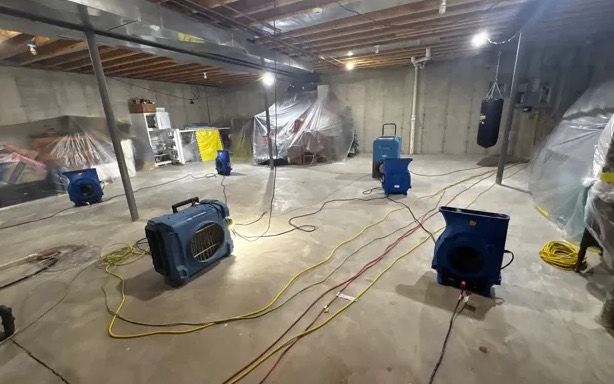
Basement Water Damage Restoration for East Cleveland Homes
Sewage backups are one of the most common problems in any basement or lower level, including in East Cleveland. Water coming up through a floor drain or basement toilet carries bacteria and needs a different cleanup than clean water.
In East Cleveland, a home with a basement or below-grade room can flood after heavy rain or a blocked sewer line. Local restoration pros serve East Cleveland, Cleveland Heights, South Euclid and University Heights, pumping out water and drying finished and unfinished spaces.
Basement Water Damage Restoration Services in East Cleveland
Basement Sewer Backup Cleanup
After a sewer backup, cleanup and disinfection come before drying, so contaminated surfaces are not left in place.
Basement Wall Drying
Concrete and block walls are dried with directed airflow and dehumidifiers, and checked with meters until readings drop.
Basement Water Extraction
Submersible pumps remove deep standing water, then portable extractors pull water from carpet, pad and the concrete floor.
Basement Floor Water Removal
Wet carpet pad is removed from basement floors, since it holds water against the concrete and dries poorly.
Basement Mold Prevention
After drying, an antimicrobial can be applied to framing and concrete that were wet, to slow mold on surfaces that stay in place.
Indicators for Basement Water Damage Restoration in East Cleveland
Sewage Odors or Backups
Sewage smells or water coming up through a floor drain mean the sewer line is backing up.
Mold on Surfaces
Dark spots on drywall, framing or stored boxes mean the area has stayed wet for days.
Efflorescence on Concrete Walls
White, chalky deposits on concrete walls mean water is moving through the concrete and leaving minerals behind.
Condensation on Windows or Pipes
Water beading on cold pipes or basement windows shows high humidity that keeps materials damp.
How Basement Water Damage Restoration Works in East Cleveland
Step 1: Source Control and Extraction
The pipe is shut off, the sump restarted or the backup stopped, then the water is pumped out.
Step 2: Structural Drying Setup
Lower drywall is removed where soaked, and equipment is placed to dry wall cavities and the slab.
Step 3: Contaminant Removal
Materials touched by sewage or dirty water are removed and hard surfaces are cleaned and disinfected.
Step 4: Monitoring and Completion
Daily readings track drying until every material is normal, then equipment is removed.
Common Causes of Water Damage in East Cleveland
Plumbing Pipe Bursts or Leaks
Supply lines and drain pipes in basement ceilings can crack or burst onto the floor below.
Clogged Floor Drains
A floor drain blocked by debris cannot carry off water from a leak or overflow, so it spreads across the basement floor.
Failed or Clogged Drain Tile
Clogged or collapsed drain tile around the foundation lets water build up against the walls.
High Water Table and Hydrostatic Pressure
A high water table pushes groundwater up through the slab and into the joints between wall and floor.
Both Residential & Commercial Basement Water Damage Restoration in East Cleveland
Residential Basement Water Damage Restoration
Homeowners with older basements may have seepage that returns with each storm. Drying fixes the current damage, and the source is noted for a waterproofing contractor.
Commercial Basement Water Damage Restoration
Apartment and condo buildings with shared basements or lower levels may have laundry and storage below grade. Each area is extracted, dried and recorded for the building manager.
Basement Water Damage Restoration vs. DIY: When to Call the Pros
If a small leak left a puddle on bare concrete, a wet vac and a dehumidifier may be enough. Call local restoration pros if water reached drywall, carpet or framing, or if it came from a sewer drain.
Basement Water Damage Restoration Cost in East Cleveland, OH
The cost of basement water damage restoration in East Cleveland depends on how much water there is, whether it is clean or sewage and how much finished material must be removed.
Water Category
Clean water costs less to handle than sewage, which needs protective gear, removal and disinfection.
Dehumidification Needs
Large dehumidifiers may need to run longer in below-grade spaces than in upper floors.
Drying Time Required
Basements dry slowly, and longer drying means more equipment days and monitoring visits.
Does Insurance Cover Basement Water Damage Restoration?
Photos, moisture readings and drying logs from the pros help support an insurance claim for basement water damage in East Cleveland.
The Value of Local Pros for Basement Water Damage Restoration in East Cleveland
Industrial-Grade Equipment
Pumps, extractors and large dehumidifiers remove water much faster than household wet vacs and fans.
Advanced Moisture Detection
Moisture meters and thermal cameras find water in walls and slabs that looks dry.
24/7 Emergency Response
Help is available day or night when water is rising in the basement.
East Cleveland Emergency Basement Water Damage Restoration Response
Water rising in your basement in East Cleveland? Shut off power to the basement if it is safe, move what you can and call (216) 238-6265. Help is available 24/7.
Call Now (216) 238-6265Local Basement Water Damage Restoration Coverage: East Cleveland and Beyond
Nearby areas served for basement water damage restoration include Cleveland Heights, South Euclid and University Heights, with the same pumping and drying steps used in East Cleveland.
- Basement Water Damage Restoration in Cleveland Heights
- Basement Water Damage Restoration in South Euclid
- Basement Water Damage Restoration in University Heights
- Basement Water Damage Restoration in Richmond Heights
- Basement Water Damage Restoration in Shaker Heights
- Basement Water Damage Restoration in Lyndhurst
- Basement Water Damage Restoration in Euclid
- Basement Water Damage Restoration in Highland Heights
- Emergency Damage Restoration in 44106
- Storm Damage Restoration in 44106
- Water Damage Restoration in 44106
- Water Extraction Service in 44106
- Water Leak Detection in 44106
- Water Removal Service in 44106
- Emergency Damage Restoration in 44110
- Storm Damage Restoration in 44110
Frequently Asked Questions About Basement Water Damage Restoration
What are signs of hidden moisture after below-grade water extraction?
Musty smells, tide lines on walls, damp carpet edges and moisture readings that stay high in walls or the slab.
What is the purpose of basement wall drying?
To remove water from drywall, insulation, framing and concrete so the walls can be repaired without trapping moisture.
What health risks come with delayed basement flood cleanup?
Standing water and wet materials can support bacteria and microbial growth, and sewage carries contaminants that need disinfection.
What causes the most common below-grade leaks in homes?
Sump pump failures, foundation cracks, clogged drain tile, sewer backups and burst pipes in the basement ceiling.
Does basement mold prevention need special steps after flooding?
Fast drying is the main step. Wood and concrete that stayed wet can be treated with an antimicrobial once dry.