Granger Lake, OH
Basement Water Damage Restoration in Granger Lake, OHEmergency Basement Flood Cleanup & Basement Wall Drying
Basement Water Damage Restoration in Granger Lake runs from basement water extraction and basement floor water removal to basement dehumidification.
Answered 24/7
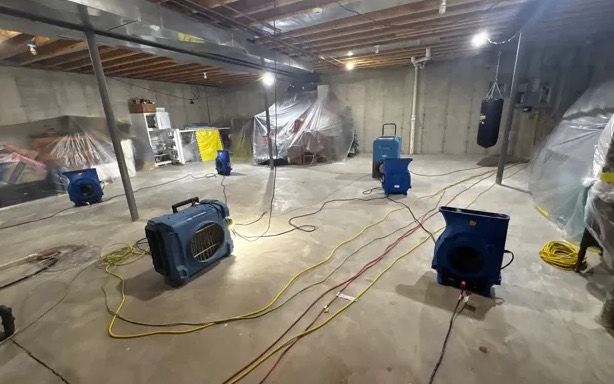
Expert Basement Water Damage Restoration Serving Granger Lake
In a Granger Lake home with a basement and a sump pump, a pump that fails during heavy rain lets water rise fast. Furnaces, water heaters, washers and stored belongings all sit at floor level and take the damage first.
Basement Water Damage Restoration Solutions Available in Granger Lake
Emergency Basement Flood Cleanup
Help is available any hour when water is rising in the basement from a burst pipe, a sewer backup or heavy rain.
Basement Wall Drying
Concrete and block walls are dried with directed airflow and dehumidifiers, and checked with meters until readings drop.
Basement Water Extraction
Basement water is removed before drying starts, because every gallon left behind keeps the walls and air damp.
Basement Sewer Backup Cleanup
Sewage that backs up through a floor drain or toilet is extracted with protective gear, and the area is contained from the rest of the house.
Basement Mold Prevention
After drying, an antimicrobial can be applied to framing and concrete that were wet, to slow mold on surfaces that stay in place.
Warning Signs You Need Basement Water Damage Restoration
Mold on Surfaces
Dark spots on drywall, framing or stored boxes mean the area has stayed wet for days.
Efflorescence on Concrete Walls
White, chalky deposits on concrete walls mean water is moving through the concrete and leaving minerals behind.
Rusted Appliances or Pipes
Rust on the water heater, furnace base or pipes points to repeated moisture or past flooding.
Condensation on Windows or Pipes
Water beading on cold pipes or basement windows shows high humidity that keeps materials damp.
How Basement Water Damage Restoration Works in Granger Lake
Step 1: Floodwater Pump-Out
Submersible pumps remove deep water, and electrical hazards are checked before anyone walks in it.
Step 2: Deep Moisture Extraction
Extractors pull water from carpet, pad and the concrete floor after the deep water is gone.
Step 3: Air Circulation and Drying
Air movers keep dry air moving across walls and floors throughout the basement.
Step 4: Dehumidification and Verification
Dehumidifiers run until humidity and material readings confirm the basement is dry.
Frequent Sources of Water Damage in Granger Lake
Plumbing Pipe Bursts or Leaks
Supply lines and drain pipes in basement ceilings can crack or burst onto the floor below.
HVAC Condensate Line Overflow
A clogged furnace or air conditioner condensate line can overflow onto the floor of a basement or lower-level utility room.
Faulty Basement Waterproofing
Old or failed waterproofing on foundation walls lets water through during wet weather.
Failed or Clogged Drain Tile
Clogged or collapsed drain tile around the foundation lets water build up against the walls.
Residential and Commercial Basement Water Damage Restoration in Granger Lake
Residential Basement Water Damage Restoration
In homes, a flooded basement often means damaged carpet, drywall, a furnace or water heater and stored belongings. Water is pumped out, contents are moved and the space is dried.
Commercial Basement Water Damage Restoration
In commercial buildings, basements hold mechanical rooms, storage and sometimes offices. Water is removed and equipment areas are dried so systems can be checked and restarted.
Professional Basement Water Damage Restoration or DIY in Granger Lake?
You can move belongings off the floor and run a household dehumidifier. Drying soaked walls and slabs needs larger equipment and moisture readings to confirm the space is truly dry.
Factors Affecting Basement Water Damage Restoration Cost in Granger Lake
Sewage cleanup, finished walls, storm-night calls and damaged appliances all add to the total for basement water damage restoration in Granger Lake.
Water Category
Clean water costs less to handle than sewage, which needs protective gear, removal and disinfection.
Material Saturation
Finished basements with carpet, drywall and insulation take more removal work than bare concrete.
Drying Time Required
Basements dry slowly, and longer drying means more equipment days and monitoring visits.
Does Insurance Cover Basement Water Damage Restoration?
Coverage for groundwater seepage and backups varies widely between policies. Ask your adjuster whether your policy includes it before work begins.
Advantages of Hiring Local Pros in Granger Lake for Basement Water Damage Restoration
Water Extraction First
Water is removed from floors, carpet and pad before drying starts, which shortens drying time.
Industrial-Grade Equipment
Pumps, extractors and large dehumidifiers remove water much faster than household wet vacs and fans.
Containment Strategies
Plastic sheeting keeps contaminated areas separate from clean parts of the house.
24/7 Emergency Basement Water Damage Restoration for Granger Lake
Sewage coming up through a floor drain? Stop using water in the house and call (216) 238-6265 now for basement water damage restoration in Granger Lake.
Call Now (216) 238-6265Local Basement Water Damage Restoration Coverage: Granger Lake and Beyond
Homes and businesses throughout Granger Lake can get basement sewer backup cleanup and basement wall drying as part of basement water damage restoration.
- Basement Water Damage Restoration in Akron
- Basement Water Damage Restoration in Alliance
- Basement Water Damage Restoration in Amherst
- Basement Water Damage Restoration in Ashland
- Basement Water Damage Restoration in Aurora
- Basement Water Damage Restoration in Avon Lake
- Basement Water Damage Restoration in Avon
- Basement Water Damage Restoration in Barberton
FAQ for Basement Water Damage Restoration in Granger Lake
How soon should I call for basement water extraction after a leak?
Right away. Water wicks up drywall and soaks framing within hours, and below-grade spaces are slow to dry.
Does basement mold prevention need special steps after flooding?
Fast drying is the main step. Wood and concrete that stayed wet can be treated with an antimicrobial once dry.
What causes the most common below-grade leaks in homes?
Sump pump failures, foundation cracks, clogged drain tile, sewer backups and burst pipes in the basement ceiling.
Is basement floor water removal different from carpet extraction?
Yes. Bare concrete is squeegeed and dried, while carpet and pad need extraction, and the pad is usually replaced.
Should I try below-grade waterproofing myself after flooding?
Sealing a small crack can be a DIY job, but drying must come first, and larger waterproofing work should go to a contractor.