Green, OH · Summit County
Basement Water Damage Restoration in Green, OHEmergency Basement Flood Cleanup & Basement Water Extraction
Basement Water Damage Restoration in Green includes emergency basement flood cleanup, basement sewer backup cleanup and basement wall drying.
Answered 24/7
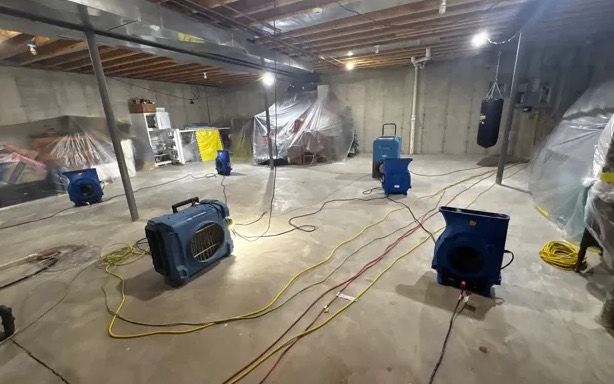
Basement Water Damage Restoration for Green Homes
Sewage backups are one of the most common problems in any basement or lower level, including in Green. Water coming up through a floor drain or basement toilet carries bacteria and needs a different cleanup than clean water.
A finished basement or lower level in Green or Mogadore, Barberton and Akron can hide old moisture behind drywall and flooring. The pros find the water and dry the space before more damage sets in.
The Basement Water Damage Restoration Process in Green
Emergency Basement Flood Cleanup
Emergency cleanup starts with stopping the source where possible, checking for electrical hazards and pumping out the water.
Basement Water Extraction
Submersible pumps remove deep standing water, then portable extractors pull water from carpet, pad and the concrete floor.
Basement Sewer Backup Cleanup
After a sewer backup, cleanup and disinfection come before drying, so contaminated surfaces are not left in place.
Basement Floor Water Removal
Wet carpet pad is removed from basement floors, since it holds water against the concrete and dries poorly.
Basement Drying Services
Air movers and dehumidifiers are placed to dry walls, framing and the slab. Below-grade rooms dry slowly, so readings are taken daily.
How to Know You Need Basement Water Damage Restoration in Green
Warped or Buckling Basement Floors
Laminate, wood or vinyl flooring that buckles or lifts in the basement has water underneath.
High Humidity Levels Below-Grade
A basement that stays damp and clammy even on dry days has a moisture source that needs attention.
Sump Pump Failure or Overflow
A sump pump that runs constantly, fails to start or lets the pit overflow puts the basement at risk.
Standing Water in the Basement
Any standing water on the basement floor needs pumping right away, before it soaks walls and framing.
How Basement Water Damage Restoration Works in Green
Step 1: Initial Assessment and Water Removal
The source and type of water are identified, and standing water is removed right away.
Step 2: Focused Drying of Materials
Walls, framing and the slab are dried with directed airflow, with wet insulation removed.
Step 3: Air Quality Management
Air scrubbers filter dust and odors from removal work while drying continues.
Step 4: Documentation for Restoration
Photos, readings and a list of removed materials are prepared for insurance and rebuilding.
Typical Sources of Basement Water Damage in Green
Stormwater Runoff Into Lower Levels
Heavy rain running off hard ground or a sloped yard can pour down stairwells and under doors into below-grade rooms.
Water Heater or Appliance Leaks
Water heaters, washers and utility sinks in the basement can leak or fail without warning.
Sewer Line Backups
A blocked or overloaded sewer line pushes wastewater up through basement drains and toilets.
Clogged Floor Drains
A floor drain blocked by debris cannot carry off water from a leak or overflow, so it spreads across the basement floor.
Home and Business Basement Water Damage Restoration in Green
Residential Basement Water Damage Restoration
Finished basements used as living space need carpet, pad and lower drywall checked carefully. Soaked materials are removed so the walls and slab can dry.
Commercial Basement Water Damage Restoration
Businesses with below-grade storage need inventory moved out of the water quickly. Wet stock is separated and documented for insurance.
Basement Water Damage Restoration: Professional Help vs. Doing It Yourself in Green
Sewage in a basement should not be cleaned up without gloves, boots and eye protection. For any backup through a floor drain or toilet, call local restoration pros.
Cost Considerations for Basement Water Damage Restoration in Green
The cost of basement water damage restoration in Green depends on how much water there is, whether it is clean or sewage and how much finished material must be removed.
Dehumidification Needs
Large dehumidifiers may need to run longer in below-grade spaces than in upper floors.
Access Complexity
Narrow stairs, low ceilings and stored contents can make the work slower.
Water Category
Clean water costs less to handle than sewage, which needs protective gear, removal and disinfection.
Does Insurance Cover Basement Water Damage Restoration?
Photograph the water level, damaged belongings and appliances before cleanup starts, and keep receipts for emergency pumping and drying to send to your insurer.
Why Choose Local Pros for Basement Water Damage Restoration in Green
Water Type Handling
Clean water, gray water and sewage are each handled with the right protection and removal steps.
Advanced Moisture Detection
Moisture meters and thermal cameras find water in walls and slabs that looks dry.
24/7 Emergency Response
Help is available day or night when water is rising in the basement.
24/7 Emergency Basement Water Damage Restoration for Green
Water rising in your basement in Green? Shut off power to the basement if it is safe, move what you can and call (216) 238-6265. Help is available 24/7.
Call Now (216) 238-6265Basement Water Damage Restoration Near Green: Areas Served
Nearby areas served for basement water damage restoration include Mogadore, Barberton and Akron, with the same pumping and drying steps used in Green.
- Basement Water Damage Restoration in Mogadore
- Basement Water Damage Restoration in Barberton
- Basement Water Damage Restoration in Akron
- Basement Water Damage Restoration in Norton
- Basement Water Damage Restoration in Tallmadge
- Basement Water Damage Restoration in Massillon
- Basement Water Damage Restoration in Canton
- Basement Water Damage Restoration in Cuyahoga Falls
- Emergency Damage Restoration in 44232
- Storm Damage Restoration in 44232
- Water Damage Restoration in 44232
- Water Extraction Service in 44232
- Water Leak Detection in 44232
- Water Removal Service in 44232
FAQ for Basement Water Damage Restoration in Green
Why is quick action important for below-grade flood restoration?
Basements dry slowly, so every hour of standing water adds days of drying and more material to replace.
How soon should I call for basement water extraction after a leak?
Right away. Water wicks up drywall and soaks framing within hours, and below-grade spaces are slow to dry.
Does basement mold prevention need special steps after flooding?
Fast drying is the main step. Wood and concrete that stayed wet can be treated with an antimicrobial once dry.
What does below-grade moisture removal include beyond pumping?
Extracting carpet and pad, opening wet walls, running air movers and dehumidifiers, and checking readings until dry.
What is the purpose of basement wall drying?
To remove water from drywall, insulation, framing and concrete so the walls can be repaired without trapping moisture.