Montrose-Ghent, OH · Summit County
Basement Water Damage Restoration in Montrose-Ghent, OHBasement Dehumidification & Basement Water Extraction
Basement Water Damage Restoration in Montrose-Ghent includes emergency basement flood cleanup, basement sewer backup cleanup and basement wall drying.
Answered 24/7
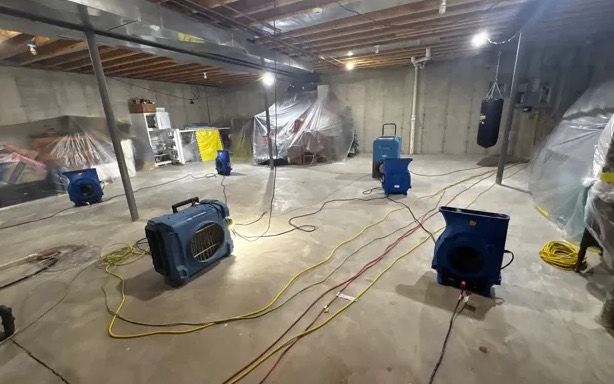
Professional Basement Water Damage Restoration in Montrose-Ghent, OH
Basements collect water from every direction: rain seeping through walls, groundwater pushing up through the slab, sewage backing up through floor drains and pipes bursting overhead. In a Montrose-Ghent home with a basement or below-grade room, any of these can leave inches of water on the floor.
One burst pipe or heavy storm in Montrose-Ghent can flood a basement. Local water damage pros serve Montrose-Ghent and nearby Fairlawn, Copley and Richfield, with help available around the clock.
The Basement Water Damage Restoration Process in Montrose-Ghent
Basement Dehumidification
Large dehumidifiers pull moisture from the basement air so walls, framing and the slab can release their water.
Basement Water Extraction
Extraction starts at the lowest point, often near the floor drain or sump, and works outward until no pooled water remains.
Basement Wall Drying
Finished basement walls hide wet insulation and framing. Removing the bottom of the drywall lets air reach the cavity.
Basement Mold Prevention
After drying, an antimicrobial can be applied to framing and concrete that were wet, to slow mold on surfaces that stay in place.
Basement Sewer Backup Cleanup
After a sewer backup, cleanup and disinfection come before drying, so contaminated surfaces are not left in place.
Indicators for Basement Water Damage Restoration in Montrose-Ghent
Condensation on Windows or Pipes
Water beading on cold pipes or basement windows shows high humidity that keeps materials damp.
Damp or Musty Odors
A damp, earthy or musty smell in the basement often means hidden moisture in walls, carpet or the slab.
Peeling Paint or Wallpaper
Paint that peels or blisters on basement walls often has moisture behind it.
Wet or Stained Basement Walls
Dark, wet patches or tide lines on basement walls show where water seeped in or wicked up.
How Basement Water Damage Restoration Works in Montrose-Ghent
Step 1: Initial Assessment and Water Removal
The source and type of water are identified, and standing water is removed right away.
Step 2: Focused Drying of Materials
Walls, framing and the slab are dried with directed airflow, with wet insulation removed.
Step 3: Air Quality Management
Air scrubbers filter dust and odors from removal work while drying continues.
Step 4: Documentation for Restoration
Photos, readings and a list of removed materials are prepared for insurance and rebuilding.
Common Causes of Water Damage in Montrose-Ghent
Foundation Cracks and Leaks
Cracks in foundation walls let groundwater and melting snow seep into the basement.
High Water Table and Hydrostatic Pressure
A high water table pushes groundwater up through the slab and into the joints between wall and floor.
Water Heater or Appliance Leaks
Water heaters, washers and utility sinks in the basement can leak or fail without warning.
Window Well Flooding
Window wells without drains or covers fill with rain and leak through basement windows.
Home and Business Basement Water Damage Restoration in Montrose-Ghent
Residential Basement Water Damage Restoration
Homeowners with older basements may have seepage that returns with each storm. Drying fixes the current damage, and the source is noted for a waterproofing contractor.
Commercial Basement Water Damage Restoration
Apartment and condo buildings with shared basements or lower levels may have laundry and storage below grade. Each area is extracted, dried and recorded for the building manager.
Professional Basement Water Damage Restoration or DIY in Montrose-Ghent?
Do not walk into standing basement water if outlets, cords or appliances are submerged. Shut off power at the panel if you can reach it safely, then call (216) 238-6265.
What Influences Basement Water Damage Restoration Cost in Montrose-Ghent
Before pricing basement water damage restoration in Montrose-Ghent, the pros check the water depth, the type of water and what the basement is finished with.
Dehumidification Needs
Large dehumidifiers may need to run longer in below-grade spaces than in upper floors.
Access Complexity
Narrow stairs, low ceilings and stored contents can make the work slower.
Emergency Service
Night, weekend and storm calls can cost more than a scheduled visit.
Does Insurance Cover Basement Water Damage Restoration?
Photograph the water level, damaged belongings and appliances before cleanup starts, and keep receipts for emergency pumping and drying to send to your insurer.
Benefits of Local Pros for Basement Water Damage Restoration in Montrose-Ghent
24/7 Emergency Response
Help is available day or night when water is rising in the basement.
Industry Drying Standards
Drying follows industry water damage standards, with readings taken at every visit.
Mold Prevention Focus
Fast drying is the main way to limit microbial growth in a below-grade space.
Round-the-Clock Emergency Basement Water Damage Restoration in Montrose-Ghent
Every hour of standing water in a basement means more drywall and flooring to replace. Call (216) 238-6265 for basement water damage restoration in Montrose-Ghent.
Call Now (216) 238-6265Basement Water Damage Restoration Near Montrose-Ghent: Areas Served
Help with basement water damage restoration reaches Fairlawn, Copley and Richfield, plus other communities around Montrose-Ghent, for finished and unfinished basements alike.
- Basement Water Damage Restoration in Fairlawn
- Basement Water Damage Restoration in Copley
- Basement Water Damage Restoration in Richfield
- Basement Water Damage Restoration in Sharon Center
- Basement Water Damage Restoration in Hinckley
- Basement Water Damage Restoration in Bath
- Basement Water Damage Restoration in Hudson
- Basement Water Damage Restoration in Cuyahoga Falls
- Emergency Damage Restoration in 44210
- Storm Damage Restoration in 44210
- Water Damage Restoration in 44210
- Water Extraction Service in 44210
- Water Leak Detection in 44210
- Water Removal Service in 44210
- Emergency Damage Restoration in 44333
- Storm Damage Restoration in 44333
Basement Water Damage Restoration FAQs
Can wet basement drywall be saved after water damage?
Sometimes, if the water was clean and removed quickly. Soaked or sewage-contaminated drywall is cut out above the water line.
How long does below-grade drying take after a flood?
Often several days or longer, since concrete and cool basement air dry slowly. Daily readings show progress.
How is basement restoration documented for insurance?
With photos of the water level and damage, moisture readings, a list of removed materials and daily drying logs.
Why is dehumidification so important after basement water removal?
Basements hold moisture in the air and concrete. Without dehumidifiers, walls and framing stay damp long after the water is gone.
Why is quick action important for below-grade flood restoration?
Basements dry slowly, so every hour of standing water adds days of drying and more material to replace.