University Heights, OH · Cuyahoga County
Basement Water Damage Restoration in University Heights, OHBasement Drying Services & Basement Water Extraction
Get basement water damage restoration in University Heights for basement floor water removal, basement mold prevention and basement drying services.
Answered 24/7
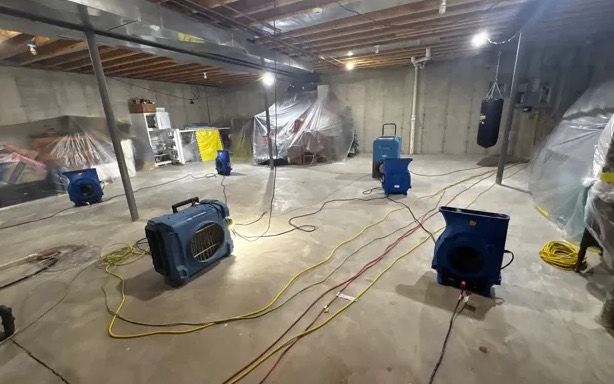
Expert Basement Water Damage Restoration Serving University Heights
A basement dries slower than any other part of a house. The air is cool, there is little sunlight and the concrete holds moisture for a long time. In University Heights, that makes extraction and steady dehumidification important.
Homeowners in University Heights can call (216) 238-6265 day or night when water is rising in the basement. Service also covers Shaker Heights, Cleveland Heights and South Euclid, with the same pumping and drying steps.
Basement Water Damage Restoration Solutions Available in University Heights
Basement Drying Services
Equipment is adjusted each day based on moisture readings until every material reaches its normal level.
Basement Water Extraction
Basement water is removed before drying starts, because every gallon left behind keeps the walls and air damp.
Basement Sewer Backup Cleanup
After a sewer backup, cleanup and disinfection come before drying, so contaminated surfaces are not left in place.
Basement Floor Water Removal
Water on a concrete floor is squeegeed and extracted, and floor coverings such as carpet, vinyl or laminate are lifted to dry the slab.
Basement Wall Drying
Concrete and block walls are dried with directed airflow and dehumidifiers, and checked with meters until readings drop.
Indicators for Basement Water Damage Restoration in University Heights
Rusted Appliances or Pipes
Rust on the water heater, furnace base or pipes points to repeated moisture or past flooding.
High Humidity Levels Below-Grade
A basement that stays damp and clammy even on dry days has a moisture source that needs attention.
Warped or Buckling Basement Floors
Laminate, wood or vinyl flooring that buckles or lifts in the basement has water underneath.
Wet or Stained Basement Walls
Dark, wet patches or tide lines on basement walls show where water seeped in or wicked up.
How Basement Water Damage Restoration Works in University Heights
Step 1: Initial Assessment and Water Removal
The source and type of water are identified, and standing water is removed right away.
Step 2: Focused Drying of Materials
Walls, framing and the slab are dried with directed airflow, with wet insulation removed.
Step 3: Air Quality Management
Air scrubbers filter dust and odors from removal work while drying continues.
Step 4: Documentation for Restoration
Photos, readings and a list of removed materials are prepared for insurance and rebuilding.
Why Basement Water Damage Occurs in University Heights
High Water Table and Hydrostatic Pressure
A high water table pushes groundwater up through the slab and into the joints between wall and floor.
Overland Flooding From Storms
Heavy storms and snowmelt can send surface water into basements through doors and walls.
Stormwater Runoff Into Lower Levels
Heavy rain running off hard ground or a sloped yard can pour down stairwells and under doors into below-grade rooms.
Window Well Flooding
Window wells without drains or covers fill with rain and leak through basement windows.
Residential and Commercial Basement Water Damage Restoration in University Heights
Residential Basement Water Damage Restoration
In homes, a flooded basement often means damaged carpet, drywall, a furnace or water heater and stored belongings. Water is pumped out, contents are moved and the space is dried.
Commercial Basement Water Damage Restoration
In commercial buildings, basements hold mechanical rooms, storage and sometimes offices. Water is removed and equipment areas are dried so systems can be checked and restarted.
Basement Water Damage Restoration vs. DIY: When to Call the Pros
Do not walk into standing basement water if outlets, cords or appliances are submerged. Shut off power at the panel if you can reach it safely, then call (216) 238-6265.
What Influences Basement Water Damage Restoration Cost in University Heights
The cost of basement water damage restoration in University Heights depends on how much water there is, whether it is clean or sewage and how much finished material must be removed.
Material Saturation
Finished basements with carpet, drywall and insulation take more removal work than bare concrete.
Dehumidification Needs
Large dehumidifiers may need to run longer in below-grade spaces than in upper floors.
Affected Square Footage
Larger basements need more extraction, more drying equipment and more days of drying time.
Does Insurance Cover Basement Water Damage Restoration?
Many homeowner policies cover sudden basement water from a burst pipe, but not seepage or groundwater. Sewer backup coverage is often a separate add-on, so check your policy.
The Value of Local Pros for Basement Water Damage Restoration in University Heights
Detailed Documentation
Photos, readings and drying logs are kept to support your insurance claim.
Water Extraction First
Water is removed from floors, carpet and pad before drying starts, which shortens drying time.
Mold Prevention Focus
Fast drying is the main way to limit microbial growth in a below-grade space.
Emergency Basement Water Damage Restoration Available in University Heights
If water is near outlets or the electrical panel, do not walk into it. Call (216) 238-6265 for help in University Heights and wait for the power to be made safe.
Call Now (216) 238-6265Basement Water Damage Restoration Available Throughout Cuyahoga County
Help with basement water damage restoration reaches Shaker Heights, Cleveland Heights and South Euclid, plus other communities around University Heights, for finished and unfinished basements alike.
- Basement Water Damage Restoration in Shaker Heights
- Basement Water Damage Restoration in Cleveland Heights
- Basement Water Damage Restoration in South Euclid
- Basement Water Damage Restoration in Beachwood
- Basement Water Damage Restoration in Lyndhurst
- Basement Water Damage Restoration in Woodmere
- Basement Water Damage Restoration in Warrensville Heights
- Basement Water Damage Restoration in Mayfield Heights
- Emergency Damage Restoration in 44118
- Storm Damage Restoration in 44118
- Water Damage Restoration in 44118
- Water Extraction Service in 44118
- Water Leak Detection in 44118
- Water Removal Service in 44118
Frequently Asked Questions About Basement Water Damage Restoration
What is the priority during emergency basement flood cleanup?
Safety first, especially electrical hazards, then stopping the source and pumping out the water as quickly as possible.
Is basement floor water removal different from carpet extraction?
Yes. Bare concrete is squeegeed and dried, while carpet and pad need extraction, and the pad is usually replaced.
What are signs of hidden moisture after below-grade water extraction?
Musty smells, tide lines on walls, damp carpet edges and moisture readings that stay high in walls or the slab.
Does basement mold prevention need special steps after flooding?
Fast drying is the main step. Wood and concrete that stayed wet can be treated with an antimicrobial once dry.
How is basement restoration documented for insurance?
With photos of the water level and damage, moisture readings, a list of removed materials and daily drying logs.