Lyndhurst, OH · Cuyahoga County
Basement Water Extraction in Lyndhurst, OHFoundation Leak Water Extraction & Sump Pump Failure Water Removal
Get basement water extraction in Lyndhurst for foundation leak water extraction, emergency basement drying and basement mold prevention services.
Answered 24/7
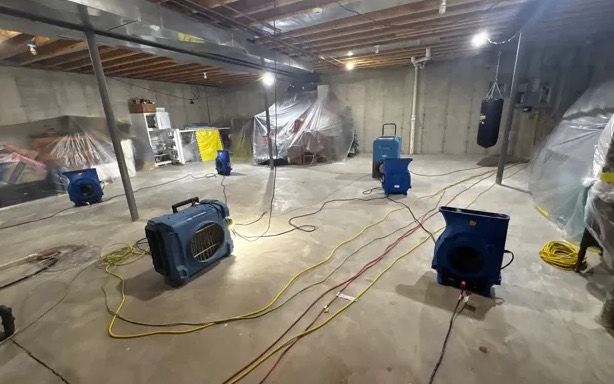
Reliable Basement Water Extraction for Properties in Lyndhurst
A flooded basement in Lyndhurst needs safety checks before anyone walks in. Water near outlets, the furnace or the electrical panel can be dangerous.
In Lyndhurst, when a basement or below-grade room floods, it is usually after heavy rain or a burst pipe. Local water extraction pros serve Lyndhurst, South Euclid, Mayfield Heights and Highland Heights, pumping out water and starting drying.
Comprehensive Basement Water Extraction Services in Lyndhurst
Foundation Leak Water Extraction
Moisture meters show how far seepage spread behind finished walls, so the right sections are opened and dried.
Sump Pump Failure Water Removal
When a sump pump fails, groundwater fills the pit and spreads across the floor. The water is pumped out and the floor and walls are extracted.
Basement Flood Water Extraction
Water is pumped to a safe discharge point outside, away from the foundation, so it does not seep back in.
Basement Mold Prevention Services
Keeping basement humidity down after drying helps keep mold from returning, especially behind finished walls.
Basement Sewage Backup Cleanup
Sewage cleanup comes before drying. Contaminated surfaces are cleaned first so drying does not lock contamination in place.
Warning Signs of a Basement Flood in Lyndhurst
Mold or Mildew
Dark spots on drywall, framing or stored boxes mean an area has been damp for days.
Peeling Paint or Bubbling Drywall
Bubbling drywall or peeling paint on lower walls usually has moisture behind it.
Damp or Wet Carpeting
Carpet that feels damp or cold underfoot is holding water in the pad against the concrete.
High Humidity and Condensation
Water beading on pipes and windows, or a constantly damp feel, means humidity is too high.
How Basement Water Extraction Works in Lyndhurst
Step 1: Initial Flood Water Pump Out
Submersible pumps remove deep water, starting at the lowest point near the floor drain.
Step 2: Material-Specific Water Removal
Carpet, pad, drywall and flooring are each extracted, dried or removed based on readings.
Step 3: Controlled Drying
Dehumidifiers and air movers keep humidity low so walls and concrete can release their water.
Step 4: Final Sanitizing and Odor Control
Remaining surfaces are cleaned, and musty or sewage odors are addressed before repairs.
Frequent Reasons for Basement Water Extraction in Lyndhurst
Clogged or Damaged Gutters
Overflowing gutters and short downspouts dump roof water right next to basement walls.
Appliance Malfunctions and Overflows
Washers, utility sinks and dehumidifier drains in the basement can overflow or leak.
Sewer Line Backup or Blockage
Tree roots, grease or a collapsed pipe can block the sewer line and push wastewater back up.
Heavy Rainfall or Storm Flooding
Heavy rain saturates the soil around the foundation and pushes water into the basement.
Basement Water Extraction for Homes and Businesses in Lyndhurst
Residential Basement Water Extraction
Homeowners with finished basements need carpet, pad and lower drywall checked closely. Wet materials are removed so the framing and slab can dry fully.
Commercial Basement Water Extraction
Businesses with below-grade inventory need wet stock moved out and documented. Extraction and drying are planned around operations where possible.
Why DIY Basement Water Extraction Often Falls Short in Lyndhurst
Checking appliance hoses and keeping downspouts pointed away from the house are good DIY steps before storm season. Once water is on the floor, call (216) 238-6265.
Understanding Basement Water Extraction Cost in Lyndhurst
The cost of basement water extraction in Lyndhurst depends on how deep the water is, whether it is clean or sewage, and how much finished material must be removed.
Basement Finishes and Materials
Finished basements with carpet, drywall and laminate need more removal than bare concrete.
Mold Prevention Measures
Antimicrobial treatment of framing and concrete that stayed wet is an added step.
Required Drying Time
Basements dry slowly, and each extra day of equipment adds to the cost.
Does Insurance Cover Basement Water Extraction?
Water from outside flooding usually needs a separate flood policy. Water from inside the house is more often covered by a standard policy.
Benefits of Local Pros for Basement Water Extraction in Lyndhurst
Structural Drying Focus
Walls, framing and the slab are dried, not just the floor surface.
Contaminated Water Protocols
Sewage and dirty water are handled with protective gear, containment and disinfection.
Detailed Damage Documentation
Photos, readings and drying logs are kept to support your insurance claim.
Urgent Basement Water Extraction Available Day or Night in Lyndhurst
Standing water in a basement soaks walls and floors by the hour. Call (216) 238-6265 for basement water extraction in Lyndhurst at any time of day or night.
Call Now (216) 238-6265Local Basement Water Extraction Coverage for Lyndhurst and Surroundings
Help with basement water extraction reaches South Euclid, Mayfield Heights and Highland Heights, plus other communities around Lyndhurst, for finished and unfinished basements alike.
- Basement Water Extraction in South Euclid
- Basement Water Extraction in Mayfield Heights
- Basement Water Extraction in Highland Heights
- Basement Water Extraction in Richmond Heights
- Basement Water Extraction in University Heights
- Basement Water Extraction in Pepper Pike
- Basement Water Extraction in Cleveland Heights
- Basement Water Extraction in Shaker Heights
Your Basement Water Extraction Questions Addressed
How is basement water damage documented for insurance?
With photos of the water level and damage, moisture readings, removed materials and daily drying logs.
Does basement water extraction include odor removal?
Removing wet materials and drying usually clears odors. Extra cleaning or air scrubbing is used if a smell remains.
How is moisture removal verified after basement drying?
Readings on walls, framing and slab are compared to dry areas until they match.
What makes sewage backup cleanup different?
Sewage carries bacteria, so it needs protective gear, containment, removal of porous materials and disinfection before drying.
What are the risks of delaying wet basement cleanup?
More drywall, flooring and framing to replace, longer drying times, odors and a higher risk of microbial growth.