Bath, OH · Summit County
Basement Water Removal in Bath, OHBasement Drying Services & Basement Wall Drying
After a burst pipe or storm, Basement Water Removal in Bath means basement water pump out, basement wall drying and basement drying services.
Answered 24/7
Local Basement Water Removal Services for Bath
Basement Water Removal in Bath protects more than the floor. Furnaces, water heaters, washers and stored belongings in the basement can all be damaged by standing water.
Homeowners in Bath can call (216) 238-6265 day or night when the basement is taking on water. Service also covers Montrose-Ghent, Richfield and Fairlawn, with the same pumping and drying steps.
Professional Basement Water Removal Offerings
Basement Drying Services
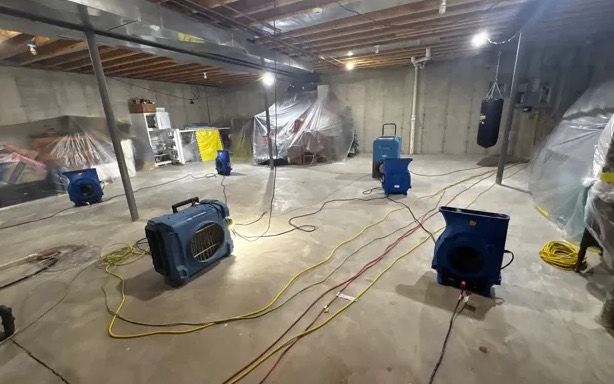
Equipment stays until the basement reads dry, not just until it looks dry. Removing it early lets dampness return.
Basement Wall Drying
Opening the bottom of finished walls lets air reach the studs and sill plate, which otherwise stay wet behind the drywall.
Basement Moisture Inspection
An inspection shows how high water wicked up the walls and how far it spread under flooring, which sets the drying plan.
Emergency Basement Flooding
Emergency response starts with making power safe, stopping the source if possible and pumping out the water.
Basement Water Pump Out
A pump-out removes standing water from the basement with submersible pumps, discharging it outside and away from the foundation.
Warning Signs You Need Basement Water Removal
Efflorescence on Concrete Walls
White, powdery deposits on concrete walls mean water is passing through the masonry.
Mold or Mildew
Dark spots on drywall, framing or stored items mean the area has stayed wet for days.
Gurgling Sounds From Drains
Gurgling floor drains or slow drains can be an early sign of a sewer line problem.
Musty Odors and Mold Smell
A musty or damp smell in the basement points to wet materials hidden somewhere in the space.
How Basement Water Removal Works in Bath
Step 1: Safety Assessment and Pump Out
Electrical hazards are checked, then deep water is pumped outside away from the foundation.
Step 2: Content Removal and Damage Documentation
Wet belongings are moved, and photos record the water level and damaged materials.
Step 3: Targeted Water Removal and Drying
Carpet is extracted, wet drywall is cut back and air is aimed at walls and the slab.
Step 4: Sanitization and Moisture Control
Surfaces touched by dirty water are disinfected, and dehumidifiers keep humidity low.
Why Basements Flood in Bath
Improper Landscape Grading
Soil that slopes toward the house directs rainwater straight to the basement walls.
High Water Table and Hydrostatic Pressure
A high water table presses groundwater against the slab and walls, forcing it inside.
Sewer Line Backups and Blockages
A blocked sewer line can push wastewater up through basement floor drains and toilets.
Heavy Rainfall and Storm Flooding
Heavy rain saturates the soil and pushes water through walls, cracks and the floor joint.
Professional Basement Water Removal for All Properties
Residential Basement Water Removal
Finished basements used as bedrooms or family rooms need careful moisture checks behind walls and under flooring, since that is where water hides.
Commercial Basement Water Removal
Businesses with below-grade storage need wet inventory moved out and documented. Drying is planned around daily operations wherever possible.
Basement Water Removal vs. DIY: When to Call the Pros
You can move belongings up off the floor and run the dehumidifier you already own. Drying soaked walls and slab needs larger equipment and readings to confirm the job is done.
Understanding Basement Water Removal Pricing
A basement pumped out the same day in Bath usually needs less drywall and flooring replaced than one left wet for days.
Basement Square Footage
Larger basements need more extraction, more drying equipment and more days of drying.
Contamination Level
Sewage or dirty water needs protective gear, removal and disinfection, which costs more.
Water Depth and Volume
Deeper water takes more pumping time and usually means more materials got wet.
Does Insurance Cover Basement Water Removal?
Flooding from outside water usually needs separate flood insurance. Water from a broken pipe or appliance inside is more often covered.
Benefits of Hiring Local Pros for Basement Water Removal in Bath
Industry Drying Standards
Water removal and drying follow industry water damage standards, with readings at every visit.
Methodical Water Removal Process
Water is removed in a set order: pump-out, extraction, removal of soaked materials, then drying.
Moisture Inspection
Meters and thermal cameras find water in walls, floors and slab that looks dry.
24/7 Emergency Basement Water Removal in Bath
Basement taking on water in Bath? Make power safe if you can, move what you can and call (216) 238-6265. Help is available 24/7.
Call Now (216) 238-6265Basement Water Removal Serving Bath and Surroundings
Help with basement water removal reaches Montrose-Ghent, Richfield and Fairlawn, plus other communities around Bath, for finished and unfinished basements alike.
Frequently Asked Basement Water Removal Questions
Why is fast water removal so important for basements?
Basements dry slowly, so every hour of standing water adds drying days and more materials to replace.
Is a sump pump failure an emergency?
Yes, especially during rain. Groundwater can rise quickly once the pump stops, flooding the floor and finished rooms.
What is emergency basement flooding response?
Help any hour to make power safe, stop the source, pump out water and start drying before more damage sets in.
How is contaminated water handled in a basement?
With protective gear, containment, removal of porous materials and disinfection of hard surfaces before drying.
What is the difference between a pump out and extraction?
A pump out removes deep standing water. Extraction pulls the remaining water from carpet, pad and floors.