Fairlawn, OH · Summit County
Basement Water Removal in Fairlawn, OHBasement Moisture Inspection & Basement Water Pump Out
Basement Water Removal in Fairlawn runs from basement water pump out and basement drying services to basement dehumidification.
Answered 24/7
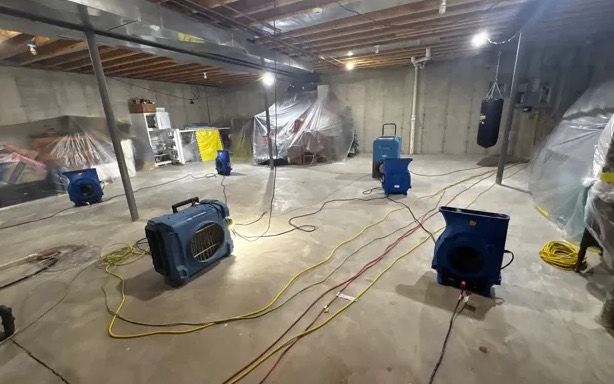
Local Basement Water Removal Services for Fairlawn
A wet basement gets worse every hour the water stays. In Fairlawn, water on a basement floor wicks up drywall, soaks carpet pad and seeps into the concrete, and cool below-grade air keeps it from drying on its own.
Homes in Fairlawn and nearby Montrose-Ghent, Copley and Sharon Center with basements face storm seepage, sewer backups and plumbing leaks. Help with basement water removal covers pump-out, wall and floor drying and dehumidification.
Specialized Basement Water Removal for Fairlawn
Basement Moisture Inspection
Readings are recorded at each visit, giving you and your insurer a clear record of the drying.
Basement Water Pump Out
Pumping starts once power to the basement is safe. Deep water goes first, then extractors handle the thin layer left on the floor.
Sump Pump Failure Water Cleanup
A backup pump or battery system is worth discussing with a plumber after the cleanup, since sump failures often repeat in storms.
Basement Drying Services
Equipment stays until the basement reads dry, not just until it looks dry. Removing it early lets dampness return.
Basement Dehumidification
Dehumidifiers run continuously during drying, and their output is checked to track how much water is still coming out of the materials.
Common Symptoms Requiring Basement Water Removal
Mold or Mildew
Dark spots on drywall, framing or stored items mean the area has stayed wet for days.
Rusted Appliances or Furniture
Rust on appliance bases, furniture legs or metal shelving points to standing water or long-term dampness.
Efflorescence on Concrete Walls
White, powdery deposits on concrete walls mean water is passing through the masonry.
Gurgling Sounds From Drains
Gurgling floor drains or slow drains can be an early sign of a sewer line problem.
How Basement Water Removal Works in Fairlawn
Step 1: Safety Assessment and Pump Out
Electrical hazards are checked, then deep water is pumped outside away from the foundation.
Step 2: Content Removal and Damage Documentation
Wet belongings are moved, and photos record the water level and damaged materials.
Step 3: Targeted Water Removal and Drying
Carpet is extracted, wet drywall is cut back and air is aimed at walls and the slab.
Step 4: Sanitization and Moisture Control
Surfaces touched by dirty water are disinfected, and dehumidifiers keep humidity low.
Common Causes of Basement Flooding in Fairlawn
Clogged or Damaged Gutters
Clogged gutters and short downspouts dump roof water right next to the foundation.
Foundation Cracks and Seepage
Cracks in foundation walls and the slab let groundwater seep in during wet weather.
Sewer Line Backups and Blockages
A blocked sewer line can push wastewater up through basement floor drains and toilets.
High Water Table and Hydrostatic Pressure
A high water table presses groundwater against the slab and walls, forcing it inside.
Both Residential & Commercial Basement Water Removal
Residential Basement Water Removal
Finished basements used as bedrooms or family rooms need careful moisture checks behind walls and under flooring, since that is where water hides.
Commercial Basement Water Removal
Businesses with below-grade storage need wet inventory moved out and documented. Drying is planned around daily operations wherever possible.
Basement Water Removal vs. DIY: When to Call the Pros
Water that came up through a floor drain may be sewage. Avoid touching it, keep children and pets away and call local basement drying experts for cleanup with protective gear and disinfection.
Basement Water Removal Cost in Fairlawn, OH
The cost of basement water removal in Fairlawn depends on how deep the water is, what type of water it is and how much finished material has to come out.
Water Depth and Volume
Deeper water takes more pumping time and usually means more materials got wet.
Affected Materials
Finished walls, carpet and laminate take more removal work than bare concrete.
Basement Square Footage
Larger basements need more extraction, more drying equipment and more days of drying.
Does Insurance Cover Basement Water Removal?
Ask your adjuster early how your policy treats seepage and sewer backups, since many policies limit or exclude both kinds of water.
Why Choose Local Pros for Basement Water Removal in Fairlawn
Contamination Safety Protocols
Sewage and dirty water are handled with protective gear, containment and disinfection.
24/7 Emergency Response
Help is available day or night when water is rising in the basement.
Industry Drying Standards
Water removal and drying follow industry water damage standards, with readings at every visit.
24/7 Emergency Basement Water Removal in Fairlawn
Standing water in a basement soaks walls and floors by the hour. Call (216) 238-6265 for basement water removal in Fairlawn at any time, day or night.
Call Now (216) 238-6265Local Basement Water Removal Coverage for Montrose-Ghent, Copley and Sharon Center
Basement water removal also covers homes and buildings in Montrose-Ghent, Copley and Sharon Center, close to Fairlawn, day or night.
- Basement Water Removal in Montrose-Ghent
- Basement Water Removal in Copley
- Basement Water Removal in Sharon Center
- Basement Water Removal in Akron
- Basement Water Removal in Norton
- Basement Water Removal in Bath
- Basement Water Removal in Cuyahoga Falls
- Basement Water Removal in Barberton
- Emergency Damage Restoration in 44334
- Storm Damage Restoration in 44334
- Water Damage Restoration in 44334
- Water Extraction Service in 44334
- Water Leak Detection in 44334
- Water Removal Service in 44334
Frequently Asked Basement Water Removal Questions
Does basement flood cleanup include mold prevention?
Fast drying is the main prevention. Wood and concrete that stayed wet can be treated with an antimicrobial once dry.
Can wet drywall in a basement be saved?
Sometimes, if the water was clean and removed quickly. Soaked or contaminated drywall is cut out above the water line.
How is contaminated water handled in a basement?
With protective gear, containment, removal of porous materials and disinfection of hard surfaces before drying.
What is the difference between a pump out and extraction?
A pump out removes deep standing water. Extraction pulls the remaining water from carpet, pad and floors.
How does a basement moisture inspection work?
Moisture meters and thermal cameras check walls, floors and the slab, including behind finished walls and under flooring.