Cuyahoga Falls, OH · Summit County
Basement Water Removal in Cuyahoga Falls, OHBasement Floor Water Damage & Basement Dehumidification
Homeowners in Cuyahoga Falls get Basement Water Removal for basement floor water damage, basement water pump out and basement moisture inspection.
Answered 24/7
Professional Basement Water Removal in Cuyahoga Falls, OH
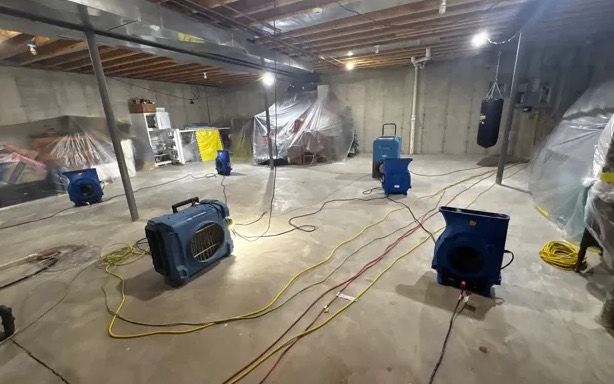
Dehumidification is the slow but necessary part of basement water removal in Cuyahoga Falls. Pumps remove standing water quickly, but walls and concrete keep releasing moisture for days.
A finished basement or lower level in Cuyahoga Falls or Munroe Falls, Stow and Tallmadge can hide water under flooring and behind drywall. The pros find and remove it before it causes lasting damage.
Specialized Basement Water Removal for Cuyahoga Falls
Basement Floor Water Damage
Concrete floors are squeegeed, extracted and dried with airflow and dehumidifiers until moisture readings drop.
Basement Dehumidification
After drying, a household dehumidifier may still be needed to keep basement humidity in a healthy range.
Sump Pump Failure Water Cleanup
A backup pump or battery system is worth discussing with a plumber after the cleanup, since sump failures often repeat in storms.
Basement Moisture Inspection
Moisture meters and thermal cameras check walls, floors and the slab for water that is not visible, including behind finished walls.
Emergency Basement Flooding
Help is available any hour when water is rising in the basement from a storm, a sewer backup or a burst pipe.
Signs of Basement Water Damage in Cuyahoga Falls
Wet or Damp Basement Walls
Basement walls that look dark, feel damp or show tide lines are taking on or holding water.
Rusted Appliances or Furniture
Rust on appliance bases, furniture legs or metal shelving points to standing water or long-term dampness.
Gurgling Sounds From Drains
Gurgling floor drains or slow drains can be an early sign of a sewer line problem.
Water Stains on Walls or Ceiling
Stains on lower walls or the ceiling below a bathroom or kitchen point to a leak.
How Basement Water Removal Works in Cuyahoga Falls
Step 1: Safety Assessment and Pump Out
Electrical hazards are checked, then deep water is pumped outside away from the foundation.
Step 2: Content Removal and Damage Documentation
Wet belongings are moved, and photos record the water level and damaged materials.
Step 3: Targeted Water Removal and Drying
Carpet is extracted, wet drywall is cut back and air is aimed at walls and the slab.
Step 4: Sanitization and Moisture Control
Surfaces touched by dirty water are disinfected, and dehumidifiers keep humidity low.
Common Causes of Basement Flooding in Cuyahoga Falls
Foundation Cracks and Seepage
Cracks in foundation walls and the slab let groundwater seep in during wet weather.
Sump Pump Malfunction or Power Loss
A sump pump that fails mechanically or loses power during a storm lets groundwater rise.
High Water Table and Hydrostatic Pressure
A high water table presses groundwater against the slab and walls, forcing it inside.
Sewer Line Backups and Blockages
A blocked sewer line can push wastewater up through basement floor drains and toilets.
Residential and Commercial Basement Water Removal in Cuyahoga Falls
Residential Basement Water Removal
Older homes with a basement may see seepage with every heavy storm. Water removal handles the current damage, and the entry point is noted for a waterproofing contractor.
Commercial Basement Water Removal
Multi-unit buildings with shared basements need each storage and laundry area pumped, dried and documented for the property manager.
Basement Water Removal vs. DIY: When to Call the Pros
Fans by themselves can spread damp basement air through the rest of the house. Basement drying needs dehumidifiers that pull moisture out of both the air and the concrete.
Understanding Basement Water Removal Pricing
The pros look at water depth, water type and basement finishes before pricing basement water removal in Cuyahoga Falls, then explain the scope.
Time of Service
Night, weekend and storm calls can cost more than a scheduled weekday visit.
Basement Square Footage
Larger basements need more extraction, more drying equipment and more days of drying.
Drying Time Required
Basements dry slowly, and each extra day of equipment adds to the total.
Does Insurance Cover Basement Water Removal?
Coverage for basement water removal depends on the water source and your policy. The pros document the damage and drying, and your insurer decides what is covered.
Advantages of Local Basement Water Removal Experts
Industry Drying Standards
Water removal and drying follow industry water damage standards, with readings at every visit.
Focus on Drying Outcomes
Drying continues until readings are normal, not just until surfaces look dry.
Methodical Water Removal Process
Water is removed in a set order: pump-out, extraction, removal of soaked materials, then drying.
24/7 Basement Water Removal When You Need It
If water is near outlets, the furnace or the electrical panel, stay out of it. Call (216) 238-6265 for help in Cuyahoga Falls and wait for power to be made safe.
Call Now (216) 238-6265Basement Water Removal Near Cuyahoga Falls: Areas Served
Need basement water removal outside Cuyahoga Falls? Service also covers Munroe Falls, Stow and Tallmadge, including emergency help during storms.
- Basement Water Removal in Munroe Falls
- Basement Water Removal in Stow
- Basement Water Removal in Tallmadge
- Basement Water Removal in Akron
- Basement Water Removal in Kent
- Basement Water Removal in Hudson
- Basement Water Removal in Fairlawn
- Basement Water Removal in Montrose-Ghent
- Emergency Damage Restoration in 44221
- Storm Damage Restoration in 44221
- Water Damage Restoration in 44221
- Water Extraction Service in 44221
- Water Leak Detection in 44221
- Water Removal Service in 44221
- Emergency Damage Restoration in 44222
- Storm Damage Restoration in 44222
Answers to Top Basement Water Removal Queries
How is basement wall drying done?
Wet drywall is cut back, insulation removed and directed airflow and dehumidifiers dry the studs and masonry.
Can I dry my basement myself with fans?
Fans help with surface water, but walls and concrete need dehumidifiers and readings to dry fully.
What causes basement floor water damage?
Storm seepage, burst pipes, appliance leaks, foundation cracks and sewer backups through floor drains are the usual sources.
How does a basement moisture inspection work?
Moisture meters and thermal cameras check walls, floors and the slab, including behind finished walls and under flooring.
Why is fast water removal so important for basements?
Basements dry slowly, so every hour of standing water adds drying days and more materials to replace.