Beachwood, OH · Cuyahoga County
Basement Water Removal in Beachwood, OHBasement Wall Drying & Basement Water Pump Out
Basement Water Removal in Beachwood runs from basement water pump out and basement drying services to basement dehumidification.
Answered 24/7
Basement Water Removal Solutions for Beachwood Homeowners
In Beachwood, a burst pipe or heavy rain can let water rise fast in a basement. The water usually spreads from the low point across the whole floor and into finished rooms.
In Beachwood, when a basement or below-grade room takes on water, it usually follows heavy rain, a sewer backup or a burst pipe. Local basement water removal pros serve Beachwood, Woodmere, Shaker Heights and Orange, pumping water out and drying the space.
Specialized Basement Water Removal for Beachwood
Basement Wall Drying
Basement walls are checked with moisture meters. Wet drywall is cut back above the water line, and insulation behind it is removed.
Basement Water Pump Out
When water is more than an inch or two deep, pumps move it far faster than wet vacs, which limits how long walls sit in water.
Basement Dehumidification
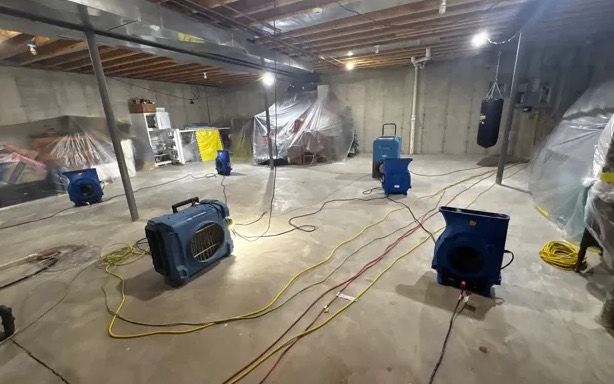
Dehumidifiers run continuously during drying, and their output is checked to track how much water is still coming out of the materials.
Basement Floor Water Damage
Water on a basement floor soaks into carpet pad, laminate seams and the concrete itself. Floor coverings are lifted where needed so the slab can dry.
Basement Drying Services
Equipment stays until the basement reads dry, not just until it looks dry. Removing it early lets dampness return.
Indicators You Need Professional Water Removal
Musty Odors and Mold Smell
A musty or damp smell in the basement points to wet materials hidden somewhere in the space.
Efflorescence on Concrete Walls
White, powdery deposits on concrete walls mean water is passing through the masonry.
Rusted Appliances or Furniture
Rust on appliance bases, furniture legs or metal shelving points to standing water or long-term dampness.
Wet or Damp Basement Walls
Basement walls that look dark, feel damp or show tide lines are taking on or holding water.
How Basement Water Removal Works in Beachwood
Step 1: Emergency Water Extraction
Power is made safe, then pumps and extractors remove standing water from the basement floor.
Step 2: Detailed Moisture Inspection
Meters map wet walls, framing and slab areas, including behind finished walls and under flooring.
Step 3: Drying and Dehumidification
Air movers and large dehumidifiers run continuously, with readings checked every day.
Step 4: Final Verification and Monitoring
Readings are compared to dry areas, and equipment is removed only when the basement tests dry.
Sources of Basement Water Problems
Clogged or Damaged Gutters
Clogged gutters and short downspouts dump roof water right next to the foundation.
Foundation Cracks and Seepage
Cracks in foundation walls and the slab let groundwater seep in during wet weather.
High Water Table and Hydrostatic Pressure
A high water table presses groundwater against the slab and walls, forcing it inside.
Plumbing Leaks or Pipe Bursts
Supply lines, drain pipes and water heaters in the basement can leak or burst onto the floor.
Both Residential & Commercial Basement Water Removal
Residential Basement Water Removal
Finished basements used as bedrooms or family rooms need careful moisture checks behind walls and under flooring, since that is where water hides.
Commercial Basement Water Removal
Businesses with below-grade storage need wet inventory moved out and documented. Drying is planned around daily operations wherever possible.
The Risks of DIY Basement Water Removal
You can move belongings up off the floor and run the dehumidifier you already own. Drying soaked walls and slab needs larger equipment and readings to confirm the job is done.
Understanding Basement Water Removal Pricing
Sewage cleanup, finished walls, after-hours calls and damaged appliances all add to the total for basement water removal in Beachwood.
Contamination Level
Sewage or dirty water needs protective gear, removal and disinfection, which costs more.
Water Depth and Volume
Deeper water takes more pumping time and usually means more materials got wet.
Drying Time Required
Basements dry slowly, and each extra day of equipment adds to the total.
Does Insurance Cover Basement Water Removal?
Ask your adjuster early how your policy treats seepage and sewer backups, since many policies limit or exclude both kinds of water.
Why Beachwood Homeowners Trust Local Pros for Basement Water Removal
Advanced Drying Equipment
Pumps, extractors and large dehumidifiers remove water much faster than household tools.
Moisture Inspection
Meters and thermal cameras find water in walls, floors and slab that looks dry.
24/7 Emergency Response
Help is available day or night when water is rising in the basement.
Emergency Basement Water Removal Available 24/7
Basement taking on water in Beachwood? Make power safe if you can, move what you can and call (216) 238-6265. Help is available 24/7.
Call Now (216) 238-6265Basement Water Removal Serving Beachwood and Surroundings
Help with basement water removal reaches Woodmere, Shaker Heights and Orange, plus other communities around Beachwood, for finished and unfinished basements alike.
- Basement Water Removal in Woodmere
- Basement Water Removal in Shaker Heights
- Basement Water Removal in Orange
- Basement Water Removal in Warrensville Heights
- Basement Water Removal in Pepper Pike
- Basement Water Removal in University Heights
- Basement Water Removal in Cleveland Heights
- Basement Water Removal in South Euclid
- Emergency Damage Restoration in 44122
- Storm Damage Restoration in 44122
- Water Damage Restoration in 44122
- Water Extraction Service in 44122
- Water Leak Detection in 44122
- Water Removal Service in 44122
Basement Water Removal FAQs
What is the difference between a pump out and extraction?
A pump out removes deep standing water. Extraction pulls the remaining water from carpet, pad and floors.
Does basement flood cleanup include mold prevention?
Fast drying is the main prevention. Wood and concrete that stayed wet can be treated with an antimicrobial once dry.
What is involved in basement leak cleanup?
Stopping the leak, extracting the water, drying the floor and walls and checking for hidden moisture under flooring.
How is contaminated water handled in a basement?
With protective gear, containment, removal of porous materials and disinfection of hard surfaces before drying.
Why is fast water removal so important for basements?
Basements dry slowly, so every hour of standing water adds drying days and more materials to replace.