Columbia Station, OH · Lorain County
Basement Water Removal in Columbia Station, OHBasement Drying Services & Basement Floor Water Damage
Get basement water removal in Columbia Station for emergency basement flooding, basement water pump out and basement floor water damage.
Answered 24/7
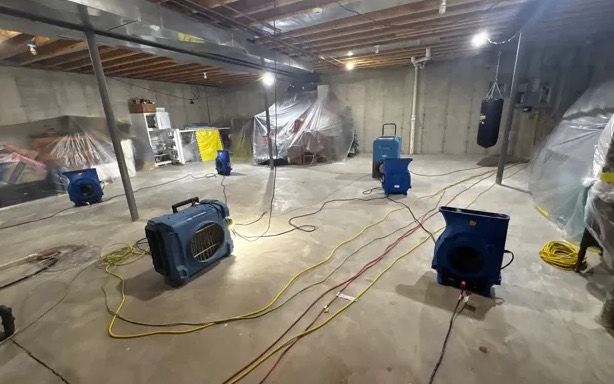
Basement Water Removal Solutions for Columbia Station Homeowners
In Columbia Station, a burst pipe or heavy rain can let water rise fast in a basement. The water usually spreads from the low point across the whole floor and into finished rooms.
A single storm or burst pipe in Columbia Station can flood a basement. Local water damage pros serve Columbia Station and nearby Olmsted Falls, Strongsville and Grafton, with help available around the clock.
Comprehensive Basement Water Removal Solutions
Basement Drying Services
Drying plans for basements account for cool air and thick concrete, which hold moisture longer than upper floors.
Basement Floor Water Damage
Flooring that buckled or swelled is removed. Tile and sealed concrete can often be cleaned and dried in place.
Emergency Basement Flooding
A flooded basement threatens the furnace, water heater and anything stored on the floor. Fast pumping protects what can still be saved.
Basement Water Pump Out
Pumping starts once power to the basement is safe. Deep water goes first, then extractors handle the thin layer left on the floor.
Basement Moisture Inspection
Readings are recorded at each visit, giving you and your insurer a clear record of the drying.
When to Call for Basement Water Removal in Columbia Station
Water Stains on Walls or Ceiling
Stains on lower walls or the ceiling below a bathroom or kitchen point to a leak.
Sump Pump Failure or Overflow
A sump pit that is full, overflowing or has a pump that will not start means water is about to spread.
Mold or Mildew
Dark spots on drywall, framing or stored items mean the area has stayed wet for days.
Gurgling Sounds From Drains
Gurgling floor drains or slow drains can be an early sign of a sewer line problem.
How Basement Water Removal Works in Columbia Station
Step 1: Emergency Water Extraction
Power is made safe, then pumps and extractors remove standing water from the basement floor.
Step 2: Detailed Moisture Inspection
Meters map wet walls, framing and slab areas, including behind finished walls and under flooring.
Step 3: Drying and Dehumidification
Air movers and large dehumidifiers run continuously, with readings checked every day.
Step 4: Final Verification and Monitoring
Readings are compared to dry areas, and equipment is removed only when the basement tests dry.
Sources of Basement Water Problems
Appliance Malfunctions and Overflows
Washers, utility sinks and water softeners in the basement can overflow or leak.
Improper Landscape Grading
Soil that slopes toward the house directs rainwater straight to the basement walls.
Sewer Line Backups and Blockages
A blocked sewer line can push wastewater up through basement floor drains and toilets.
Clogged or Damaged Gutters
Clogged gutters and short downspouts dump roof water right next to the foundation.
Basement Water Removal for Homes and Businesses
Residential Basement Water Removal
Older homes with a basement may see seepage with every heavy storm. Water removal handles the current damage, and the entry point is noted for a waterproofing contractor.
Commercial Basement Water Removal
Multi-unit buildings with shared basements need each storage and laundry area pumped, dried and documented for the property manager.
Professional Basement Water Removal Versus Do-It-Yourself
Fans by themselves can spread damp basement air through the rest of the house. Basement drying needs dehumidifiers that pull moisture out of both the air and the concrete.
Investing in Professional Basement Water Removal
A basement pumped out the same day in Columbia Station usually needs less drywall and flooring replaced than one left wet for days.
Water Depth and Volume
Deeper water takes more pumping time and usually means more materials got wet.
Access and Complexity
Narrow stairs, low ceilings and crowded storage areas make the work slower and longer.
Drying Time Required
Basements dry slowly, and each extra day of equipment adds to the total.
Does Insurance Cover Basement Water Removal?
Ask your adjuster early how your policy treats seepage and sewer backups, since many policies limit or exclude both kinds of water.
Why Choose Local Pros for Basement Water Removal in Columbia Station
Contamination Safety Protocols
Sewage and dirty water are handled with protective gear, containment and disinfection.
Advanced Drying Equipment
Pumps, extractors and large dehumidifiers remove water much faster than household tools.
Post-Service Moisture Verification
Final readings are recorded before equipment leaves, so you know the basement is dry.
Round-the-Clock Basement Water Removal for Columbia Station
Water still rising in the basement? Call (216) 238-6265 now for basement water removal in Columbia Station before the water reaches finished rooms and stored belongings.
Call Now (216) 238-6265Basement Water Removal Near Columbia Station: Areas Served
Help with basement water removal is also available in communities near Columbia Station, including Olmsted Falls, Strongsville and Grafton, for flooded basements and sewer backups.
- Basement Water Removal in Olmsted Falls
- Basement Water Removal in Strongsville
- Basement Water Removal in Grafton
- Basement Water Removal in North Ridgeville
- Basement Water Removal in North Olmsted
- Basement Water Removal in North Eaton
- Basement Water Removal in Brunswick
- Basement Water Removal in Brook Park
Basement Water Removal FAQs
What causes basement floor water damage?
Storm seepage, burst pipes, appliance leaks, foundation cracks and sewer backups through floor drains are the usual sources.
Why is fast water removal so important for basements?
Basements dry slowly, so every hour of standing water adds drying days and more materials to replace.
How does a basement moisture inspection work?
Moisture meters and thermal cameras check walls, floors and the slab, including behind finished walls and under flooring.
What is involved in basement leak cleanup?
Stopping the leak, extracting the water, drying the floor and walls and checking for hidden moisture under flooring.
What is the difference between a pump out and extraction?
A pump out removes deep standing water. Extraction pulls the remaining water from carpet, pad and floors.