Grafton, OH · Lorain County
Basement Water Removal in Grafton, OHBasement Floor Water Damage & Basement Drying Services
After a burst pipe or storm, Basement Water Removal in Grafton means basement water pump out, basement wall drying and basement drying services.
Answered 24/7
Expert Basement Water Removal in Grafton, Lagrange, North Eaton and Elyria
A basement that looks dry a day after a flood in Grafton can still hold a lot of water in the slab, the bottom of the walls and under flooring. That hidden water causes the musty smell many basements have.
Homes in Grafton and nearby Lagrange, North Eaton and Elyria with basements face storm seepage, sewer backups and plumbing leaks. Help with basement water removal covers pump-out, wall and floor drying and dehumidification.
The Basement Water Removal Process in Grafton
Basement Floor Water Damage
Water on a basement floor soaks into carpet pad, laminate seams and the concrete itself. Floor coverings are lifted where needed so the slab can dry.
Basement Drying Services
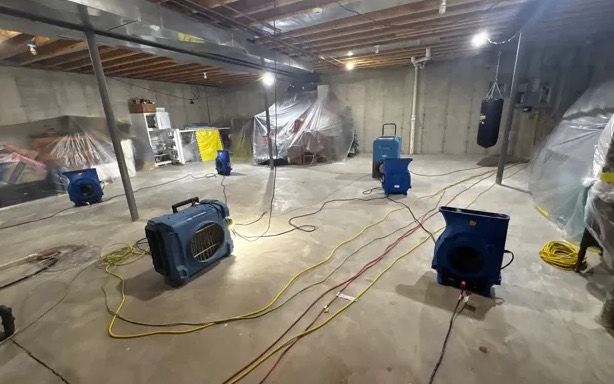
Equipment stays until the basement reads dry, not just until it looks dry. Removing it early lets dampness return.
Emergency Basement Flooding
Help is available any hour when water is rising in the basement from a storm, a sewer backup or a burst pipe.
Basement Moisture Inspection
An inspection shows how high water wicked up the walls and how far it spread under flooring, which sets the drying plan.
Basement Water Pump Out
Pumping starts once power to the basement is safe. Deep water goes first, then extractors handle the thin layer left on the floor.
Warning Signs You Need Basement Water Removal
Soggy or Wet Carpeting
Carpet that feels damp or smells sour is holding water in the pad against the concrete.
Rusted Appliances or Furniture
Rust on appliance bases, furniture legs or metal shelving points to standing water or long-term dampness.
Wet or Damp Basement Walls
Basement walls that look dark, feel damp or show tide lines are taking on or holding water.
Water Stains on Walls or Ceiling
Stains on lower walls or the ceiling below a bathroom or kitchen point to a leak.
How Basement Water Removal Works in Grafton
Step 1: First Call and Initial Assessment
The source, the type of water and the depth are checked, and the water level is photographed.
Step 2: Bulk Water and Contaminant Removal
Pumps remove standing water, and carpet, pad or drywall touched by dirty water is removed.
Step 3: Drying With Monitoring
Dehumidifiers and air movers run around the clock, with readings logged every day on walls and slab.
Step 4: Post-Drying Evaluation and Documentation
Final readings and photos are compiled to show the basement is dry and what was removed.
Common Causes of Basement Water Damage in Grafton
Foundation Cracks and Seepage
Cracks in foundation walls and the slab let groundwater seep in during wet weather.
Sewer Line Backups and Blockages
A blocked sewer line can push wastewater up through basement floor drains and toilets.
Improper Landscape Grading
Soil that slopes toward the house directs rainwater straight to the basement walls.
Clogged or Damaged Gutters
Clogged gutters and short downspouts dump roof water right next to the foundation.
Basement Water Removal for Homes and Businesses
Residential Basement Water Removal
Older homes with a basement may see seepage with every heavy storm. Water removal handles the current damage, and the entry point is noted for a waterproofing contractor.
Commercial Basement Water Removal
Multi-unit buildings with shared basements need each storage and laundry area pumped, dried and documented for the property manager.
Basement Water Removal vs. DIY: When to Call the Pros
Water that came up through a floor drain may be sewage. Avoid touching it, keep children and pets away and call local basement drying experts for cleanup with protective gear and disinfection.
What Influences the Price of Basement Water Removal
The pros look at water depth, water type and basement finishes before pricing basement water removal in Grafton, then explain the scope.
Additional Services
Antimicrobial treatment, contents cleaning and repairs after drying add to the cost.
Drying Time Required
Basements dry slowly, and each extra day of equipment adds to the total.
Basement Square Footage
Larger basements need more extraction, more drying equipment and more days of drying.
Does Insurance Cover Basement Water Removal?
Ask your adjuster early how your policy treats seepage and sewer backups, since many policies limit or exclude both kinds of water.
Benefits of Hiring Local Pros for Basement Water Removal in Grafton
Advanced Drying Equipment
Pumps, extractors and large dehumidifiers remove water much faster than household tools.
Clear Communication
You get plain updates on what was found, what was removed and how drying is going.
Methodical Water Removal Process
Water is removed in a set order: pump-out, extraction, removal of soaked materials, then drying.
Round-the-Clock Basement Water Removal for Grafton
Water still rising in the basement? Call (216) 238-6265 now for basement water removal in Grafton before the water reaches finished rooms and stored belongings.
Call Now (216) 238-6265Local Basement Water Removal Coverage for Lagrange, North Eaton and Elyria
Need basement water removal outside Grafton? Service also covers Lagrange, North Eaton and Elyria, including emergency help during storms.
- Basement Water Removal in Lagrange
- Basement Water Removal in North Eaton
- Basement Water Removal in Elyria
- Basement Water Removal in North Ridgeville
- Basement Water Removal in Oberlin
- Basement Water Removal in Columbia Station
- Basement Water Removal in Olmsted Falls
- Basement Water Removal in Sheffield
- Emergency Damage Restoration in 44044
- Storm Damage Restoration in 44044
- Water Damage Restoration in 44044
- Water Extraction Service in 44044
- Water Leak Detection in 44044
- Water Removal Service in 44044
Answers to Top Basement Water Removal Queries
What is the difference between a pump out and extraction?
A pump out removes deep standing water. Extraction pulls the remaining water from carpet, pad and floors.
Is a sump pump failure an emergency?
Yes, especially during rain. Groundwater can rise quickly once the pump stops, flooding the floor and finished rooms.
What should I do right after basement flooding?
Make power safe, avoid sewage, move belongings above the water, take photos and call for water removal.
Why is basement dehumidification important after pumping?
Walls and concrete keep releasing moisture for days. Dehumidifiers remove it so the basement does not stay damp.
What causes basement floor water damage?
Storm seepage, burst pipes, appliance leaks, foundation cracks and sewer backups through floor drains are the usual sources.