Olmsted Falls, OH · Cuyahoga County
Basement Water Removal in Olmsted Falls, OHBasement Drying Services & Emergency Basement Flooding
Basement Water Removal in Olmsted Falls covers basement water pump out, basement wall drying and basement dehumidification after a flood.
Answered 24/7
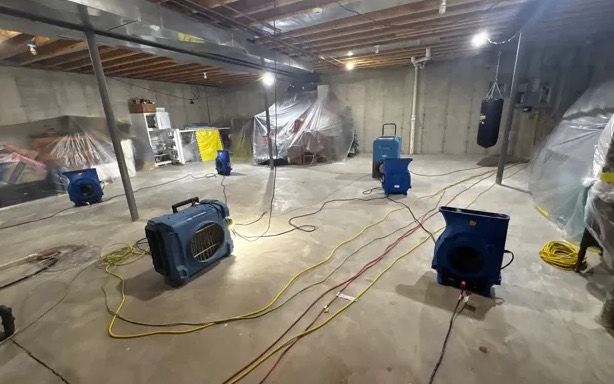
Professional Basement Water Removal in Olmsted Falls, OH
In Olmsted Falls, a burst pipe or heavy rain can let water rise fast in a basement. The water usually spreads from the low point across the whole floor and into finished rooms.
A single storm or burst pipe in Olmsted Falls can flood a basement. Local water extraction experts serve Olmsted Falls and nearby North Olmsted, Middleburg Heights and Westlake, with help available around the clock.
The Basement Water Removal Process in Olmsted Falls
Basement Drying Services
Equipment stays until the basement reads dry, not just until it looks dry. Removing it early lets dampness return.
Emergency Basement Flooding
A flooded basement threatens the furnace, water heater and anything stored on the floor. Fast pumping protects what can still be saved.
Sump Pump Failure Water Cleanup
When a sump pump stops, groundwater spreads across the floor. The water is pumped out and the floor and lower walls are extracted.
Basement Floor Water Damage
Water on a basement floor soaks into carpet pad, laminate seams and the concrete itself. Floor coverings are lifted where needed so the slab can dry.
Basement Wall Drying
Opening the bottom of finished walls lets air reach the studs and sill plate, which otherwise stay wet behind the drywall.
Signs of Basement Water Damage in Olmsted Falls
Soggy or Wet Carpeting
Carpet that feels damp or smells sour is holding water in the pad against the concrete.
Water Stains on Walls or Ceiling
Stains on lower walls or the ceiling below a bathroom or kitchen point to a leak.
Musty Odors and Mold Smell
A musty or damp smell in the basement points to wet materials hidden somewhere in the space.
Sump Pump Failure or Overflow
A sump pit that is full, overflowing or has a pump that will not start means water is about to spread.
How Basement Water Removal Works in Olmsted Falls
Step 1: Emergency Water Extraction
Power is made safe, then pumps and extractors remove standing water from the basement floor.
Step 2: Detailed Moisture Inspection
Meters map wet walls, framing and slab areas, including behind finished walls and under flooring.
Step 3: Drying and Dehumidification
Air movers and large dehumidifiers run continuously, with readings checked every day.
Step 4: Final Verification and Monitoring
Readings are compared to dry areas, and equipment is removed only when the basement tests dry.
What Causes Water Damage in Basements
Foundation Cracks and Seepage
Cracks in foundation walls and the slab let groundwater seep in during wet weather.
Appliance Malfunctions and Overflows
Washers, utility sinks and water softeners in the basement can overflow or leak.
Improper Landscape Grading
Soil that slopes toward the house directs rainwater straight to the basement walls.
Clogged or Damaged Gutters
Clogged gutters and short downspouts dump roof water right next to the foundation.
Professional Basement Water Removal for All Properties
Residential Basement Water Removal
Finished basements used as bedrooms or family rooms need careful moisture checks behind walls and under flooring, since that is where water hides.
Commercial Basement Water Removal
Businesses with below-grade storage need wet inventory moved out and documented. Drying is planned around daily operations wherever possible.
When to Hire Local Pros for Basement Water Removal
Water that came up through a floor drain may be sewage. Avoid touching it, keep children and pets away and call local water extraction experts for cleanup with protective gear and disinfection.
What Influences the Price of Basement Water Removal
In Olmsted Falls, the drying phase usually costs more than the pumping, because basements need equipment running for several days.
Contamination Level
Sewage or dirty water needs protective gear, removal and disinfection, which costs more.
Water Depth and Volume
Deeper water takes more pumping time and usually means more materials got wet.
Access and Complexity
Narrow stairs, low ceilings and crowded storage areas make the work slower and longer.
Does Insurance Cover Basement Water Removal?
Flooding from outside water usually needs separate flood insurance. Water from a broken pipe or appliance inside is more often covered.
The Value of Professional Basement Water Removal
Post-Service Moisture Verification
Final readings are recorded before equipment leaves, so you know the basement is dry.
Advanced Drying Equipment
Pumps, extractors and large dehumidifiers remove water much faster than household tools.
Contamination Safety Protocols
Sewage and dirty water are handled with protective gear, containment and disinfection.
Emergency Basement Water Removal Available 24/7
Storm night, weekend or holiday, the experts handle basement water in Olmsted Falls. Call (216) 238-6265 to get pumps running and drying started.
Call Now (216) 238-6265Communities Served for Basement Water Removal
Need basement water removal outside Olmsted Falls? Service also covers North Olmsted, Middleburg Heights and Westlake, including emergency help during storms.
- Basement Water Removal in North Olmsted
- Basement Water Removal in Middleburg Heights
- Basement Water Removal in Westlake
- Basement Water Removal in Brook Park
- Basement Water Removal in Strongsville
- Basement Water Removal in Columbia Station
- Basement Water Removal in North Eaton
- Basement Water Removal in North Ridgeville
- Emergency Damage Restoration in 44138
- Storm Damage Restoration in 44138
- Water Damage Restoration in 44138
- Water Extraction Service in 44138
- Water Leak Detection in 44138
- Water Removal Service in 44138
Common Basement Water Removal Questions Answered
Why is fast water removal so important for basements?
Basements dry slowly, so every hour of standing water adds drying days and more materials to replace.
What happens during basement moisture control?
Dehumidifiers and air movers keep humidity low while materials dry, and readings confirm when the space is normal.
What is involved in basement water removal?
Making power safe, pumping out standing water, extracting floors and carpet, removing soaked materials and dehumidifying until dry.
What is the difference between a pump out and extraction?
A pump out removes deep standing water. Extraction pulls the remaining water from carpet, pad and floors.
Can wet drywall in a basement be saved?
Sometimes, if the water was clean and removed quickly. Soaked or contaminated drywall is cut out above the water line.