Mayfield Heights, OH · Cuyahoga County
Basement Water Removal in Mayfield Heights, OHSump Pump Failure Water Cleanup & Basement Dehumidification
Basement Water Removal in Mayfield Heights runs from basement water pump out and basement drying services to basement dehumidification.
Answered 24/7
Expert Basement Water Removal in Mayfield Heights, Lyndhurst, Mayfield and Highland Heights
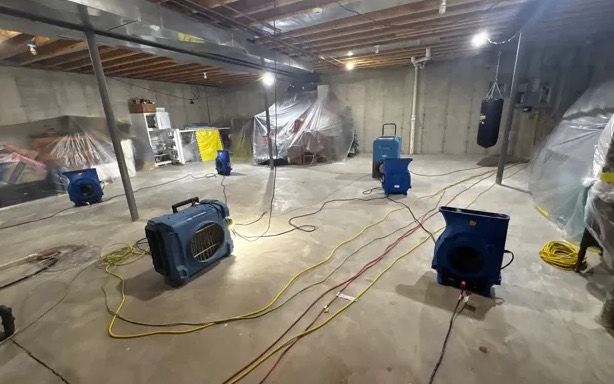
Dehumidification is the slow but necessary part of basement water removal in Mayfield Heights. Pumps remove standing water quickly, but walls and concrete keep releasing moisture for days.
Homeowners in Mayfield Heights can call (216) 238-6265 day or night when the basement is taking on water. Service also covers Lyndhurst, Mayfield and Highland Heights, with the same pumping and drying steps.
Comprehensive Basement Water Removal Solutions
Sump Pump Failure Water Cleanup
Cleanup after a sump failure includes drying the area around the pit and noting whether the pump, switch or power was the cause.
Basement Dehumidification
After drying, a household dehumidifier may still be needed to keep basement humidity in a healthy range.
Basement Floor Water Damage
Flooring that buckled or swelled is removed. Tile and sealed concrete can often be cleaned and dried in place.
Basement Water Pump Out
A pump-out removes standing water from the basement with submersible pumps, discharging it outside and away from the foundation.
Basement Wall Drying
Concrete and block walls dry with directed airflow and dehumidification, which pull water out of the masonry.
When to Call for Basement Water Removal in Mayfield Heights
High Humidity and Condensation
Water on pipes and windows, or a constantly clammy feel, means basement humidity is too high.
Musty Odors and Mold Smell
A musty or damp smell in the basement points to wet materials hidden somewhere in the space.
Efflorescence on Concrete Walls
White, powdery deposits on concrete walls mean water is passing through the masonry.
Rusted Appliances or Furniture
Rust on appliance bases, furniture legs or metal shelving points to standing water or long-term dampness.
How Basement Water Removal Works in Mayfield Heights
Step 1: Emergency Water Extraction
Power is made safe, then pumps and extractors remove standing water from the basement floor.
Step 2: Detailed Moisture Inspection
Meters map wet walls, framing and slab areas, including behind finished walls and under flooring.
Step 3: Drying and Dehumidification
Air movers and large dehumidifiers run continuously, with readings checked every day.
Step 4: Final Verification and Monitoring
Readings are compared to dry areas, and equipment is removed only when the basement tests dry.
Why Basements Flood in Mayfield Heights
Window Well Leaks and Drainage
Window wells without drains or covers fill with rain and leak through the windows.
Improper Landscape Grading
Soil that slopes toward the house directs rainwater straight to the basement walls.
Sewer Line Backups and Blockages
A blocked sewer line can push wastewater up through basement floor drains and toilets.
Plumbing Leaks or Pipe Bursts
Supply lines, drain pipes and water heaters in the basement can leak or burst onto the floor.
House and Business Basement Water Removal in Mayfield Heights
Residential Basement Water Removal
Finished basements used as bedrooms or family rooms need careful moisture checks behind walls and under flooring, since that is where water hides.
Commercial Basement Water Removal
Businesses with below-grade storage need wet inventory moved out and documented. Drying is planned around daily operations wherever possible.
Professional Basement Water Removal Versus Do-It-Yourself
A small puddle on bare concrete can be handled with a wet vac, towels and a dehumidifier. Call local water extraction experts if water reached carpet, drywall or framing, or covers much of the floor.
Investing in Professional Basement Water Removal
The pros look at water depth, water type and basement finishes before pricing basement water removal in Mayfield Heights, then explain the scope.
Basement Square Footage
Larger basements need more extraction, more drying equipment and more days of drying.
Affected Materials
Finished walls, carpet and laminate take more removal work than bare concrete.
Drying Time Required
Basements dry slowly, and each extra day of equipment adds to the total.
Does Insurance Cover Basement Water Removal?
Coverage for basement water removal depends on the water source and your policy. The pros document the damage and drying, and your insurer decides what is covered.
Advantages of Local Basement Water Removal Experts
Focus on Drying Outcomes
Drying continues until readings are normal, not just until surfaces look dry.
Contamination Safety Protocols
Sewage and dirty water are handled with protective gear, containment and disinfection.
Clear Communication
You get plain updates on what was found, what was removed and how drying is going.
24/7 Emergency Basement Water Removal in Mayfield Heights
Basement taking on water in Mayfield Heights? Make power safe if you can, move what you can and call (216) 238-6265. Help is available 24/7.
Call Now (216) 238-6265Basement Water Removal Near Mayfield Heights: Areas Served
Need basement water removal outside Mayfield Heights? Service also covers Lyndhurst, Mayfield and Highland Heights, including emergency help during storms.
- Basement Water Removal in Lyndhurst
- Basement Water Removal in Mayfield
- Basement Water Removal in Highland Heights
- Basement Water Removal in Pepper Pike
- Basement Water Removal in South Euclid
- Basement Water Removal in Beachwood
- Basement Water Removal in Woodmere
- Basement Water Removal in Shaker Heights
- Emergency Damage Restoration in 44124
- Storm Damage Restoration in 44124
- Water Damage Restoration in 44124
- Water Extraction Service in 44124
- Water Leak Detection in 44124
- Water Removal Service in 44124
Answers to Top Basement Water Removal Queries
Why is fast water removal so important for basements?
Basements dry slowly, so every hour of standing water adds drying days and more materials to replace.
What causes basement floor water damage?
Storm seepage, burst pipes, appliance leaks, foundation cracks and sewer backups through floor drains are the usual sources.
What should I do right after basement flooding?
Make power safe, avoid sewage, move belongings above the water, take photos and call for water removal.
Why is basement dehumidification important after pumping?
Walls and concrete keep releasing moisture for days. Dehumidifiers remove it so the basement does not stay damp.
What is emergency basement flooding response?
Help any hour to make power safe, stop the source, pump out water and start drying before more damage sets in.