Moreland Hills, OH · Cuyahoga County
Basement Water Removal in Moreland Hills, OHBasement Moisture Inspection & Basement Dehumidification
Basement Water Removal in Moreland Hills runs from basement water pump out and basement drying services to basement dehumidification.
Answered 24/7
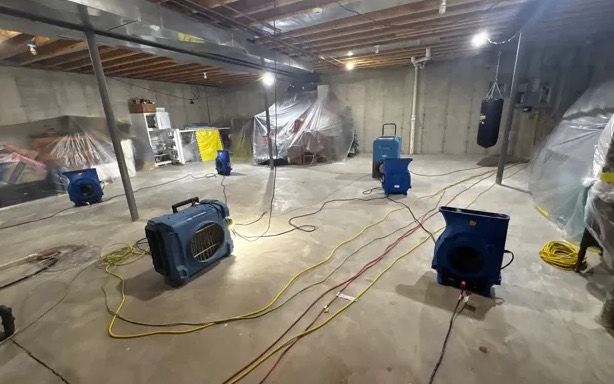
Professional Basement Water Removal in Moreland Hills, OH
In Moreland Hills homes with a basement or below-grade room, water usually comes from storms, sewer backups or plumbing leaks overhead. The source decides how the water is handled and what can be saved.
A single storm or burst pipe in Moreland Hills can flood a basement. Local water damage pros serve Moreland Hills and nearby Orange, Pepper Pike and Woodmere, with help available around the clock.
Professional Basement Water Removal Offerings
Basement Moisture Inspection
Readings are recorded at each visit, giving you and your insurer a clear record of the drying.
Basement Dehumidification
After drying, a household dehumidifier may still be needed to keep basement humidity in a healthy range.
Basement Drying Services
After pumping, air movers and dehumidifiers dry the walls, framing and slab. Readings are taken daily until every surface is back to normal.
Sump Pump Failure Water Cleanup
Cleanup after a sump failure includes drying the area around the pit and noting whether the pump, switch or power was the cause.
Basement Floor Water Damage
Concrete floors are squeegeed, extracted and dried with airflow and dehumidifiers until moisture readings drop.
Warning Signs You Need Basement Water Removal
Soggy or Wet Carpeting
Carpet that feels damp or smells sour is holding water in the pad against the concrete.
Standing Water in Basement
Standing water anywhere on the basement floor needs to be pumped out before it soaks the walls.
High Humidity and Condensation
Water on pipes and windows, or a constantly clammy feel, means basement humidity is too high.
Wet or Damp Basement Walls
Basement walls that look dark, feel damp or show tide lines are taking on or holding water.
How Basement Water Removal Works in Moreland Hills
Step 1: First Call and Initial Assessment
The source, the type of water and the depth are checked, and the water level is photographed.
Step 2: Bulk Water and Contaminant Removal
Pumps remove standing water, and carpet, pad or drywall touched by dirty water is removed.
Step 3: Drying With Monitoring
Dehumidifiers and air movers run around the clock, with readings logged every day on walls and slab.
Step 4: Post-Drying Evaluation and Documentation
Final readings and photos are compiled to show the basement is dry and what was removed.
Common Causes of Basement Water Damage in Moreland Hills
Heavy Rainfall and Storm Flooding
Heavy rain saturates the soil and pushes water through walls, cracks and the floor joint.
Window Well Leaks and Drainage
Window wells without drains or covers fill with rain and leak through the windows.
Sewer Line Backups and Blockages
A blocked sewer line can push wastewater up through basement floor drains and toilets.
Foundation Cracks and Seepage
Cracks in foundation walls and the slab let groundwater seep in during wet weather.
Residential and Commercial Basement Water Removal in Moreland Hills
Residential Basement Water Removal
Finished basements used as bedrooms or family rooms need careful moisture checks behind walls and under flooring, since that is where water hides.
Commercial Basement Water Removal
Businesses with below-grade storage need wet inventory moved out and documented. Drying is planned around daily operations wherever possible.
The Risks of DIY Basement Water Removal
A small puddle on bare concrete can be handled with a wet vac, towels and a dehumidifier. Call local water damage pros if water reached carpet, drywall or framing, or covers much of the floor.
Investing in Professional Basement Water Removal
A basement pumped out the same day in Moreland Hills usually needs less drywall and flooring replaced than one left wet for days.
Basement Square Footage
Larger basements need more extraction, more drying equipment and more days of drying.
Affected Materials
Finished walls, carpet and laminate take more removal work than bare concrete.
Drying Time Required
Basements dry slowly, and each extra day of equipment adds to the total.
Does Insurance Cover Basement Water Removal?
Photograph the water level, damaged belongings and appliances before cleanup, and keep receipts for emergency pumping and drying equipment for your adjuster.
Why Choose Local Pros for Basement Water Removal in Moreland Hills
Clear Communication
You get plain updates on what was found, what was removed and how drying is going.
Industry Drying Standards
Water removal and drying follow industry water damage standards, with readings at every visit.
24/7 Emergency Response
Help is available day or night when water is rising in the basement.
24/7 Basement Water Removal When You Need It
Storm night, weekend or holiday, the pros handle basement water in Moreland Hills. Call (216) 238-6265 to get pumps running and drying started.
Call Now (216) 238-6265Basement Water Removal Serving Moreland Hills and Surroundings
Besides Moreland Hills, the pros handle basement pump-outs, wall drying and dehumidification in nearby Orange, Pepper Pike and Woodmere.
- Basement Water Removal in Orange
- Basement Water Removal in Pepper Pike
- Basement Water Removal in Woodmere
- Basement Water Removal in Solon
- Basement Water Removal in Beachwood
- Basement Water Removal in Mayfield Heights
- Basement Water Removal in Warrensville Heights
- Basement Water Removal in Lyndhurst
- Emergency Damage Restoration in 44022
- Storm Damage Restoration in 44022
- Water Damage Restoration in 44022
- Water Extraction Service in 44022
- Water Leak Detection in 44022
- Water Removal Service in 44022
Frequently Asked Basement Water Removal Questions
Is a sump pump failure an emergency?
Yes, especially during rain. Groundwater can rise quickly once the pump stops, flooding the floor and finished rooms.
What equipment is used for basement water extraction?
Submersible pumps, extractors, wet vacs, air movers, large dehumidifiers and moisture meters to confirm drying.
Does basement flood cleanup include mold prevention?
Fast drying is the main prevention. Wood and concrete that stayed wet can be treated with an antimicrobial once dry.
How does a basement moisture inspection work?
Moisture meters and thermal cameras check walls, floors and the slab, including behind finished walls and under flooring.
How is contaminated water handled in a basement?
With protective gear, containment, removal of porous materials and disinfection of hard surfaces before drying.