Aurora, OH · Portage County
Septic Tank Backup Water Removal in Aurora, OHSeptic Backup Odor Removal & Septic Overflow Decontamination
Septic Tank Backup Water Removal in Aurora requires immediate septic tank backup water extraction, septic backup sewage cleanup, and septic system water damage repair by local septic overflow cleanup specialists.
Answered 24/7
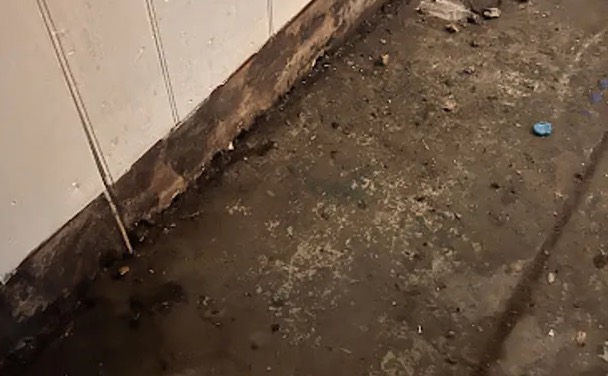
Professional Septic Tank Backup Water Removal in Aurora, OH
Septic tank backup water removal in Aurora is essential because untreated sewage overflow can rapidly compromise a home's structural integrity and air quality. Contaminated water seeps into materials, requiring extraction to limit damage.
Septic backup water extraction in Aurora and the broader region, including places like Twinsburg, Streetsboro and Solon, demands expertise in both water damage and biohazard cleanup. The pros are equipped with pumps and sanitizing agents to manage sewage backup removal safely.
Key Septic Tank Backup Water Removal Procedures in Aurora
Septic Backup Odor Removal
The pros tackle septic backup odors by treating affected structural materials and deodorizing the air. Effective odor removal is a key final step before reconstruction can be considered complete.
Septic Overflow Decontamination
The decontamination process applies specialized agents to kill bacteria and viruses left by the sewage spill. The specialists treat every surface the sewage touched.
Septic Tank Backup Water Extraction
The water extraction for a septic tank backup in Aurora uses truck-mounted pumps to remove the contaminated water.
Septic Backup Sewage Cleanup
The specialists clean up the sewage and treat every surface it touched to reduce health risks.
Septic Tank Drain Backup Cleanup
The specialists use equipment designed to handle the challenging nature of this contaminated water. This specialized cleanup addresses the solids and organic waste that have backed up into drains.
Warning Signs You Need Septic Tank Backup Water Removal
Gurgling Sounds From Plumbing Vents
Bubbling or gurgling noises from roof vents or inside drains often precede visible septic tank flooding. Air is trapped by a blockage in the line.
Overflow From Septic Tank Lid Area
Visible effluent or wet soil around the septic tank access lid is a clear sign the tank is full and septic system water removal is required.
Sewage Visible in Cleanout Pipe
If you check the main sewer cleanout and find standing wastewater, your septic system overflow water removal must be addressed by the specialists.
Drains Back Up After Heavy Rain
Drains that back up after storms often mean the drain field is saturated and the tank cannot drain.
How Septic Tank Backup Water Removal Works in Aurora
Step 1: Septic Backup Inspection
Pros inspect the affected area first to plan how the sewage will be removed.
Step 2: Flood Water Extraction
Heavy-duty extractors pull the contaminated water out of floors, drains and carpet.
Step 3: Decontamination and Odor Control
The space is decontaminated and deodorized to remove bacteria and lingering odors.
Step 4: Structural Drying and Restoration
Affected materials are dried and readings confirm the area is dry before repairs begin.
Frequent Sources of Septic System Water Damage
Broken or Misaligned Sewer Pipes
Settling soil, age or pressure can break the main line from the house to the tank.
Excessive Water Usage Overloading System
Too much water entering the tank at once can overwhelm it and send sewage back into the home.
Improper Tank or System Design
A tank or drain field that is too small for the household leads to repeated backups.
Full or Failing Septic Tank
A tank at capacity cannot accept new wastewater, causing immediate backups into your home. Regular pumping prevents this common septic tank backup cause.
All-Property Septic Tank Backup Water Removal in Aurora
Residential Septic Tank Backup Water Removal
A septic backup in a home needs urgent cleanup to protect the household's health. Pros remove the waste, then sanitize all surfaces with hospital-grade disinfectants.
Commercial Septic Tank Backup Water Removal
Industrial facilities with septic issues face complex challenges with machinery and large-scale flooring. The experts utilize truck-mounted pumps and industrial air movers to manage large volumes and restore the workspace to operational condition.
Why Septic Tank Backup Water Removal Requires Professional Septic Overflow Cleanup Specialists
If you suspect a minor slow drain, you can try a plunger on a single fixture. Avoid chemical drain cleaners, as they can damage pipes and septic tank bacteria.
Cost Considerations for Septic Tank Backup Water Removal in Aurora
In Aurora, the cost of septic backup water removal depends on how much sewage came in, how many rooms it reached and whether the work is after hours.
Affected Materials
Porous materials like drywall or flooring that absorb septic water may require removal and disposal, adding to the project's scope and expense.
Damage Documentation
Detailed septic water damage documentation for insurance purposes involves time for photos, moisture mapping, and report preparation by the specialists.
Emergency Response Timing
A septic backup emergency service call during nights, weekends, or holidays may involve different service rates due to after-hours mobilization required.
Does Insurance Cover Septic Tank Backup Water Removal?
Homeowners insurance may cover septic tank backup water removal if the backup is caused by a sudden, accidental event listed in your policy. Coverage decisions belong solely to your insurer, so you should confirm your specifics.
Why Choose Local Specialists for Septic Tank Backup Water Removal in Aurora
Advanced Water Extraction
Powerful pumps and truck-mounted units are used for rapid septic tank water extraction, removing the bulk of the contaminated liquid quickly.
Comprehensive Sewage Cleanup
Every surface touched by septic backup receives a thorough cleaning with EPA-registered agents to eliminate contamination risks.
Thorough Drain Backup Cleanup
The process addresses the septic tank drain backup completely, cleaning the affected plumbing fixtures and surrounding areas.
Round-the-Clock Septic Tank Backup Water Removal in Aurora
A septic line backup needs professional help. For help from septic cleanup pros in your area, call (216) 238-6265 and describe what happened.
Call Now (216) 238-6265Septic Tank Backup Water Removal Available Around Aurora
In Aurora, homes can get septic backup water removal from the specialists, who also help homeowners in nearby areas like Twinsburg, Streetsboro and Solon.
- Septic Tank Backup Water Removal in Twinsburg
- Septic Tank Backup Water Removal in Streetsboro
- Septic Tank Backup Water Removal in Solon
- Septic Tank Backup Water Removal in Hudson
- Septic Tank Backup Water Removal in Macedonia
- Septic Tank Backup Water Removal in Moreland Hills
- Septic Tank Backup Water Removal in Northfield
- Septic Tank Backup Water Removal in Bedford Heights
- Emergency Damage Restoration in 44202
- Storm Damage Restoration in 44202
- Water Damage Restoration in 44202
- Water Extraction Service in 44202
- Water Leak Detection in 44202
- Water Removal Service in 44202
Septic Tank Backup Water Removal FAQs
How long does septic tank overflow cleanup take?
The timeline varies with the severity. Simple extraction and cleaning may take a day, while jobs involving structural repairs and detailed decontamination can span several days.
Why is septic water damage documentation important?
Photos and moisture readings create a record for your insurance claim that shows the extent of the loss.
What happens during septic tank water extraction?
Powerful submersible pumps and truck-mounted extractors are used to remove the bulk of the contaminated liquid from the property, which is the first critical step in the restoration process.
What equipment is used for septic backup odor removal?
Air scrubbers with HEPA filters, ozone generators, thermal foggers, or hydroxyl machines are employed to neutralize odor-causing compounds in the air and within porous materials.
What areas need septic line backup water removal?
Any area where sewage has surfaced, usually bathrooms, basements or utility rooms near drain lines.